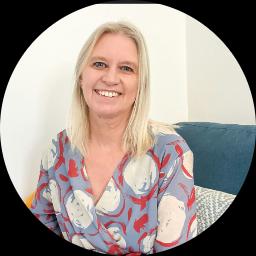
Paula Green
Support for families, trauma, and stress
- Credentials
- LCPC, LPCC
- Experience
- 20 years
- Licensed in
- Idaho, New Mexico
- Languages
- English
- Format
- Online sessions
About Paula
Paula Green is a licensed counselor with two decades of experience supporting people through stress, anxiety, family struggles, trauma and abuse, depression, and big life changes. She works with children, teens, adults, and families, and aims to help them feel and function better. Paula brings a calm, practical style and focuses on clear steps that people can use between sessions.
She has worked in clinic and independent practice settings and has a long history supporting survivors of domestic violence and sexual assault, including work in a shelter and with domestic violence courts.
Background and approach
Paula also spent eight years at St. Luke's Center for Neurobehavioral Medicine offering outpatient care and contributing to an intensive partial hospitalization program for children and families. Paula uses a few different therapy methods to match each person’s needs.
She draws on Client-Centered Therapy to build a trusting relationship, Cognitive Behavioral Therapy to address unhelpful thoughts and behaviors, and EMDR when trauma processing is needed. She also uses mindfulness and skills from Dialectical Behavior Therapy to help with strong emotions and coping.
She holds credentials as an LCPC - Licensed Clinical Professional Counselor (ID LCPC LCPC-4139) and an LPCC - Licensed Professional Clinical Counselor (NM LPCC CTB-2024-0367). Sessions are offered in English and Paula accepts international clients. Paula aims to tailor treatment to each person or family.
She asks questions, listens closely, and works together with clients to set clear, achievable goals. Her approach emphasizes practical tools and steady support as families make changes.
Remote approaches that match family and trauma needs
Paula often uses Cognitive Behavioral Therapy to help people notice and change thoughts and behaviors that keep stress and anxiety going. CBT is practical and usually focuses on specific problems and steps to try at home. She also uses Eye Movement Desensitization and Reprocessing, or EMDR, when trauma memories are causing strong symptoms; EMDR helps process traumatic memories so they become less upsetting.Choosing the right approach is part of the work. Paula will talk with each person or family about goals, symptoms, and preferences. Together they decide which methods to try first and adjust the plan as needed in follow-up sessions.
Online therapy options include video calls, phone sessions, live chat, and text-based messaging. These formats give flexibility for busy families, allow work with clients who live far away, and make it easier to fit sessions into school and work schedules. Therapists can teach skills, guide breathing and mindfulness exercises, review homework, and process difficult moments using these remote formats.
Client-Centered Therapy
The direction comes from you rather than from a set programme. The therapist offers a warm, non-judgemental space to think out loud and work at your own pace. Online, this rests on the relationship rather than on being in the same room.
Cognitive Behavioral Therapy (CBT)
CBT looks at the link between what you think, how you feel, and what you do. You work on noticing unhelpful patterns and practising steadier responses. It suits online sessions well, because much of the work happens between appointments and can be talked through from anywhere.
Dialectical Behavior Therapy (DBT)
Concrete skills for riding out strong emotion, tolerating distress, and handling relationships without things escalating. The skills are practised in daily life, so between-session support by message or phone fits naturally.
Frequently asked questions
What concerns does Paula address?
How would you describe her therapy style?
What professional background does she bring?
What credentials and location are listed?
Which languages and international options are available?
In what formats can sessions take place?
How are fees and payment handled?
What is the first step to begin working together?
Specialties and expertise
Top specialties
- Stress, Anxiety
- Family conflicts
- Trauma and abuse
Also works with
- Adoption and foster care
- Autism and Asperger Syndrome
- Blended family issues
- Body image
- Caregiver issues and stress
- Communication problems
- Coping with life changes
- Depression
- Disruptive Mood Dysregulation Disorder (DMDD)
- Dissociation
- Domestic violence
- Family of origin issues
- Family problems
- Forgiveness
- Guilt and shame
- Impulsivity
- Isolation / loneliness
- Jealousy
- Life purpose
- Midlife crisis
- Mood disorders
- Obsessions, compulsions, and OCD
- Panic disorder and panic attacks
- Personality disorders
- Post-traumatic stress
- Seasonal Affective Disorder (SAD)
- Self-harm
- Sexual assault and abuse
- Sexuality
- Social anxiety and phobia
- Somatization
- Trichotillomania
- Women's issues
- Workplace issues
- Young adult issues
Therapeutic approaches
- Experience
- 20 years
- Licensed
- Idaho, New Mexico
- Languages
- English
Next step
Talk to Paula
- Takes a few minutes
- Nothing to set up just to look
- Stop at any point