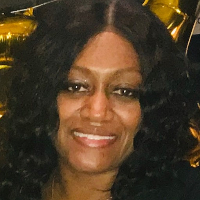
Monica Dada (Barham)
Practical support for family and parenting challenges
- Credentials
- MD, LCSW-C
- Experience
- 20 years
- Licensed in
- Maryland
- Languages
- English
- Format
- Online sessions
About Monica
Monica Dada (Barham) helps people facing family and parenting concerns, stress, anxiety, and relationship problems. She is a licensed social worker with an MD and an LCSW-C (Licensed Certified Social Worker in Maryland). She brings two decades of clinical experience and a calm, practical approach to sessions.
Her sessions focus on clear goals and usable skills. She uses straightforward talk and exercises so parents and caregivers can try new ways of relating at home.
Background and approach
Monica prioritizes listening first, then helps shape plans that fit each person’s real life and schedule. Monica draws on methods such as Cognitive Behavioral Therapy, Acceptance and Commitment Therapy, and Motivational Interviewing. Those tools help with patterns of thinking, values-based choices, and staying motivated through difficult changes.
She also uses client-centered and solution-focused techniques to keep work practical and brief when that suits the client. Her background includes long experience addressing grief, trauma and abuse, addiction, mood disorders, and issues around gender and sexual identity. She also supports people dealing with caregiving stress, chronic illness, body image, and blended family dynamics.
Monica works from Maryland and conducts sessions in English. Therapy with Monica balances empathy and action. She aims to help clients reduce overwhelm, improve communication, and build routines that support parenting and family life.
The first steps are a short matching questionnaire and scheduling a session to discuss priorities and next steps.
Therapeutic approaches that translate well to online care
Acceptance and Commitment Therapy (ACT) focuses on clarifying values and taking small meaningful actions even when strong emotions are present. It is useful for stress, anxiety, and life changes where deciding what matters most can guide next steps. Cognitive Behavioral Therapy (CBT) targets unhelpful thought and behavior patterns by teaching practical tools to test and change them, which helps with anxiety, depression, and coping skills. Motivational Interviewing is a collaborative way to strengthen a person’s own reasons for change and works well for addictions and ambivalence about making shifts.Monica treats finding the right approach as a shared process. She will talk with each person about goals, try methods that match their needs, and adjust as progress or new challenges appear. The plan evolves through collaboration rather than being fixed at the start.
Online formats here include video calls, phone sessions, live chat, and text-based messaging. That mix allows flexible check-ins around parenting schedules and caregiving responsibilities. Video helps preserve face-to-face conversation, while chat and messaging make it easier to get shorter, focused support between sessions. These options aim to make therapy more accessible and easier to fit into a busy family life.
Acceptance and Commitment Therapy (ACT)
Less about arguing with difficult thoughts, more about loosening their grip and acting on what matters to you anyway. Values and committed action carry the work, which suits conversation at a distance.
Client-Centered Therapy
The direction comes from you rather than from a set programme. The therapist offers a warm, non-judgemental space to think out loud and work at your own pace. Online, this rests on the relationship rather than on being in the same room.
Cognitive Behavioral Therapy (CBT)
CBT looks at the link between what you think, how you feel, and what you do. You work on noticing unhelpful patterns and practising steadier responses. It suits online sessions well, because much of the work happens between appointments and can be talked through from anywhere.
Frequently asked questions
What concerns does she address?
How would you describe her therapy style?
What is her professional background?
What credentials and location are listed?
Which languages are available for sessions?
What session formats does she offer?
How are sessions priced?
How do I begin working with her?
Specialties and expertise
Top specialties
- Stress, Anxiety
- Addictions
- Relationship issues
Also works with
- ADHD
- Anger management
- Bipolar disorder
- Blended family issues
- Body image
- Career difficulties
- Caregiver issues and stress
- Chronic pain, illness, and disability
- Co-morbidity
- Codependency
- Communication problems
- Compassion fatigue
- Coping with life changes
- Depression
- Divorce and separation
- Eating and food-related issues
- Eating disorders
- Family conflicts
- Family problems
- Fertility issues
- Forgiveness
- Gender dysphoria
- Grief
- Guilt and shame
- HIV / AIDS
- Hospice and end-of-life counseling
- Immigration issues
- Intimacy-related issues
- Isolation / loneliness
- LGBT
- Life purpose
- Mood disorders
- Obsessions, compulsions, and OCD
- Panic disorder and panic attacks
- Parenting issues
- Postpartum depression
- Prejudice and discrimination
- Seasonal Affective Disorder (SAD)
- Self esteem
- Self-love
- Social anxiety and phobia
- Trauma and abuse
- Traumatic brain injury
- Veteran and Armed Forces Issues
- Workplace issues
Therapeutic approaches
- Experience
- 20 years
- Licensed
- Maryland
- Languages
- English
Next step
Talk to Monica
- Takes a few minutes
- Nothing to set up just to look
- Stop at any point