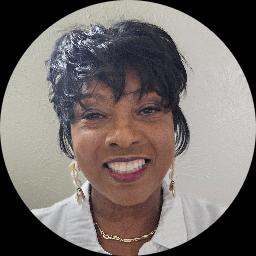
Marsha Edwards
Support for parents and relationships
- Credentials
- LPC
- Experience
- 13 years
- Licensed in
- Texas
- Languages
- English
- Format
- Online sessions
About Marsha
Marsha Edwards is a Licensed Professional Counselor (LPC) based in Texas with 13 years of experience. She brings a background in counseling, teaching, and educational support to her work. Marsha focuses on helping people who are facing anxiety, depression, stress, grief, trauma, relationship and intimacy concerns, and life transitions.
She aims to make therapy straightforward and practical for busy parents and caregivers. Her style is calm and collaborative. Sessions tend to be down-to-earth and goal-oriented.
Background and approach
Marsha listens carefully, helps people name what feels hard, and offers tools to change patterns that cause ongoing frustration. She uses practical strategies that clients can try between sessions. Marsha blends talk therapy with skill-building.
She uses cognitive behavioral techniques to help people notice and shift unhelpful thoughts and behaviors. Mindfulness practices are used to reduce reactivity and improve focus in everyday moments. She also draws on solution-focused ideas to identify small steps that move people toward clearer goals.
Her approach is trauma-informed and person-centered. That means she adapts to each person’s pace and needs while keeping attention on safety and coping. Parents who are juggling schedules, caregiving duties, or blended family changes will find an emphasis on usable strategies and realistic planning.
Marsha supports a wide range of concerns related to family and parenting, relationships, identity, and life purpose. She accepts sessions in English and provides sessions through video calls, phone, live chat, and text messaging.
Therapeutic approaches and how online therapy fits
Client-centered therapy focuses on the person’s experience and priorities. It involves listening closely and building a plan around what matters most to the client, which helps when decisions feel overwhelming or unclear.Cognitive Behavioral Therapy, or CBT, helps identify unhelpful thoughts and habits and replace them with more helpful ones. It is often used for anxiety, depression, and stress by teaching practical skills to change how people think and act.
Mindfulness Therapy teaches simple attention and breathing skills to reduce reactivity and improve focus. It can be useful for managing stress, anger, and triggers from past events.
Finding the right mix of approaches is part of the work. The therapist will talk with each person about needs, goals, and preferences and then try approaches that fit. That makes therapy a collaborative process rather than a one-size-fits-all plan.
Online sessions make it easier to connect despite busy schedules. Video calls give face-to-face time without travel, phone sessions work when screens are impractical, and live chat or text messaging support quick check-ins and ongoing coaching between sessions. These options help people keep continuity of care while fitting therapy into everyday life.
Client-Centered Therapy
The direction comes from you rather than from a set programme. The therapist offers a warm, non-judgemental space to think out loud and work at your own pace. Online, this rests on the relationship rather than on being in the same room.
Cognitive Behavioral Therapy (CBT)
CBT looks at the link between what you think, how you feel, and what you do. You work on noticing unhelpful patterns and practising steadier responses. It suits online sessions well, because much of the work happens between appointments and can be talked through from anywhere.
Mindfulness Therapy
Attention training: noticing thoughts and physical feelings as they arrive without being carried off by them. Much of it is practice you do yourself, so guidance over video or audio works much as it would in person.
Frequently asked questions
What issues does Marsha commonly address?
How would you describe her therapy style?
What is her background and experience?
Where is she licensed and practicing?
Which languages are supported for sessions?
What session formats are available?
How does billing and cost work?
How do I begin working with her?
Specialties and expertise
Top specialties
Also works with
- Aging and geriatric issues
- Anger management
- Attachment issues
- Avoidant personality
- Blended family issues
- Body image
- Caregiver issues and stress
- Coaching
- Communication problems
- Control issues
- Coping with life changes
- Depression
- Disruptive Mood Dysregulation Disorder (DMDD)
- Divorce and separation
- Family conflicts
- Family of origin issues
- Family problems
- Forgiveness
- Guilt and shame
- Intimacy-related issues
- LGBT
- Life purpose
- Money and financial issues
- Mood disorders
- Multicultural concerns
- Personality disorders
- Postpartum depression
- Relationship issues
- Self-love
- Social anxiety and phobia
- Workplace issues
- Young adult issues
Therapeutic approaches
- Experience
- 13 years
- Licensed
- Texas
- Languages
- English
Next step
Talk to Marsha
- Takes a few minutes
- Nothing to set up just to look
- Stop at any point