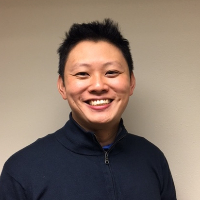
Mark Yeung
Experienced LCSW focused on practical support
- Credentials
- LCSW
- Experience
- 12 years
- Licensed in
- Oregon, Washington, California
- Languages
- English
- Format
- Online sessions
About Mark
Mark Yeung is a Licensed Clinical Social Worker who blends practical skill with a straightforward, caring approach. He uses well-known therapies like Cognitive Behavioral Therapy and Dialectical Behavior Therapy to help people manage stress, anxiety, grief, and life transitions. He also draws on Acceptance and Commitment Therapy and a human-focused, solution-oriented style to guide clients toward clearer choices and everyday tools.
Mark has practiced for 12 years and brings experience working with people facing medical illness, end-of-life concerns, and bereavement.
Background and approach
He earned graduate degrees in social work and public health from the University of California, Berkeley and holds LCSW licenses in Oregon, California, and Washington. His background includes supporting veterans and others with complex medical or emotional needs. In sessions he prioritizes warmth, empathy, and practical next steps.
Conversations focus on what is happening now, what changes are possible, and small skills that make daily life easier. He emphasizes building a strong working relationship and trying approaches together to see what helps. Parents and caregivers looking for guidance around parenting stress, family problems, or caregiver burden will find a direct style aimed at useful strategies.
He also addresses issues such as addiction, relationship concerns, depression, and coping with major life changes. Mark values collaboration and clear communication. He encourages prospective clients to ask questions and to treat the first meetings as a chance to see if the match feels right.
His practice is based in Oregon and sessions are conducted in English.
Therapeutic approaches that translate to online care
Mark uses Cognitive Behavioral Therapy to help people identify unhelpful thoughts and shift behaviors, which can reduce anxiety and depression through practical exercises. He also uses Acceptance and Commitment Therapy to help clients notice painful feelings without getting stuck and to choose actions that match their values. Dialectical Behavior Therapy is another tool he applies for building emotional regulation, distress tolerance, and improved interpersonal skills.Choosing the right approach is a collaborative process. He talks with each person about goals and preferences, tries methods together, and adjusts based on what proves useful. The early sessions focus on figuring out which tools fit the person's life and needs.
Online therapy makes it easier to access consistent care. Video calls allow face-to-face conversation when that is helpful, while phone sessions, live chat, and text messaging offer flexible ways to check in between meetings. These options help fit therapy into busy schedules and support steady progress from home or work.
Acceptance and Commitment Therapy (ACT)
Less about arguing with difficult thoughts, more about loosening their grip and acting on what matters to you anyway. Values and committed action carry the work, which suits conversation at a distance.
Client-Centered Therapy
The direction comes from you rather than from a set programme. The therapist offers a warm, non-judgemental space to think out loud and work at your own pace. Online, this rests on the relationship rather than on being in the same room.
Cognitive Behavioral Therapy (CBT)
CBT looks at the link between what you think, how you feel, and what you do. You work on noticing unhelpful patterns and practising steadier responses. It suits online sessions well, because much of the work happens between appointments and can be talked through from anywhere.
Frequently asked questions
What concerns does Mark commonly address?
What style of therapy does he use?
How long has he been practicing?
Where is he licensed and based?
Which languages are supported for sessions?
What session formats are available?
How does payment and cost work?
What should I do to begin working with him?
Specialties and expertise
Top specialties
- Stress, Anxiety
- Relationship issues
- Grief
Also works with
- Addictions
- ADHD
- Aging and geriatric issues
- Anger management
- Attachment issues
- Bipolar disorder
- Cancer
- Career difficulties
- Caregiver issues and stress
- Chronic pain, illness, and disability
- Coaching
- Codependency
- Communication problems
- Compassion fatigue
- Coping with life changes
- Depression
- Eating disorders
- Family conflicts
- Family of origin issues
- Family problems
- Fatherhood issues
- Guilt and shame
- Hospice and end-of-life counseling
- Immigration issues
- Intimacy-related issues
- LGBT
- Multicultural concerns
- Parenting issues
- Prejudice and discrimination
- Self esteem
- Sleeping disorders
- Trauma and abuse
- Traumatic brain injury
Therapeutic approaches
- Experience
- 12 years
- Licensed
- Oregon, Washington, California
- Languages
- English
Next step
Talk to Mark
- Takes a few minutes
- Nothing to set up just to look
- Stop at any point