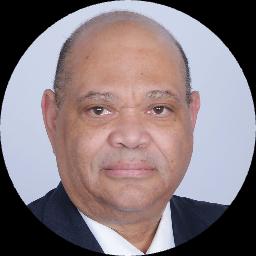
Mark Madry
Compassionate, experienced support for life's hard moments
- Credentials
- LCSW
- Experience
- 47 years
- Licensed in
- New York
- Languages
- English
- Format
- Online sessions
About Mark
Mark Madry is a licensed clinical social worker who focuses on helping people manage stress, anxiety, grief, depression, and life changes. He speaks plainly and listens carefully to understand each person’s situation. He aims to create a respectful, compassionate space where clients can talk through immediate concerns and practical next steps.
With 47 years of experience and his New York LCSW license, Mark adapts sessions to fit what each client needs.
Background and approach
He uses a mix of approaches so conversations are grounded and useful. Sessions include clear goals and straightforward techniques rather than vague theory. Mark blends methods that encourage acceptance, build stronger emotional connections, and help change unhelpful thoughts and behaviors.
He works at a pace set by the client and focuses on skills that can be used between sessions. The work is collaborative and hands-on, not just talk. Clients can expect direct feedback, guided exercises, and support for practical problems such as communication, coping with loss, or managing overwhelming emotions.
His style is calm and steady, with attention to respect and sensitivity. Sessions are offered in English and are available through video calls, phone sessions, live chat, or text-based messaging. Costs vary with location and use a subscription that can be canceled at any time.
To begin, users select the Start Therapy button and complete a short matching questionnaire.
Therapeutic approaches and online care
Acceptance and Commitment Therapy, or ACT, helps people notice painful thoughts and feelings without letting them control actions. It focuses on values and small steps toward a more meaningful life and can help with anxiety, depression, and coping with change.Attachment-Based Therapy looks at how early bonds influence current relationships. It can be useful for people struggling with trust, communication, or recurring relationship patterns by helping identify needs and how to meet them more clearly.
Mark also uses Client-Centered Therapy, which centers the conversation on the client's perspective and emphasizes empathy and respect. This approach helps people feel heard while they work through goals at their own pace.
Finding the right approach is a team effort. The therapist will talk with each person about which methods fit their goals and preferences, and adjust the plan as work progresses. That collaborative process helps tailor tools and steps to the individual situation.
Online therapy offers flexibility through video, phone, live chat, or text-based messaging. These formats make it easier to fit sessions into busy lives, maintain continuity during transitions, and review material exchanged in writing. Licensed professionals can use these options to deliver practical skills, check progress, and keep therapy focused and consistent.
Acceptance and Commitment Therapy (ACT)
Less about arguing with difficult thoughts, more about loosening their grip and acting on what matters to you anyway. Values and committed action carry the work, which suits conversation at a distance.
Attachment-Based Therapy
Looks at how early bonds shaped what you expect from closeness, and how that plays out now with a partner, a parent, or your own children.
Client-Centered Therapy
The direction comes from you rather than from a set programme. The therapist offers a warm, non-judgemental space to think out loud and work at your own pace. Online, this rests on the relationship rather than on being in the same room.
Frequently asked questions
What kinds of concerns does Mark address?
What is his general therapeutic style?
How much experience does he have?
What are his credentials and where is he based?
Which languages are supported for sessions?
What session formats are available?
How is payment handled?
How do I begin a session?
Specialties and expertise
Top specialties
Also works with
- Abandonment
- Addictions
- Aging and geriatric issues
- Anger management
- Antisocial personality
- Attachment issues
- Avoidant personality
- Bipolar disorder
- Blended family issues
- Body image
- Cancer
- Career difficulties
- Caregiver issues and stress
- Coaching
- Commitment issues
- Communication problems
- Compassion fatigue
- Control issues
- Coping with life changes
- Coping with natural or human-caused disaster
- Dependent personality
- Depression
- Divorce and separation
- Domestic violence
- Eating and food-related issues
- Eating disorders
- Emptiness
- Family conflicts
- Family problems
- Fertility issues
- First responder issues
- Forgiveness
- HIV / AIDS
- Hospice and end-of-life counseling
- Impulsivity
- Infidelity
- Intimacy-related issues
- Isolation / loneliness
- Jealousy
- LGBT
- Life purpose
- Men's issues
- Midlife crisis
- Mood disorders
- Multicultural concerns
- Obsessions, compulsions, and OCD
- Panic disorder and panic attacks
- Parenting issues
- Personality disorders
- Polyamory / non-monogamous relationships
- Post-traumatic stress
- Prejudice and discrimination
- Process addiction (porn, exercise, gambling)
- Relationship issues
- Self esteem
- Self-harm
- Self-love
- Sex addiction
- Sexuality
- Social anxiety and phobia
- Traumatic brain injury
- Veteran and Armed Forces Issues
- Workplace issues
Therapeutic approaches
- Experience
- 47 years
- Licensed
- New York
- Languages
- English
Next step
Talk to Mark
- Takes a few minutes
- Nothing to set up just to look
- Stop at any point