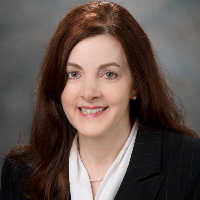
Laura Fletcher
Compassionate practical therapy for life changes
- Credentials
- LPC
- Experience
- 23 years
- Licensed in
- Texas
- Languages
- English
- Format
- Online sessions
About Laura
Laura Fletcher is a Licensed Professional Counselor (LPC) in Texas with 23 years of experience. She invites people who want to make changes in their lives to start a practical process. She thanks visitors for taking the first step and meets them without judgment.
Her approach is collaborative and grounded in what matters most to each person. She uses straightforward strategies to tackle stress, anxiety, depression, grief, and compassion fatigue.
Background and approach
She also addresses relationship and intimacy concerns, parenting questions, addictions, career shifts, and challenges related to chronic illness or caregiving. Her background includes long experience in health care settings where she supported people through medical and life transitions. In sessions she focuses on building on existing strengths and teaching concrete skills.
Techniques may include cognitive behavioral work to change unhelpful patterns and mindfulness to ease overwhelm. She also uses attachment-informed ideas to help people improve how they relate to others. EMDR may be offered when trauma or old painful memories are getting in the way of daily life.
She pairs trauma work with careful pacing and attention to a client's readiness. The emphasis is on small, usable changes rather than talk alone. Practicality and compassion guide the work.
Clients can expect a calm, steady presence and concrete tools to try between sessions. The therapist frames progress as steady effort and learning, not sudden fixes.
How therapeutic approaches and online sessions fit together
Attachment-Based Therapy focuses on how early relationships shape current connections. It helps people notice patterns in closeness and distance, and work on building safer ways to relate. Cognitive Behavioral Therapy, or CBT, looks at thoughts and actions that keep problems going and teaches step-by-step skills to change them. CBT is often useful for anxiety, depression, and stress management. Eye Movement Desensitization and Reprocessing, EMDR, targets upsetting memories that continue to cause distress and can reduce their emotional power when a person is ready to process them.Choosing the right approach is a shared process. The therapist will talk with the client about goals, symptoms, and preferences, then suggest which methods to try first. Plans are adjusted over time so work stays relevant to what the client needs and can handle.
Online therapy offers flexible ways to meet - video calls, phone, live chat, or text messaging - so sessions can fit into busy schedules or long-term care routines. These formats make it easier to keep momentum between appointments and to use tools in day-to-day life. The combination of practical approaches and online options helps people access consistent support that matches their life and needs.
Attachment-Based Therapy
Looks at how early bonds shaped what you expect from closeness, and how that plays out now with a partner, a parent, or your own children.
Client-Centered Therapy
The direction comes from you rather than from a set programme. The therapist offers a warm, non-judgemental space to think out loud and work at your own pace. Online, this rests on the relationship rather than on being in the same room.
Cognitive Behavioral Therapy (CBT)
CBT looks at the link between what you think, how you feel, and what you do. You work on noticing unhelpful patterns and practising steadier responses. It suits online sessions well, because much of the work happens between appointments and can be talked through from anywhere.
Frequently asked questions
What issues does she commonly address?
How would you describe her style in sessions?
What kind of background does she bring to therapy?
What credentials and region are listed for this therapist?
Which languages are used for sessions?
What session formats are available?
How are fees and payment handled?
How do I begin the process?
Specialties and expertise
Top specialties
Also works with
- Addictions
- Aging and geriatric issues
- Attachment issues
- Bipolar disorder
- Cancer
- Career difficulties
- Caregiver issues and stress
- Chronic pain, illness, and disability
- Coaching
- Communication problems
- Compassion fatigue
- Coping with life changes
- Coping with natural or human-caused disaster
- Depression
- Divorce and separation
- Family conflicts
- Family of origin issues
- Family problems
- Fertility issues
- First responder issues
- Forgiveness
- Guilt and shame
- Hospice and end-of-life counseling
- Infidelity
- Intimacy-related issues
- Isolation / loneliness
- LGBT
- Life purpose
- Mood disorders
- Parenting issues
- Post-traumatic stress
- Process addiction (porn, exercise, gambling)
- Relationship issues
- Self esteem
- Sex addiction
- Social anxiety and phobia
- Women's issues
- Workplace issues
- Young adult issues
Therapeutic approaches
- Experience
- 23 years
- Licensed
- Texas
- Languages
- English
Next step
Talk to Laura
- Takes a few minutes
- Nothing to set up just to look
- Stop at any point