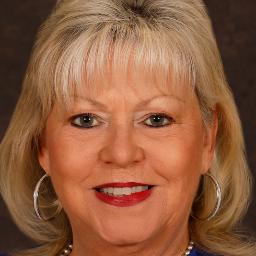
Karen Jurls
Supportive family-focused therapist
- Credentials
- LICSW
- Experience
- 35 years
- Licensed in
- Alabama
- Languages
- English
- Format
- Online sessions
About Karen
Karen Jurls is a licensed independent clinical social worker with 35 years of experience who focuses on family and parenting concerns. She works with people facing stress, anxiety, depression, grief, addiction, and challenges tied to family life. Parents and caregivers often come for help with sleep or eating problems, behavior issues, or coping after loss and life changes.
Sessions are offered in English and provided from Alabama. Her approach is practical and rooted in long experience in mental health and public health.
Background and approach
She blends evidence-based tools to help people notice thoughts and feelings, build skills, and try new ways of responding. Common methods she uses include cognitive behavioral techniques to shift patterns, attachment-focused ideas to improve relationships, and acceptance strategies to manage difficult emotions. Karen has worked closely with adoptive parents and their children, and she brings that background into family-centered work.
She also addresses issues such as abandonment, blended family dynamics, caregiver stress, and family-of-origin problems. Many clients seek support for communication problems, divorce and separation, or trauma and abuse. Therapy with her typically involves setting clear goals, practicing new coping skills, and reviewing progress together.
She emphasizes respect and collaboration while helping people build more manageable day-to-day routines. To begin, people complete a short matching questionnaire and schedule sessions according to availability. Sessions use a subscription model that can be canceled at any time, and formats include video calls, phone sessions, live chat, or text-based messaging.
The cost varies with location and therapist availability.
Therapeutic approaches for families online
Acceptance and Commitment Therapy (ACT) helps people notice painful thoughts without getting stuck in them and focus on actions that match their values. This approach can help with anxiety, depression, and coping with life changes by teaching practical ways to keep moving toward what matters.Attachment-Based Therapy looks at how early relationship patterns affect current family interactions. It aims to improve trust and connection between family members and is often used for issues like adoption, caregiver stress, and blended family challenges.
Finding the right approach is part of the process. The therapist works collaboratively with each person or family to choose methods that fit their needs, goals, and preferences. Sessions may include skill practice, check-ins on progress, and adjustments to the plan as goals evolve.
Online therapy offers flexibility through video calls, phone sessions, live chat, or text-based messaging. These formats make it easier to fit sessions around parenting schedules, work, and school. They also let families continue care from home while trying techniques in real-life situations and then discussing how those efforts went at the next session.
Acceptance and Commitment Therapy (ACT)
Less about arguing with difficult thoughts, more about loosening their grip and acting on what matters to you anyway. Values and committed action carry the work, which suits conversation at a distance.
Attachment-Based Therapy
Looks at how early bonds shaped what you expect from closeness, and how that plays out now with a partner, a parent, or your own children.
Client-Centered Therapy
The direction comes from you rather than from a set programme. The therapist offers a warm, non-judgemental space to think out loud and work at your own pace. Online, this rests on the relationship rather than on being in the same room.
Frequently asked questions
What concerns does she help with?
What is her therapeutic style like?
What kind of background does she have?
Where is she licensed and located?
Which languages are supported for sessions?
Can people outside the United States work together?
What formats are available for sessions?
How are fees and starting steps handled?
Specialties and expertise
Top specialties
- Stress, Anxiety
- Relationship issues
- Grief
Also works with
- Abandonment
- Addictions
- ADHD
- Adoption and foster care
- Aging and geriatric issues
- Anger management
- Attachment issues
- Bipolar disorder
- Blended family issues
- Career difficulties
- Caregiver issues and stress
- Coaching
- Communication problems
- Control issues
- Coping with life changes
- Dependent personality
- Depression
- Disruptive Mood Dysregulation Disorder (DMDD)
- Divorce and separation
- Domestic violence
- Eating disorders
- Emptiness
- Family conflicts
- Family of origin issues
- Family problems
- Fatherhood issues
- Forgiveness
- Gender dysphoria
- Guilt and shame
- HIV / AIDS
- Hoarding
- Hospice and end-of-life counseling
- Impulsivity
- Infidelity
- Intellectual disability
- Isolation / loneliness
- Jealousy
- Life purpose
- Midlife crisis
- Parenting issues
- Personality disorders
- Polyamory / non-monogamous relationships
- Post-traumatic stress
- Self esteem
- Sexuality
- Sleeping disorders
- Social anxiety and phobia
- Trauma and abuse
- Women's issues
Therapeutic approaches
- Acceptance and Commitment Therapy (ACT)
- Attachment-Based Therapy
- Client-Centered Therapy
- Cognitive Behavioral Therapy (CBT)
- Dialectical Behavior Therapy (DBT)
- Emotionally-Focused Therapy (EFT)
- Mindfulness Therapy
- Motivational Interviewing
- Narrative Therapy
- Psychodynamic Therapy
- Solution-Focused Therapy
- Trauma-Focused Therapy
- Experience
- 35 years
- Licensed
- Alabama
- Languages
- English
Next step
Talk to Karen
- Takes a few minutes
- Nothing to set up just to look
- Stop at any point