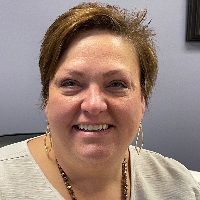
Hope Spencer
Compassionate counselor focused on practical help
- Credentials
- LPC
- Experience
- 22 years
- Licensed in
- Mississippi
- Languages
- English
- Format
- Online sessions
About Hope
Hope Spencer is a Licensed Professional Counselor who centers sessions on strong rapport and practical work. She uses clear, straightforward methods so parents and individuals can see what to do next. Hope listens with care and brings steady energy to each meeting.
She holds a Master of Science and the LPC credential, MS LPC 1144. Her approach starts by listening closely to concerns like stress, anxiety, grief, anger, and relationship problems.
Background and approach
Hope adapts techniques to the situation, drawing from cognitive behavioral therapy and solution-focused work when useful. She also uses client-centered methods that keep the person's goals in focus. Hope has 22 years of experience in the field.
That time includes work with mood concerns such as depression and bipolar, attention-related issues like ADHD, and challenges around intimacy and self-esteem. She also addresses career transitions and coping with life changes. Additional practice areas include adoption and foster care, aging and geriatric issues, attachment concerns, autism and Asperger syndrome, blended family issues, caregiver stress, and family of origin problems.
Hope tailors the pace and tools to each person's needs. Her style is warm and down-to-earth. She aims to make sessions feel like practical problem-solving rather than abstract theory.
Hope draws on professional training and long personal experience to guide each plan.
How therapeutic approaches translate to online care
Hope commonly uses Cognitive Behavioral Therapy and Client-Centered Therapy in online sessions. Cognitive Behavioral Therapy (CBT) focuses on identifying unhelpful thoughts and testing new behaviors to reduce symptoms like anxiety, depression, and stress. Client-Centered Therapy creates a space where the person leads the conversation while the therapist listens and reflects, which helps clarify goals and priorities.Finding the right mix of approaches is part of the work. The therapist will talk with each person about what they want to achieve and try methods that match those goals. This is a collaborative process and adjustments are made as progress and preferences become clear.
Online formats include video calls, phone sessions, live chat, and text-based messaging. These options make it easier to fit therapy into busy family schedules and to keep continuity when in-person meetings are difficult. The variety of formats also lets people choose the way they feel most comfortable connecting while still using structured methods like CBT and client-centered techniques.
Client-Centered Therapy
The direction comes from you rather than from a set programme. The therapist offers a warm, non-judgemental space to think out loud and work at your own pace. Online, this rests on the relationship rather than on being in the same room.
Cognitive Behavioral Therapy (CBT)
CBT looks at the link between what you think, how you feel, and what you do. You work on noticing unhelpful patterns and practising steadier responses. It suits online sessions well, because much of the work happens between appointments and can be talked through from anywhere.
Mindfulness Therapy
Attention training: noticing thoughts and physical feelings as they arrive without being carried off by them. Much of it is practice you do yourself, so guidance over video or audio works much as it would in person.
Frequently asked questions
What issues does Hope help with?
What is her therapy style like?
How much clinical experience does she have?
What are her credentials and location?
Which languages are sessions offered in?
Can people outside the country work together?
What session formats are available?
How are costs and scheduling handled?
Specialties and expertise
Top specialties
- Stress, Anxiety
- Family conflicts
- Anger management
Also works with
- ADHD
- Adoption and foster care
- Aging and geriatric issues
- Attachment issues
- Autism and Asperger Syndrome
- Bipolar disorder
- Blended family issues
- Career difficulties
- Caregiver issues and stress
- Co-morbidity
- Commitment issues
- Control issues
- Coping with life changes
- Dependent personality
- Depression
- Disruptive Mood Dysregulation Disorder (DMDD)
- Divorce and separation
- Eating disorders
- Emptiness
- Family of origin issues
- Family problems
- Forgiveness
- Grief
- Impulsivity
- Intellectual disability
- Intimacy-related issues
- Isolation / loneliness
- Jealousy
- Life purpose
- Midlife crisis
- Mood disorders
- Obsessions, compulsions, and OCD
- Personality disorders
- Post-traumatic stress
- Postpartum depression
- Relationship issues
- Seasonal Affective Disorder (SAD)
- Self esteem
- Self-harm
- Self-love
- Social anxiety and phobia
- Trauma and abuse
- Women's issues
- Workplace issues
- Young adult issues
Therapeutic approaches
- Experience
- 22 years
- Licensed
- Mississippi
- Languages
- English
Next step
Talk to Hope
- Takes a few minutes
- Nothing to set up just to look
- Stop at any point