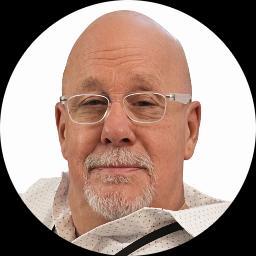
Charles Roberts
Compassionate support for recovery and life transitions
- Credentials
- LCSW
- Experience
- 10 years
- Licensed in
- Mississippi, Utah
- Languages
- English
- Format
- Online sessions
About Charles
Charles Roberts is a licensed clinical social worker who helps people facing addiction, anxiety, depression, grief, and relationship or intimacy challenges. He speaks plainly and listens first, meeting clients where they are. He encourages small steps and practical strategies that fit each person’s life.
His presence is steady and supportive for those ready to make change. Roberts draws on ten years of professional experience and long-term personal recovery from substance use to inform his work.
Background and approach
He uses evidence-based methods that include cognitive behavioral techniques and mindfulness practices to address thoughts, emotions, and behaviors. He also incorporates attachment-focused ideas to help people understand relationship patterns and build new ways of connecting. In sessions he focuses on concrete skills and real-life problems.
That can mean planning how to manage urges, practicing communication moves, developing grounding practices for anxiety, or working through grief one step at a time. His style is collaborative - he helps people set goals and choose tools that feel realistic for their daily lives.
He has experience with a wide range of concerns such as trauma, eating and behavioral addictions, bipolar mood challenges, and family of origin issues. He also addresses topics like body image, codependency, and blended family stress. Roberts is licensed in Mississippi and holds credential information consistent with MS and UT licensing.
Sessions are offered in English and Roberts is open to working with international clients. He aims to create an atmosphere of respect and practical support, helping people move from merely coping toward a clearer sense of direction and greater stability.
How therapeutic approaches translate to online care
Attachment-Based Therapy helps people notice patterns in relationships and how early bonds influence current trust and closeness. Online sessions can explore these patterns through conversation and homework aimed at changing everyday interactions. Cognitive Behavioral Therapy, or CBT, focuses on identifying unhelpful thoughts and testing new behaviors. It translates well to remote work with structured exercises, thought records, and skill practice between sessions.Choosing the right approach is part of the process. The therapist collaborates with each person to pick methods that match their needs, goals, and comfort with online tools. That collaborative decision is revisited as work progresses so the plan remains practical and relevant.
Online therapy offers practical flexibility. Video calls let people use visual cues and real-time interaction. Phone sessions provide a simple option when screens aren’t convenient. Live chat and text-based messaging allow brief check-ins, exercises, and support between appointments. These formats make it easier to fit therapy into a busy life and to continue work through transitions or geographic distance.
Attachment-Based Therapy
Looks at how early bonds shaped what you expect from closeness, and how that plays out now with a partner, a parent, or your own children.
Client-Centered Therapy
The direction comes from you rather than from a set programme. The therapist offers a warm, non-judgemental space to think out loud and work at your own pace. Online, this rests on the relationship rather than on being in the same room.
Cognitive Behavioral Therapy (CBT)
CBT looks at the link between what you think, how you feel, and what you do. You work on noticing unhelpful patterns and practising steadier responses. It suits online sessions well, because much of the work happens between appointments and can be talked through from anywhere.
Frequently asked questions
What concerns does he address?
What is his general therapy style?
What professional experience does he bring?
What credentials and location information are listed?
Which languages are supported and can he work with international clients?
What session formats are offered?
How do costs work?
How do I begin working with him?
Specialties and expertise
Top specialties
- Addictions
- Relationship issues
- Grief
Also works with
- Abandonment
- Attachment issues
- Avoidant personality
- BDSM, kink, and alternative sex culture
- Bipolar disorder
- Blended family issues
- Body image
- Caregiver issues and stress
- Coaching
- Codependency
- Communication problems
- Control issues
- Coping with life changes
- Dependent personality
- Depression
- Divorce and separation
- Drug and alcohol addiction
- Eating disorders
- Emptiness
- Family conflicts
- Family of origin issues
- Family problems
- Fatherhood issues
- First responder issues
- Forgiveness
- Guilt and shame
- HIV / AIDS
- Impulsivity
- Infidelity
- Intimacy-related issues
- Isolation / loneliness
- Jealousy
- Life purpose
- Men's issues
- Midlife crisis
- Mood disorders
- Narcissism
- Panic disorder and panic attacks
- Parenting issues
- Post-traumatic stress
- Prejudice and discrimination
- Process addiction (porn, exercise, gambling)
- Seasonal Affective Disorder (SAD)
- Self esteem
- Self-love
- Sex addiction
- Sexual assault and abuse
- Sexual dysfunction
- Sexuality
- Social anxiety and phobia
- Stress, Anxiety
- Trauma and abuse
- Veteran and Armed Forces Issues
- Young adult issues
Therapeutic approaches
- Experience
- 10 years
- Licensed
- Mississippi, Utah
- Languages
- English
Next step
Talk to Charles
- Takes a few minutes to look through
- Nothing to set up just to read
- Stop at any point