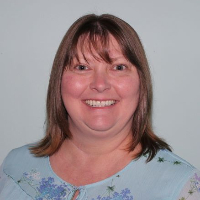
Carol Tallant
Hopeful, practical support for distressing emotions
- Credentials
- LMHC, LPC
- Experience
- 15 years
- Licensed in
- Georgia, Florida
- Languages
- English
- Format
- Online sessions
About Carol
Carol Tallant is a licensed mental health counselor who helps people cope with stress, anxiety, grief, depression, and relationship or intimacy concerns. She listens closely and aims to create a space where clients feel heard and respected. Her approach focuses on practical steps to reduce painful symptoms and on helping people understand who they are beyond past hurts.
Many clients come feeling numb, overwhelmed by strong emotions, or startled by reminders of upsetting events.
Background and approach
Carol helps them name those reactions and learn ways to manage intense feelings. She also supports people facing struggles with self esteem, parenting, addictions, career decisions, and life transitions. Carol brings 15 years of clinical experience to her work.
She holds the LMHC credential and the LPC credential and practices in Georgia. Her training includes a range of therapeutic methods so she can tailor sessions to each person’s needs. In sessions she uses conversational, direct language and focuses on clear tools and steps.
That might include learning new coping skills, changing unhelpful thought patterns, or building healthier ways to relate to others. The goal is steady, practical progress that fits daily life. People looking for help start by filling out a short matching questionnaire and scheduling a session.
Carol works with clients in English and offers several online formats to fit different schedules and needs.
Therapeutic approaches and how they work online
Client-centered therapy focuses on listening and understanding. The therapist offers empathy and support while clients steer the topics, which helps people clarify values and feel validated. Cognitive Behavioral Therapy, or CBT, looks at how thoughts influence feelings and behavior and teaches practical skills to change unhelpful thinking and reduce anxiety or low mood. Dialectical Behavior Therapy, or DBT, emphasizes emotion regulation and coping skills to manage intense reactions and improve relationships.Choosing the right approach is part of the work together. The therapist will talk with each person about goals, preferences, and what has or hasn’t helped in the past. Together they decide which methods to try and adjust the plan if something isn’t working well for the client.
Online sessions are offered as video calls, phone sessions, live chat, or text-based messaging to make therapy fit daily life. These options let people meet from home, keep therapy consistent during busy weeks, and use short check-ins or longer sessions as needed. Licensed professionals can use these formats to teach skills, review progress, and support practical homework between meetings.
Client-Centered Therapy
The direction comes from you rather than from a set programme. The therapist offers a warm, non-judgemental space to think out loud and work at your own pace. Online, this rests on the relationship rather than on being in the same room.
Cognitive Behavioral Therapy (CBT)
CBT looks at the link between what you think, how you feel, and what you do. You work on noticing unhelpful patterns and practising steadier responses. It suits online sessions well, because much of the work happens between appointments and can be talked through from anywhere.
Dialectical Behavior Therapy (DBT)
Concrete skills for riding out strong emotion, tolerating distress, and handling relationships without things escalating. The skills are practised in daily life, so between-session support by message or phone fits naturally.
Frequently asked questions
What kinds of problems can be addressed?
What is her general therapy style?
How much clinical experience does she have?
What are her professional credentials and where is she located?
Which languages are available for sessions?
What session formats are offered?
How are fees and payment handled?
How do I begin working with her?
Specialties and expertise
Top specialties
Also works with
- Abandonment
- Addictions
- Anger management
- Attachment issues
- Career difficulties
- Codependency
- Communication problems
- Compassion fatigue
- Coping with life changes
- Depression
- Dissociation
- Family conflicts
- Family of origin issues
- Family problems
- Grief
- Guilt and shame
- Intimacy-related issues
- Life purpose
- Mood disorders
- Parenting issues
- Post-traumatic stress
- Relationship issues
- Self esteem
- Self-harm
- Sexual assault and abuse
- Sexuality
- Women's issues
Therapeutic approaches
- Experience
- 15 years
- Licensed
- Georgia, Florida
- Languages
- English
Next step
Talk to Carol
- Takes a few minutes
- Nothing to set up just to look
- Stop at any point