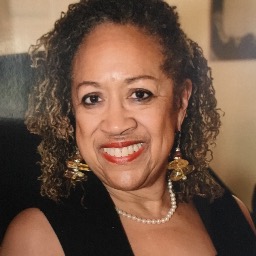
Dr. Blandina Rose-willis
Supportive listening with practical steps
- Credentials
- LPC
- Experience
- 3 years
- Licensed in
- Michigan
- Languages
- English
- Format
- Online sessions
About Blandina
Dr. Blandina Rose-willis uses a client-centered approach as the foundation of her work. She focuses on listening first and helping people feel understood.
Her style is practical and straightforward, aimed at helping people handle stress, career shifts, relationship strains, and parenting and family concerns. She has three years of counseling experience across community and college settings. Early in her career she supported people leaving addiction and incarceration as they rebuilt work and life skills.
Background and approach
She later worked in university and community college counseling centers where students and community members faced homelessness, trauma, and overwhelming life changes. After completing her PhD, she moved into administrative roles where she supervised staff and taught communication and problem-solving skills. Those roles kept her connected to counseling through training, diversity consulting, and community health initiatives.
She also ran groups and workshops, including sessions about LGBTQ legal and social issues for educators. Therapy with her emphasizes practical steps and options. She believes people have the capacity to grow when they get steady support and clear guidance.
Sessions often include exploring career decisions, coping strategies for anxiety and stress, grief work, and building self-esteem. Her perspective is holistic: she considers physical health, self-care, and emotional life together. She aims to help clients develop new life skills that they can continue to use after therapy ends.
How her approaches translate to online care
Client-centered therapy focuses on listening and building a trusting relationship. In practice this means the therapist reflects what is said, asks questions to clarify needs, and supports the person's own goals and choices. It helps when someone feels stuck or overwhelmed and needs steady, respectful guidance.Cognitive Behavioral Therapy, or CBT, looks at how thoughts, feelings, and actions connect. Online sessions use simple exercises and practical steps to change patterns that feed anxiety, depression, or stress. This approach works well for career concerns, coping with life changes, and building self-esteem.
Mindfulness Therapy adds techniques that bring attention to the present moment. Short exercises and breathing practices are taught to reduce rumination and improve focus during stressful times.
Finding the right approach is part of the work. She collaborates with clients to decide which methods fit best for their goals and preferences, adjusting over time as needs change.
Online therapy offers flexibility with video calls, phone sessions, live chat, or text-based messaging. These options make it easier to fit sessions into busy schedules, keep continuity during transitions, and pick the format that feels most comfortable. Licensed professionals can still use the same listening, skills training, and exercises effectively through these formats, making progress possible without travel.
Client-Centered Therapy
The direction comes from you rather than from a set programme. The therapist offers a warm, non-judgemental space to think out loud and work at your own pace. Online, this rests on the relationship rather than on being in the same room.
Cognitive Behavioral Therapy (CBT)
CBT looks at the link between what you think, how you feel, and what you do. You work on noticing unhelpful patterns and practising steadier responses. It suits online sessions well, because much of the work happens between appointments and can be talked through from anywhere.
Mindfulness Therapy
Attention training: noticing thoughts and physical feelings as they arrive without being carried off by them. Much of it is practice you do yourself, so guidance over video or audio works much as it would in person.
Frequently asked questions
What concerns does she address?
What is the therapy style like?
What is her background and experience?
What credentials and location apply?
Which languages and international work are supported?
What session formats are available?
How does payment and cost work?
How do I begin working with her?
Specialties and expertise
Top specialties
- Career difficulties
Also works with
- Addictions
- ADHD
- Aging and geriatric issues
- Anger management
- Antisocial personality
- Blended family issues
- Body image
- Coaching
- Codependency
- Commitment issues
- Compassion fatigue
- Control issues
- Coping with life changes
- Dependent personality
- Depression
- Eating and food-related issues
- Emptiness
- Family conflicts
- Family problems
- Fatherhood issues
- Fertility issues
- Forgiveness
- Grief
- Guilt and shame
- Impulsivity
- Infidelity
- Intellectual disability
- Isolation / loneliness
- Jealousy
- LGBT
- Life purpose
- Midlife crisis
- Money and financial issues
- Multicultural concerns
- Narcissism
- Obsessions, compulsions, and OCD
- Paranoia
- Prejudice and discrimination
- Relationship issues
- Seasonal Affective Disorder (SAD)
- Self esteem
- Self-love
- Social anxiety and phobia
- Stress, Anxiety
- Women's issues
- Workplace issues
Therapeutic approaches
- Experience
- 3 years
- Licensed
- Michigan
- Languages
- English
Next step
Talk to Blandina
- Takes a few minutes
- Nothing to set up just to look
- Stop at any point