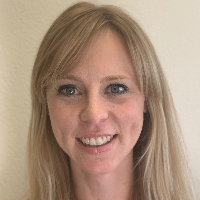
Amy McKinney
Practical support for anxiety, trauma, and life change
- Credentials
- WY Psychologist 607
- Experience
- 10 years
- Licensed in
- Wyoming
- Languages
- English
- Format
- Online sessions
About Amy
Amy McKinney is a licensed psychologist practicing in Wyoming. She has ten years of clinical experience and focuses on concerns such as anxiety, trauma, grief, depression, addictions, and stress. She also works with issues around parenting, relationships, intimacy, self-esteem, and life changes.
Amy uses straightforward language and a supportive style to help people take the first steps toward change. Amy began her career treating Soldiers in the military, which shaped her understanding of traumatic stress and loss.
Background and approach
That work influenced how she approaches trauma, grief, and first responder or veteran-related concerns. Over time she broadened her practice to include mood disorders, ADHD, and coping with major life transitions. Her approach centers on helping people see themselves differently in the present moment.
She draws on methods such as Acceptance and Commitment Therapy, Cognitive Behavioral Therapy, Dialectical Behavior Therapy, and Eye Movement Desensitization and Reprocessing when appropriate. Sessions focus on practical skills, new ways of thinking, and steps people can try between meetings. Amy aims to create a collaborative space where small changes lead to clearer thinking and better daily functioning.
She emphasizes building confidence and finding moments of relief, even during hard work. She values humor and ordinary pleasures as part of recovery and growth. As a Wyoming psychologist licensed as WY Psychologist 607, Amy offers help in English.
Her background includes military clinical work and a decade of varied practice in mental health.
Approaches that translate to online work
Amy often draws on Acceptance and Commitment Therapy, which helps people notice unhelpful thoughts and choose actions that match their values. ACT is useful for anxiety, depression, and coping with life changes.She also uses Cognitive Behavioral Therapy to identify patterns of thinking that increase distress and to build concrete skills for change. CBT is practical and action-oriented, which fits well with remote sessions.
Finding the right approach is part of the work together. The therapist will discuss goals, preferences, and what feels most helpful. That collaborative process guides whether ACT, CBT, EMDR, or other methods are used during online care.
Online sessions are offered by video calls, phone sessions, live chat, or text-based messaging to make therapy more flexible. These options let people meet from home, keep therapy consistent during busy periods, and try different formats to see what fits best. Many clients find remote work reduces travel and helps them fit therapy into daily life while still focusing on meaningful change.
Acceptance and Commitment Therapy (ACT)
Less about arguing with difficult thoughts, more about loosening their grip and acting on what matters to you anyway. Values and committed action carry the work, which suits conversation at a distance.
Client-Centered Therapy
The direction comes from you rather than from a set programme. The therapist offers a warm, non-judgemental space to think out loud and work at your own pace. Online, this rests on the relationship rather than on being in the same room.
Cognitive Behavioral Therapy (CBT)
CBT looks at the link between what you think, how you feel, and what you do. You work on noticing unhelpful patterns and practising steadier responses. It suits online sessions well, because much of the work happens between appointments and can be talked through from anywhere.
Frequently asked questions
What concerns does Amy commonly address?
What is her therapeutic style like?
What experience does she bring to therapy?
What are her credentials and where is she based?
Which languages are supported for sessions?
What session formats are available?
How is cost handled for sessions?
How do I begin working with her?
Specialties and expertise
Top specialties
Also works with
- ADHD
- Adoption and foster care
- Anger management
- Avoidant personality
- Bipolar disorder
- Blended family issues
- Career difficulties
- Coaching
- Communication problems
- Compassion fatigue
- Coping with life changes
- Dependent personality
- Depression
- Disruptive Mood Dysregulation Disorder (DMDD)
- Dissociation
- Divorce and separation
- Drug and alcohol addiction
- Family conflicts
- First responder issues
- Grief
- Guilt and shame
- HIV / AIDS
- Intimacy-related issues
- LGBT
- Life purpose
- Mood disorders
- Obsessions, compulsions, and OCD
- Panic disorder and panic attacks
- Parenting issues
- Phobias
- Post-traumatic stress
- Postpartum depression
- Relationship issues
- Self esteem
- Self-harm
- Self-love
- Sleeping disorders
- Smoking / vaping cessation
- Social anxiety and phobia
- Traumatic brain injury
- Veteran and Armed Forces Issues
- Women's issues
- Young adult issues
Therapeutic approaches
- Experience
- 10 years
- Licensed
- Wyoming
- Languages
- English
Next step
Talk to Amy
- Takes a few minutes
- Nothing to set up just to look
- Stop at any point