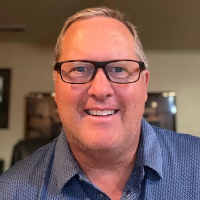
Timothy "Tim" Nordstrom
Practical, experienced help for life’s challenges
- Credentials
- LCSW
- Experience
- 30 years
- Licensed in
- Montana
- Languages
- English
- Format
- Online sessions
About Timothy
Timothy "Tim" Nordstrom is a Licensed Clinical Social Worker (LCSW) with three decades of experience supporting people facing stress, anxiety, depression, trauma and parenting challenges. He helps with relationship and intimacy concerns, addictions, grief, career transitions, and attention-related struggles such as ADHD. Tim aims to make therapy understandable and practical for everyday life.
Tim’s style is conversational and down-to-earth. He starts by listening to what matters most to each person and then explains ideas in plain language.
Background and approach
He often moves from listening into psychoeducation so clients and therapist share the same framework for questions like “what is happening?” and “how can I create lasting change?” Over his career he has worked in varied settings, including internal medicine clinics, schools, and independent practice.
That experience shaped a flexible approach that can fit brief, focused work or longer-term support. Tim also brings creativity into sessions at times, including music and songwriting when it suits a person’s goals. Tim uses practical methods drawn from acceptance and commitment therapy, cognitive behavioral therapy, dialectical behavior therapy, mindfulness, and client-centered therapy.
He focuses on helping people manage stress so it does not harm them physically or socially. He encourages clear goals and steps toward change. People who meet with Tim can expect a respectful, nonjudgmental space where their concerns are named and explained.
He emphasizes collaboration and real-world strategies that fit day-to-day life.
How therapeutic approaches shape online work
Acceptance and Commitment Therapy (ACT) helps people clarify what matters most and take actions that align with those values, even when emotions are difficult. It can be useful for stress, anxiety, and life transitions. Cognitive Behavioral Therapy (CBT) focuses on identifying unhelpful thoughts and testing new behaviors to reduce symptoms like depression and anxiety. It often involves clear, practiceable exercises you can use between sessions.Choosing the right approach is a collaborative process. The therapist will listen to your goals and preferences, explain different methods in plain language, and work with you to try what fits best. Many people find combining techniques from more than one approach helps match therapy to real-life needs.
Confirm the specific online session options before booking, as formats are not specified in the biography. In general, online work can make it easier to fit therapy into a busy schedule, shorten travel time, and allow focused check-ins when full hour sessions are not possible. It can also support continuity of care for people living far from a therapist's office. Licensed professionals will discuss how sessions will be arranged so they match your daily routine and goals.
Acceptance and Commitment Therapy (ACT)
Less about arguing with difficult thoughts, more about loosening their grip and acting on what matters to you anyway. Values and committed action carry the work, which suits conversation at a distance.
Client-Centered Therapy
The direction comes from you rather than from a set programme. The therapist offers a warm, non-judgemental space to think out loud and work at your own pace. Online, this rests on the relationship rather than on being in the same room.
Cognitive Behavioral Therapy (CBT)
CBT looks at the link between what you think, how you feel, and what you do. You work on noticing unhelpful patterns and practising steadier responses. It suits online sessions well, because much of the work happens between appointments and can be talked through from anywhere.
Frequently asked questions
What kinds of concerns does Tim help with?
How would you describe his therapeutic style?
What is his clinical experience?
What credentials and location does he have?
Can I work with him if I live outside the United States?
What session formats are offered?
How does pricing work for sessions?
How do I get started with therapy?
Specialties and expertise
Top specialties
Also works with
- Abandonment
- Addictions
- ADHD
- Aging and geriatric issues
- Anger management
- Autism and Asperger Syndrome
- Bipolar disorder
- Blended family issues
- Cancer
- Career difficulties
- Caregiver issues and stress
- Chronic pain, illness, and disability
- Co-morbidity
- Coaching
- Codependency
- Commitment issues
- Communication problems
- Compassion fatigue
- Coping with life changes
- Depression
- Divorce and separation
- Emptiness
- Family conflicts
- Fatherhood issues
- Forgiveness
- Grief
- Guilt and shame
- Impulsivity
- Intimacy-related issues
- Isolation / loneliness
- Life purpose
- Men's issues
- Panic disorder and panic attacks
- Parenting issues
- Relationship issues
- Self-love
- Social anxiety and phobia
Therapeutic approaches
- Experience
- 30 years
- Licensed
- Montana
- Languages
- English
Next step
Talk to Timothy
- Takes a few minutes
- Nothing to set up just to look
- Stop at any point