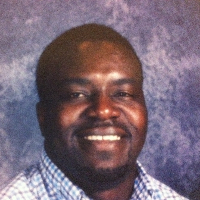
Timothy Pittman
Straightforward therapy focused on practical change
- Credentials
- LCMHC
- Experience
- 20 years
- Licensed in
- North Carolina
- Languages
- English
- Format
- Online sessions
About Timothy
Timothy Pittman uses practical, person-centered therapy to help people cope with life stress and make concrete changes. He is a Licensed Clinical Mental Health Counselor, LCMHC, with two decades of experience. He listens, builds trust, and focuses on what matters most to each person.
Timothy draws on cognitive behavioral tools to help people notice and change thoughts that lead to unhelpful actions. He also uses solution-focused strategies to set clear, achievable goals.
Background and approach
Motivational interviewing is part of his approach when someone wants to change habits around substances or other behaviors. In sessions he talks through past experiences that still cause problems today. He helps people learn specific skills to manage strong feelings like anxiety, anger, or depression.
He also works on sleep, self-esteem, and coping with major life changes. Timothy has worked in mental health and substance use settings for 20 years in North Carolina. He combines listening with practical steps so people leave sessions with methods they can use right away.
He can also address concerns such as parenting stress, relationship problems, grief, and issues related to adoption or attachment. People who want straightforward strategies and a calm, steady clinician often find his style helpful. He offers sessions in English and provides video calls, phone sessions, live chat, and text-based messaging to fit different schedules and needs.
Therapeutic approaches that work well online
Client-Centered Therapy focuses on listening and building trust, giving people space to share what matters most and to feel understood. This approach helps when someone needs steady support before making changes.Cognitive Behavioral Therapy, or CBT, teaches practical skills to notice and change thoughts and behaviors that cause anxiety, depression, or sleep problems. It often uses short exercises and homework that fit well into online sessions.
Motivational Interviewing helps people clarify their reasons for change and build confidence to take steps, which can be useful for addictions or habit change in remote work with a therapist.
Choosing the right approach is a team effort. Timothy works collaboratively to match methods to a person’s goals and preferences, and he adjusts the plan as progress is made. The first sessions focus on understanding needs and deciding which tools to use.
Online therapy here is offered via video calls, phone sessions, live chat, or text-based messaging. These options make it easier to fit therapy into busy lives, reduce travel time, and maintain continuity when schedules change. Many find that combining video sessions with messaging between meetings helps keep momentum between appointments.
Client-Centered Therapy
The direction comes from you rather than from a set programme. The therapist offers a warm, non-judgemental space to think out loud and work at your own pace. Online, this rests on the relationship rather than on being in the same room.
Cognitive Behavioral Therapy (CBT)
CBT looks at the link between what you think, how you feel, and what you do. You work on noticing unhelpful patterns and practising steadier responses. It suits online sessions well, because much of the work happens between appointments and can be talked through from anywhere.
Motivational Interviewing
A way of working through mixed feelings about change without being pushed. The therapist helps you weigh things up and find your own reasons, which often makes a difficult decision feel less stuck.
Frequently asked questions
What kinds of problems does he address?
What is his therapeutic style like?
How much experience does he have?
Where is he licensed and practicing?
Which languages are supported for sessions?
Can international clients work with him?
What session formats are available?
How are fees and getting started handled?
Specialties and expertise
Top specialties
Also works with
- ADHD
- Adoption and foster care
- Anger management
- Attachment issues
- Bipolar disorder
- Career difficulties
- Coaching
- Communication problems
- Coping with life changes
- Depression
- Divorce and separation
- Domestic violence
- Drug and alcohol addiction
- Family conflicts
- Family problems
- Grief
- Guilt and shame
- HIV / AIDS
- Infidelity
- Intellectual disability
- Intimacy-related issues
- Men's issues
- Multicultural concerns
- Obsessions, compulsions, and OCD
- Parenting issues
- Personality disorders
- Phobias
- Relationship issues
- Self esteem
- Sleeping disorders
- Social anxiety and phobia
- Trauma and abuse
- Young adult issues
Therapeutic approaches
- Experience
- 20 years
- Licensed
- North Carolina
- Languages
- English
Next step
Talk to Timothy
- Takes a few minutes
- Nothing to set up just to look
- Stop at any point