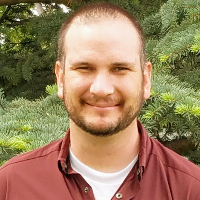
Stephen Bunnell
Calm, practical support for everyday challenges
- Credentials
- LCSW
- Experience
- 6 years
- Licensed in
- Idaho, Utah, Washington
- Languages
- English
- Format
- Online sessions
About Stephen
Stephen Bunnell is a Licensed Clinical Social Worker (LCSW) practicing in Idaho. He aims to help people facing stress, anxiety, addictions, relationship strain, depression, grief, parenting concerns, and other life changes. He writes plainly and listens closely, working to find practical steps that fit each person’s situation.
Stephen draws on six years of professional experience in mental health settings. Stephen focuses on building a respectful, nonjudgmental relationship. He centers conversations on what matters most to the client and looks for strengths to build on.
Background and approach
He values connection - to relationships, values, the present moment, and personal meaning - as a path toward change. In sessions he uses tools from Acceptance and Commitment Therapy, Client-Centered Therapy, and Dialectical Behavior Therapy, among other approaches. Those methods guide clear skills practice, values-based goals, and calm, steady problem solving.
He adapts techniques to each person rather than using a one-size-fits-all plan. Stephen has worked across different states and settings earlier in his career and brings that variety into his current practice in Idaho. His background includes supporting people with addiction, personality concerns, caregiving stress, and fatherhood issues, as well as traditional mood and anxiety difficulties.
He offers multiple remote session formats so people can choose what works best. The focus in his practice is practical change, steady support, and helping clients identify next steps they can use in daily life.
How therapeutic approaches translate to online care
Acceptance and Commitment Therapy helps people notice difficult thoughts and feelings while focusing on the values that matter most. It is useful when someone wants to take action toward a meaningful life despite stress or persistent worries. Client-Centered Therapy centers the conversation on the person’s perspective, with the therapist offering empathy and reflective listening to help clarify goals and build motivation. Dialectical Behavior Therapy teaches practical skills for managing strong emotions, improving relationships, and reducing impulsive behavior.Finding the right approach is part of the work and happens together. The therapist will review goals, try different techniques, and adjust the plan based on what fits the client’s needs and preferences. That collaborative process helps shape sessions so they feel relevant and doable.
Online sessions make it easier to fit therapy into busy lives. Video calls allow face-to-face conversation; phone sessions offer a simpler option for those on the go. Live chat and text-based messaging let people check in between conversations and practice skills in real time. These formats increase flexibility and help maintain momentum when life gets complicated.
Acceptance and Commitment Therapy (ACT)
Less about arguing with difficult thoughts, more about loosening their grip and acting on what matters to you anyway. Values and committed action carry the work, which suits conversation at a distance.
Client-Centered Therapy
The direction comes from you rather than from a set programme. The therapist offers a warm, non-judgemental space to think out loud and work at your own pace. Online, this rests on the relationship rather than on being in the same room.
Dialectical Behavior Therapy (DBT)
Concrete skills for riding out strong emotion, tolerating distress, and handling relationships without things escalating. The skills are practised in daily life, so between-session support by message or phone fits naturally.
Frequently asked questions
What concerns does Stephen commonly address?
What style of therapy does he use?
How long has he worked in mental health?
Where is Stephen licensed and based?
Which languages are supported for sessions?
What session formats are available?
How are sessions paid for and priced?
How do I begin working with him?
Specialties and expertise
Top specialties
- Stress, Anxiety
- Addictions
- Relationship issues
Also works with
- ADHD
- Aging and geriatric issues
- Anger management
- Antisocial personality
- Attachment issues
- Bipolar disorder
- Career difficulties
- Caregiver issues and stress
- Codependency
- Commitment issues
- Control issues
- Coping with life changes
- Depression
- Disruptive Mood Dysregulation Disorder (DMDD)
- Drug and alcohol addiction
- Emptiness
- Family conflicts
- Family of origin issues
- Fatherhood issues
- Forgiveness
- Grief
- Guilt and shame
- Impulsivity
- Isolation / loneliness
- Life purpose
- Men's issues
- Midlife crisis
- Mood disorders
- Multicultural concerns
- Narcissism
- Panic disorder and panic attacks
- Parenting issues
- Personality disorders
- Seasonal Affective Disorder (SAD)
- Self-love
- Social anxiety and phobia
- Trauma and abuse
Therapeutic approaches
- Experience
- 6 years
- Licensed
- Idaho, Utah, Washington, Arizona
- Languages
- English
Next step
Talk to Stephen
- Takes a few minutes
- Nothing to set up just to look
- Stop at any point