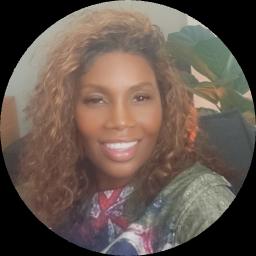
Shacoya Graham
Restoring connection and family balance
- Credentials
- LMFT
- Experience
- 5 years
- Licensed in
- North Carolina
- Languages
- English
- Format
- Online sessions
About Shacoya
Shacoya Graham is a licensed marriage and family therapist who focuses on family and parenting concerns, relationships, addictions, trauma, and bipolar-related challenges. She speaks plain, direct language and aims to make the first steps toward help feel manageable. Her approach is respectful and compassionate, and she adapts conversations to each person's situation.
In sessions she listens first to what matters most to the person or family. She helps identify patterns that cause pain and works with clients to try different ways of responding.
Background and approach
That can include learning new communication habits, setting clearer boundaries, or addressing substance use and its effects on relationships. Her toolbox draws from attachment-based work, client-centered techniques, cognitive behavioral strategies, and emotionally-focused methods. These methods are used to improve connection, reduce anxiety or reactivity, and change unhelpful thoughts and behaviors that get in the way of family life.
Shacoya uses a practical style. Conversations are focused and paced to each client's needs. She builds on strengths already present in the family or relationship and sets small, achievable steps for change.
She holds an LMFT credential, licensed in North Carolina. Shacoya has five years of professional experience helping people manage relationship conflict, addiction concerns, trauma, and other family-related struggles.
How therapeutic approaches work online
Attachment-Based Therapy focuses on how relationships shape feelings of safety and trust. Online sessions using this approach look at how family members connect and respond to each other, helping people build more reliable emotional bonds. Cognitive Behavioral Therapy, or CBT, helps identify and change unhelpful thoughts and behaviors. In online CBT sessions clients learn skills to manage distressing thoughts and try small behavior changes between meetings.Choosing the right approach is a collaborative process. The therapist will talk with the client about goals, preferences, and what has or has not worked before. Together they decide whether attachment work, CBT, emotionally-focused methods, or a mix will be the best fit for the issue at hand.
Online formats offer flexibility for busy family lives. Sessions can take place by video call for face-to-face conversation, by phone for shorter check-ins, or through live chat and text messaging for ongoing support and quick coping tools. These options make it easier to fit therapy into school schedules, work hours, and other obligations while maintaining regular contact with a licensed professional.
Attachment-Based Therapy
Looks at how early bonds shaped what you expect from closeness, and how that plays out now with a partner, a parent, or your own children.
Client-Centered Therapy
The direction comes from you rather than from a set programme. The therapist offers a warm, non-judgemental space to think out loud and work at your own pace. Online, this rests on the relationship rather than on being in the same room.
Cognitive Behavioral Therapy (CBT)
CBT looks at the link between what you think, how you feel, and what you do. You work on noticing unhelpful patterns and practising steadier responses. It suits online sessions well, because much of the work happens between appointments and can be talked through from anywhere.
Frequently asked questions
What concerns does this therapist address?
How would you describe the therapy style?
What kind of experience does she have?
What are her credentials and where is she based?
Which languages are supported for sessions?
Are international clients accepted?
What session formats are available?
How do I get started?
Specialties and expertise
Top specialties
- Addictions
- Relationship issues
- Family conflicts
Also works with
- Attachment issues
- Bipolar disorder
- Blended family issues
- Codependency
- Communication problems
- Dependent personality
- Drug and alcohol addiction
- Fertility issues
- Forgiveness
- Guilt and shame
- Infidelity
- Jealousy
- Life purpose
- Men's issues
- Midlife crisis
- Multicultural concerns
- Polyamory / non-monogamous relationships
- Post-traumatic stress
- Postpartum depression
- Prejudice and discrimination
- Process addiction (porn, exercise, gambling)
- Self-love
- Trauma and abuse
- Women's issues
- Workplace issues
Therapeutic approaches
- Experience
- 5 years
- Licensed
- North Carolina
- Languages
- English
Next step
Talk to Shacoya
- Takes a few minutes to look through
- Nothing to set up just to read
- Stop at any point