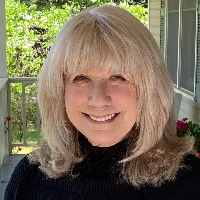
Sandra Vaughn
Practical, compassionate help for parenting stress
- Credentials
- LPC
- Experience
- 23 years
- Licensed in
- Georgia
- Languages
- English
- Format
- Online sessions
About Sandra
Sandra Vaughn is a Licensed Professional Counselor (LPC) who focuses on family and parenting concerns among a wide range of other issues. She welcomes people coping with stress, anxiety, depression, grief, addiction, relationship problems, parenting strains, and related life changes. Sandra writes plainly and listens closely so parents and caregivers can talk through practical steps.
Her style aims to be compassionate, respectful, and straightforward for someone seeking help right now.
Background and approach
With 23 years of experience she draws from several therapeutic approaches to match each person's needs. Sandra uses client-centered work to build trust and understand what matters most to the individual. She also applies cognitive behavioral techniques to identify unhelpful thinking patterns and DBT skills when stronger emotional regulation tools are needed.
Sandra adapts treatment plans to the unique situation in front of her rather than following a single formula. Sessions are collaborative - she helps set goals and teaches skills you can use between meetings. Parents often leave with clearer routines and communication strategies they can try at home.
Her practice in Georgia includes support for complex issues such as trauma, grief, ADHD, compassion fatigue, and substance concerns. Sandra pays close attention to stress that affects family life and parenting roles. Her aim is to make therapy useful and practical for daily living.
She offers a steady, nonjudgmental presence and focuses on small changes that add up over time. Sandra encourages realistic steps toward better coping, healthier relationships, and improved sleep and mood.
Therapeutic approaches for online family and parenting support
Client-centered therapy focuses on understanding each person's perspective and building a trusting relationship. In practice this means the therapist listens closely, reflects what she hears, and helps clients identify their own priorities for change.Cognitive Behavioral Therapy, or CBT, helps people notice and change patterns of thinking and behavior that increase stress or conflict. It is often used to address anxiety, depression, sleep issues, and parenting-related worries by teaching concrete skills and small experiments to try at home.
Dialectical Behavior Therapy, or DBT, offers practical tools for managing strong emotions and improving communication. DBT skills are useful when parents or caregivers need better emotion regulation, distress tolerance, and ways to reduce conflict.
Choosing an approach is a team effort. The therapist will talk with the client about goals, preferences, and what has or hasn’t helped before, then recommend methods to try. Sessions may combine elements from different approaches so the plan fits the person's life and family needs.
Online therapy here uses video calls, phone sessions, live chat, or text-based messaging to make care more accessible and flexible. These formats let people schedule sessions around busy family routines, follow up between meetings, and pick the communication method that feels most comfortable. Licensed professionals can adapt these tools to teach skills, role-play conversations, and coach families through changes without requiring in-person visits.
Client-Centered Therapy
The direction comes from you rather than from a set programme. The therapist offers a warm, non-judgemental space to think out loud and work at your own pace. Online, this rests on the relationship rather than on being in the same room.
Cognitive Behavioral Therapy (CBT)
CBT looks at the link between what you think, how you feel, and what you do. You work on noticing unhelpful patterns and practising steadier responses. It suits online sessions well, because much of the work happens between appointments and can be talked through from anywhere.
Dialectical Behavior Therapy (DBT)
Concrete skills for riding out strong emotion, tolerating distress, and handling relationships without things escalating. The skills are practised in daily life, so between-session support by message or phone fits naturally.
Frequently asked questions
What kinds of problems does she address?
What is her therapy style like?
How long has she practiced?
Where is she licensed to practice?
What languages are supported?
Can people outside the U.S. work with her?
In which formats are sessions available?
How does payment and scheduling work?
Specialties and expertise
Top specialties
- Stress, Anxiety
- Addictions
- Relationship issues
Also works with
- Abandonment
- ADHD
- Aging and geriatric issues
- Anger management
- Antisocial personality
- Attachment issues
- Bipolar disorder
- Blended family issues
- Cancer
- Career difficulties
- Caregiver issues and stress
- Co-morbidity
- Coaching
- Codependency
- Communication problems
- Compassion fatigue
- Control issues
- Coping with life changes
- Depression
- Divorce and separation
- Domestic violence
- Drug and alcohol addiction
- Family conflicts
- Family problems
- Forgiveness
- Grief
- Guilt and shame
- Impulsivity
- Infidelity
- Isolation / loneliness
- Jealousy
- LGBT
- Midlife crisis
- Money and financial issues
- Mood disorders
- Multicultural concerns
- Obsessions, compulsions, and OCD
- Panic disorder and panic attacks
- Paranoia
- Parenting issues
- Personality disorders
- Polyamory / non-monogamous relationships
- Post-traumatic stress
- Self esteem
- Self-harm
- Self-love
- Sexual assault and abuse
- Sleeping disorders
- Social anxiety and phobia
- Trauma and abuse
- Veteran and Armed Forces Issues
- Women's issues
- Workplace issues
Therapeutic approaches
- Experience
- 23 years
- Licensed
- Georgia
- Languages
- English
Next step
Talk to Sandra
- Takes a few minutes
- Nothing to set up just to look
- Stop at any point