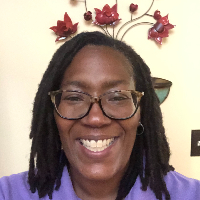
Roxanne Mitchell
Compassionate practical support for life challenges
- Credentials
- LPC
- Experience
- 7 years
- Licensed in
- Michigan
- Languages
- English
- Format
- Online sessions
About Roxanne
Roxanne Mitchell is a Licensed Professional Counselor (LPC) with seven years of clinical experience. She focuses on practical help for people facing stress, anxiety, depression, trauma, substance concerns, and life changes. Roxanne aims to build a clear, working relationship where clients feel understood and able to try new strategies.
She works from Michigan and conducts sessions in English. Roxanne favors straightforward, client-centered work that starts by looking at a person's strengths.
Background and approach
She uses tools from cognitive behavioral therapy to change unhelpful thinking and behavior patterns. Dialectical behavior therapy skills are offered when emotion regulation and coping skills are needed. The Gottman Method influences her approach to relationship and communication concerns when clients bring those issues up.
In sessions Roxanne listens first and then helps set small, realistic goals. She can walk clients through skills for sleep, mood, and stress management. She also addresses trauma, grief, anger, and issues around identity and sexuality in a direct, supportive way.
Her background includes work with people facing dual diagnosis, crisis situations, first responder trauma, domestic violence, and adoption or foster care related issues. She combines clinical knowledge with practical decision-making during high-stress moments. Expect a mix of talking, skill practice, and concrete steps between sessions.
Roxanne describes her style as collaborative and strengths-focused. She helps clients find what fits their lives and personality, then adjusts approaches as progress is made. The goal is steady, manageable change rather than fast fixes.
How therapy approaches translate to online care
Roxanne uses client-centered work to make sessions feel personal and focused on what matters to the client. This approach means the therapist listens closely and adapts techniques to each person’s goals and temperament, which helps when doing therapy through video or messaging.She also draws on cognitive behavioral therapy, which teaches practical skills to change thoughts and behaviors. CBT is useful for anxiety, depression, sleep and eating issues, and for setting small, achievable goals that can be practiced between online sessions.
Dialectical behavior therapy skills are offered when stronger emotion regulation or distress tolerance is needed. DBT techniques give clear tools for managing intense feelings and improving coping during stressful moments, and these skills can be reviewed and practiced in remote formats.
Finding the right approach is a collaborative process. The therapist will work with each person to choose methods that match their needs, goals, and preferences. That plan can be adjusted over time as progress is made.
Online formats - video calls, phone sessions, live chat, and text-based messaging - make it easier to fit therapy into busy lives. These options let people connect from different places, practice skills between meetings, and pick the mode that feels most comfortable. Licensed professionals can use these formats to deliver the same skill-based work and goal setting normally done in person.
Client-Centered Therapy
The direction comes from you rather than from a set programme. The therapist offers a warm, non-judgemental space to think out loud and work at your own pace. Online, this rests on the relationship rather than on being in the same room.
Cognitive Behavioral Therapy (CBT)
CBT looks at the link between what you think, how you feel, and what you do. You work on noticing unhelpful patterns and practising steadier responses. It suits online sessions well, because much of the work happens between appointments and can be talked through from anywhere.
Dialectical Behavior Therapy (DBT)
Concrete skills for riding out strong emotion, tolerating distress, and handling relationships without things escalating. The skills are practised in daily life, so between-session support by message or phone fits naturally.
Frequently asked questions
What issues can Roxanne help with?
How would she describe her therapeutic style?
What is her clinical background?
What credentials and where is she licensed?
In which languages are sessions offered?
What session formats are available?
How are fees and payment handled?
What steps are needed to begin therapy?
Specialties and expertise
Top specialties
Also works with
- Addictions
- ADHD
- Adoption and foster care
- Anger management
- Antisocial personality
- Bipolar disorder
- Blended family issues
- Co-morbidity
- Codependency
- Communication problems
- Compassion fatigue
- Control issues
- Coping with life changes
- Dependent personality
- Depression
- Disruptive Mood Dysregulation Disorder (DMDD)
- Domestic violence
- Eating disorders
- Family conflicts
- Family problems
- First responder issues
- Gender dysphoria
- Grief
- Guilt and shame
- HIV / AIDS
- Impulsivity
- Intimacy-related issues
- Isolation / loneliness
- Life purpose
- Midlife crisis
- Mood disorders
- Multicultural concerns
- Narcissism
- Obsessions, compulsions, and OCD
- Paranoia
- Parenting issues
- Personality disorders
- Post-traumatic stress
- Relationship issues
- Self esteem
- Sexuality
- Sleeping disorders
Therapeutic approaches
- Experience
- 7 years
- Licensed
- Michigan
- Languages
- English
Next step
Talk to Roxanne
- Takes a few minutes
- Nothing to set up just to look
- Stop at any point