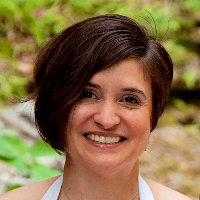
Rachel Wilson-Snyder
Supportive counselor focused on practical growth
- Credentials
- LPC
- Experience
- 23 years
- Licensed in
- Pennsylvania
- Languages
- English
- Format
- Online sessions
About Rachel
Rachel Wilson-Snyder is a Licensed Professional Counselor (LPC) in Pennsylvania with more than two decades of clinical experience. She offers warm, collaborative care that focuses on helping people manage anxiety, depression, stress, and relationship and parenting concerns. Her style is practical and goal-oriented while remaining sensitive to personal history and meaning.
Rachel draws on client-centered and cognitive approaches to help people set realistic goals and learn useful skills. She guides straightforward problem-solving for daily routines, time management, and organization.
Background and approach
She also supports work on identity, self-esteem, and career decisions. She has extensive experience supporting adults after trauma, including sexual abuse and PTSD, and with mood conditions such as bipolar disorder. Rachel also works with autism and intellectual disability in adults, plus developmental and adjustment challenges that affect life functioning.
Practical skill-building is a central part of her sessions. She helps clients with relationship skills, parenting strategies, conflict resolution, and executive functioning. Sessions often include coaching on routines and steps to reach clear, achievable goals.
Her approach blends Attachment-Based Therapy, Client-Centered Therapy, Cognitive Behavioral Therapy (CBT), Existential Therapy, and Mindfulness Therapy. Rachel aims to help each person find clearer purpose and steady progress through collaborative work in therapy.
Practical approaches for online healing and growth
Rachel integrates Attachment-Based Therapy to help people understand how past relationships shape present interactions and feelings, especially around connection and trust. This approach focuses on patterns in relationships and supports change by increasing awareness and new ways of relating.She uses Client-Centered Therapy to create a respectful, nonjudgmental space where the person's goals guide the work. This method emphasizes listening, empathy, and collaboration so clients set the pace and priorities for change.
Cognitive Behavioral Therapy (CBT) is used to identify unhelpful thoughts and replace them with more helpful ways of thinking and behaving. CBT is practical and skill-based, and it often helps with anxiety, depression, and daily functioning challenges.
Finding the right mix of approaches is part of the process. The therapist will work together with each person to choose methods that match their needs, goals, and preferences. Sessions start with assessing what feels most important and then adjust as progress is made.
Online therapy offers flexibility through video calls, phone sessions, live chat, and text-based messaging. These formats make it easier to fit sessions into busy schedules, maintain momentum between meetings, and access care from home or work. The variety of options helps people use the ways of communicating that best support their progress.
Attachment-Based Therapy
Looks at how early bonds shaped what you expect from closeness, and how that plays out now with a partner, a parent, or your own children.
Client-Centered Therapy
The direction comes from you rather than from a set programme. The therapist offers a warm, non-judgemental space to think out loud and work at your own pace. Online, this rests on the relationship rather than on being in the same room.
Cognitive Behavioral Therapy (CBT)
CBT looks at the link between what you think, how you feel, and what you do. You work on noticing unhelpful patterns and practising steadier responses. It suits online sessions well, because much of the work happens between appointments and can be talked through from anywhere.
Frequently asked questions
What kinds of concerns does Rachel help with?
What is her general therapy style and approach?
How much clinical experience does she have?
Where is she licensed and based?
Which languages are supported for sessions?
Can international clients work with her?
What session formats are available?
How are costs and subscription handled?
Specialties and expertise
Top specialties
- Stress, Anxiety
- Relationship issues
- Parenting issues
Also works with
- Abandonment
- Anger management
- Attachment issues
- Autism and Asperger Syndrome
- Bipolar disorder
- Blended family issues
- Career difficulties
- Caregiver issues and stress
- Chronic pain, illness, and disability
- Codependency
- Coping with natural or human-caused disaster
- Depression
- Divorce and separation
- Family conflicts
- Family of origin issues
- Family problems
- First responder issues
- Forgiveness
- Grief
- Guilt and shame
- Intellectual disability
- Intimacy-related issues
- Life purpose
- Midlife crisis
- Money and financial issues
- Mood disorders
- Narcissism
- Panic disorder and panic attacks
- Post-traumatic stress
- Seasonal Affective Disorder (SAD)
- Self esteem
- Self-love
- Trauma and abuse
- Traumatic brain injury
- Veteran and Armed Forces Issues
Therapeutic approaches
- Experience
- 23 years
- Licensed
- Pennsylvania
- Languages
- English
Next step
Talk to Rachel
- Takes a few minutes
- Nothing to set up just to look
- Stop at any point