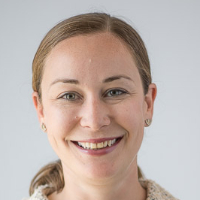
Dr. Rachel Radin
Compassionate, practical psychological care
- Credentials
- CA Psychologist 30403
- Experience
- 8 years
- Licensed in
- California
- Languages
- English
- Format
- Online sessions
About Rachel
Dr. Rachel Radin uses evidence-based therapies to help people facing stress, anxiety, mood, and eating concerns. She is a licensed psychologist in California - CA Psychologist 30403 - and brings eight years of clinical practice to each session.
Dr. Radin writes and talks plainly about goals so parents can read quickly and decide what matters for their family. She supports people coping with relationship strain, sleep problems, substance issues, grief, and identity-related stress among other challenges.
Background and approach
Dr. Radin earned a Master’s degree and a PhD in Clinical and Medical Psychology from the Uniformed Services University of the Health Sciences in Bethesda, Maryland. She completed a pre-doctoral pediatric psychology internship at Mount Washington Pediatric Hospital, where she worked on health-related behavioral issues.
Later she finished a postdoctoral fellowship at the University of California, San Francisco, adding mindfulness and motivational interviewing to her toolkit. Her clinical background includes training in cognitive behavioral approaches, interpersonal and psychodynamic methods, and mindfulness-based interventions. She has developed brief interventions aimed at reducing stress-related eating and has treated weight-related eating concerns such as binge and stress-related eating.
Dr. Radin has also worked with issues tied to chronic health conditions and diabetes management during her training. In sessions she typically blends practical skills training with values-focused work.
That can mean learning specific coping skills, trying new behavioral changes, and practicing present-moment attention. She emphasizes clear goals and steady small steps so progress is easier to notice. People who meet with her can expect a direct, compassionate style and a focus on real-life problems.
Dr. Radin’s work is grounded in research and practical techniques that aim to reduce distress and improve daily functioning.
Therapy approaches that translate well to online care
Acceptance and Commitment Therapy (ACT) helps people clarify what matters to them and take small steps toward those values. It focuses less on symptom elimination and more on building a meaningful life while accepting difficult thoughts and feelings. Cognitive Behavioral Therapy (CBT) teaches concrete skills to change unhelpful thinking and behavior patterns. CBT can be used to address anxiety, mood difficulties, sleep problems, and many eating-related behaviors. Mindfulness Therapy trains attention to the present moment and can reduce stress-driven habits like emotional or stress-related eating.Finding the right approach is part of the work together. The therapist will discuss goals, preferences, and what has worked or not worked in the past. That collaborative conversation helps shape a plan that mixes practical skills, values work, and mindfulness exercises as needed.
Online sessions are offered via video calls, phone sessions, live chat, or text-based messaging to make care flexible. These formats let people practice skills between meetings, stay connected when schedules are tight, and choose the way of communicating that feels most comfortable. Many find the variety of online options helps maintain consistency and makes it easier to try new coping strategies over time.
Acceptance and Commitment Therapy (ACT)
Less about arguing with difficult thoughts, more about loosening their grip and acting on what matters to you anyway. Values and committed action carry the work, which suits conversation at a distance.
Client-Centered Therapy
The direction comes from you rather than from a set programme. The therapist offers a warm, non-judgemental space to think out loud and work at your own pace. Online, this rests on the relationship rather than on being in the same room.
Cognitive Behavioral Therapy (CBT)
CBT looks at the link between what you think, how you feel, and what you do. You work on noticing unhelpful patterns and practising steadier responses. It suits online sessions well, because much of the work happens between appointments and can be talked through from anywhere.
Frequently asked questions
What concerns does she address?
What is her general therapy style?
How much clinical experience does she have?
Where is she licensed and based?
Which languages are sessions offered in?
Can people outside the US work with her?
What session formats are available?
How do I start therapy with her and what does it cost?
Specialties and expertise
Top specialties
- Stress, Anxiety
- Relationship issues
- Eating disorders
Also works with
- Addictions
- ADHD
- Attachment issues
- Autism and Asperger Syndrome
- Bipolar disorder
- Body image
- Career difficulties
- Caregiver issues and stress
- Co-morbidity
- Communication problems
- Control issues
- Depression
- Disruptive Mood Dysregulation Disorder (DMDD)
- Eating and food-related issues
- Family conflicts
- Fertility issues
- Grief
- Guilt and shame
- Intellectual disability
- LGBT
- Life purpose
- Mood disorders
- Multicultural concerns
- Panic disorder and panic attacks
- Parenting issues
- Phobias
- Seasonal Affective Disorder (SAD)
- Self esteem
- Self-harm
- Sleeping disorders
- Social anxiety and phobia
- Trauma and abuse
- Veteran and Armed Forces Issues
- Women's issues
- Workplace issues
- Young adult issues
Therapeutic approaches
- Experience
- 8 years
- Licensed
- California
- Languages
- English
Next step
Talk to Rachel
- Takes a few minutes
- Nothing to set up just to look
- Stop at any point