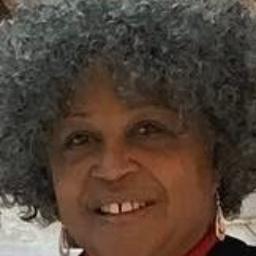
Paula Christian-Stallworth
Compassionate counselor for relationship and recovery challenges
- Credentials
- LPC
- Experience
- 27 years
- Licensed in
- Colorado, Georgia
- Languages
- English
- Format
- Online sessions
About Paula
Paula Christian-Stallworth is a licensed professional counselor who works with adults facing relationship strain, addiction, trauma, and major life transitions. She uses straightforward, practical conversations to help people sort priorities and make manageable changes. Her manner is warm and respectful, aimed at helping people feel seen and heard while they work toward clearer communication and healthier choices.
With 27 years of experience, Paula brings steady clinical knowledge to complicated situations.
Background and approach
She has helped clients with substance use concerns, recovery from sexual assault, and problems stemming from domestic violence. She also supports people dealing with grief, career stress, depression, anxiety, and issues around self-worth. Her practice pays attention to cultural background and unique life stories.
Paula addresses blended family issues, divorce and separation, and communication breakdowns with practical strategies. She also works with veterans and people facing end-of-life or hospice concerns. In sessions she mixes direct, goal-focused tools with listening and compassion.
Techniques include cognitive behavioral ideas to change unhelpful thinking, motivational interviewing to build readiness for change, and mindfulness to reduce stress. Sessions are a partnership where the client’s goals guide the plan. Paula holds a Licensed Professional Counselor credential - CO LPC 0016741 and GA LPC LPC007394 - and practices from Colorado.
Her background is broad, and she aims to provide clear help for real everyday problems.
Approaches that guide online sessions
Client-centered therapy focuses on creating an accepting space where the client’s goals lead the work; the therapist listens deeply and reflects to help people find their own answers and build self-trust. Cognitive behavioral therapy, or CBT, looks at how thoughts, feelings, and actions connect and teaches practical skills to change patterns that cause stress, anxiety, or low mood. Motivational interviewing is a short-term, goal-oriented way to help people find the motivation to make tough changes, often used in addiction and recovery work.Finding the right mix of approaches is a collaborative process. The therapist will talk with each person about goals and preferences and adjust methods as progress is made. That way clients help shape what the work looks like and which tools are used.
Online therapy offers flexibility through video calls, phone sessions, live chat, or text-based messaging. These options make it easier to fit sessions into busy schedules and to keep continuity during life transitions. Licensed professionals can use these formats to provide regular check-ins, teach coping skills, and support steady progress without requiring travel to an office.
Client-Centered Therapy
The direction comes from you rather than from a set programme. The therapist offers a warm, non-judgemental space to think out loud and work at your own pace. Online, this rests on the relationship rather than on being in the same room.
Cognitive Behavioral Therapy (CBT)
CBT looks at the link between what you think, how you feel, and what you do. You work on noticing unhelpful patterns and practising steadier responses. It suits online sessions well, because much of the work happens between appointments and can be talked through from anywhere.
Existential Therapy
Takes the larger questions seriously: meaning, choice, mortality, responsibility. Suited to periods when the difficulty is less a symptom than a sense that something has to change.
Frequently asked questions
What kinds of concerns does Paula address?
What is her general therapy style?
How much clinical experience does she have?
What credentials and region are listed for this therapist?
Which languages are supported for sessions?
What session formats are available?
How is cost handled for sessions?
What are the steps to begin working together?
Specialties and expertise
Top specialties
- Addictions
- Relationship issues
- Family conflicts
Also works with
- Anger management
- Blended family issues
- Career difficulties
- Coaching
- Communication problems
- Depression
- Divorce and separation
- Domestic violence
- Drug and alcohol addiction
- Family problems
- Forgiveness
- Grief
- Hospice and end-of-life counseling
- Life purpose
- Multicultural concerns
- Process addiction (porn, exercise, gambling)
- Self esteem
- Self-harm
- Self-love
- Sexual assault and abuse
- Smoking / vaping cessation
- Stress, Anxiety
- Trauma and abuse
- Veteran and Armed Forces Issues
- Women's issues
- Young adult issues
Therapeutic approaches
- Experience
- 27 years
- Licensed
- Colorado, Georgia
- Languages
- English
Next step
Talk to Paula
- Takes a few minutes
- Nothing to set up just to look
- Stop at any point