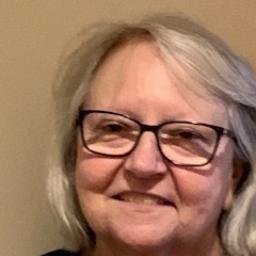
Linda Thomas
Supportive clinical social worker for practical solutions
- Credentials
- LISW-CP
- Experience
- 30 years
- Licensed in
- South Carolina
- Languages
- English
- Format
- Online sessions
About Linda
Linda Thomas is a licensed independent social worker in South Carolina with three decades of experience. She offers straightforward, practical help for people facing stress, anxiety, addictions, depression, and major life changes. Her approach aims to make everyday challenges easier to manage and to help people find clearer priorities and coping steps.
She trained in a Master of Social Work program at Florida State University and began her career with hands-on internships, including work with the Public Defender's Office and an addictions detox facility.
Background and approach
Early on she helped launch one of the first HIV support groups in Atlanta and later provided contracted services for the Department of Defense on military bases in Germany, Norway, and Greenland. Over the years she has worked in many settings, including psychiatric assessments in an emergency department at a Charleston university.
That variety shaped a practical style that draws on several therapy methods. In sessions she uses tools from acceptance and commitment therapy and cognitive behavioral therapy to help people change unhelpful patterns and clarify values. Mindfulness practices and dialectical behavior therapy skills also appear in her work when people need emotion regulation or stress management tools.
Motivational interviewing techniques help when someone is trying to make a change, such as addressing substance use. Linda blends these methods to fit each person’s situation. She works with issues commonly connected to family and parenting concerns and also brings experience with grief, trauma, caregiving stress, bipolar disorder, and relationship problems.
Linda conducts sessions in English and accepts international clients by providing multiple online formats.
Therapy methods and how they work online
Acceptance and Commitment Therapy (ACT) focuses on helping people notice what matters to them and take small steps toward those values while accepting difficult emotions. It is useful for anxiety, depression, and life changes where clarity about priorities matters.Cognitive Behavioral Therapy (CBT) looks at thoughts and behaviors that keep problems stuck and offers practical exercises to shift them. It is commonly used for anxiety, panic, mood issues, and coping with stress.
Dialectical Behavior Therapy (DBT) provides clear skills for managing intense emotions and improving interpersonal effectiveness. It can help with anger, relationship strain, and situations where emotion regulation is a priority.
Finding the right approach is a collaborative process. The therapist will talk with each person about goals and preferences, try methods that fit the situation, and adjust as progress unfolds. Clients and the therapist choose skills and strategies together so therapy feels useful and doable.
Online sessions offer flexibility for busy families and individuals. Linda uses video calls, phone sessions, live chat, and text-based messaging to provide options that fit different schedules and comfort levels. These formats make it easier to keep regular work on skills, follow up between meetings, and maintain continuity when travel or life changes occur.
Acceptance and Commitment Therapy (ACT)
Less about arguing with difficult thoughts, more about loosening their grip and acting on what matters to you anyway. Values and committed action carry the work, which suits conversation at a distance.
Cognitive Behavioral Therapy (CBT)
CBT looks at the link between what you think, how you feel, and what you do. You work on noticing unhelpful patterns and practising steadier responses. It suits online sessions well, because much of the work happens between appointments and can be talked through from anywhere.
Dialectical Behavior Therapy (DBT)
Concrete skills for riding out strong emotion, tolerating distress, and handling relationships without things escalating. The skills are practised in daily life, so between-session support by message or phone fits naturally.
Frequently asked questions
What kinds of problems does she address?
What is her therapy style like?
How long has she been practicing?
What are her credentials and where is she based?
Which languages are supported for sessions?
What session formats are available?
How does payment and cost work?
How do I begin working with her?
Specialties and expertise
Top specialties
- Stress, Anxiety
- Addictions
- Relationship issues
Also works with
- Anger management
- Bipolar disorder
- Career difficulties
- Caregiver issues and stress
- Co-morbidity
- Codependency
- Control issues
- Coping with life changes
- Depression
- Divorce and separation
- Drug and alcohol addiction
- Eating disorders
- Family conflicts
- Family problems
- Forgiveness
- Grief
- HIV / AIDS
- Hospice and end-of-life counseling
- Infidelity
- Intimacy-related issues
- Isolation / loneliness
- LGBT
- Life purpose
- Panic disorder and panic attacks
- Parenting issues
- Personality disorders
- Self esteem
- Smoking / vaping cessation
- Social anxiety and phobia
- Trauma and abuse
- Women's issues
- Workplace issues
Therapeutic approaches
- Experience
- 30 years
- Licensed
- South Carolina
- Languages
- English
Next step
Talk to Linda
- Takes a few minutes to look through
- Nothing to set up just to read
- Stop at any point