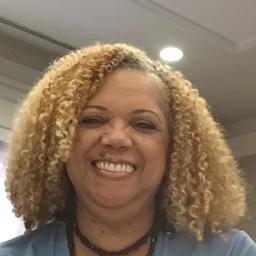
Linda Young
Calm, practical help for life's hard moments
- Credentials
- MD, LCSW-C
- Experience
- 25 years
- Licensed in
- Maryland
- Languages
- English
- Format
- Online sessions
About Linda
Linda Young is a clinician who uses practical, talk-based methods to help people manage stress, anxiety, addiction, grief, and other life challenges. She is an MD and a Licensed Certified Social Worker - Clinical (LCSW-C). Her style is warm and straightforward so people feel heard from the start.
She has practiced mental health care for 25 years, including long work in Boston before moving to Maryland in 2013. That career included psychosocial assessments, mobile crisis work, and treatment across settings such as schools, homes, and residential programs.
Background and approach
More recently she focused on therapy in substance abuse treatment programs, helping adults cope with depression, panic, social anxiety, trauma, and life transitions. Her sessions blend Cognitive Behavioral Therapy, psychodynamic ideas, and trauma-focused techniques. She explains problems plainly and teaches skills clients can try between sessions.
The aim is to build on each person’s strengths while addressing patterns that cause pain. Parents looking for help with family and parenting topics will find practical suggestions and clear communication in sessions. She also addresses issues like grief, anger, caregiver stress, chronic illness, and communication problems.
Sessions emphasize understanding what led to current struggles and taking small steps toward change. Linda believes the relationship matters most. Early sessions focus on safety and trust, and then on a plan that fits each person’s goals and life.
She encourages questions and ongoing feedback so therapy stays useful and focused.
How therapeutic approaches work in online care
Psychodynamic therapy focuses on patterns that started earlier in life and shows how they affect current relationships and feelings. It helps people understand recurring reactions and long-held emotions so they can make different choices in daily life.Cognitive Behavioral Therapy, or CBT, teaches practical skills to change unhelpful thoughts and behaviors. It often includes step-by-step exercises people can practice between sessions to reduce anxiety, depressive symptoms, or problematic habits.
Trauma-Focused Therapy centers on understanding how traumatic events shape reactions and on learning ways to feel more grounded. It combines gentle processing of painful memories with strategies to manage strong emotions and build safety in everyday situations.
Choosing the right approach is part of the work together. Linda will talk with clients about goals, preferences, and what has or hasn’t helped before. That collaboration guides which methods are emphasized and how quickly the plan shifts over time.
Online therapy offers flexibility through video calls, phone sessions, live chat, and text messaging. These formats make it easier to fit sessions into busy family schedules and to continue care across locations. They also allow therapists and clients to use tools and homework between meetings, so progress can happen outside the session as well.
Cognitive Behavioral Therapy (CBT)
CBT looks at the link between what you think, how you feel, and what you do. You work on noticing unhelpful patterns and practising steadier responses. It suits online sessions well, because much of the work happens between appointments and can be talked through from anywhere.
Psychodynamic Therapy
Exploring how earlier relationships and patterns still shape the present, often over a longer stretch of time. It relies on conversation and reflection rather than exercises.
Trauma-Focused Therapy
Work that takes difficult past experience into account and moves at a pace you set, with attention to feeling steady before anything else. Being in your own space can make that easier for some people.
Frequently asked questions
What concerns can she help with?
What is her therapeutic style like?
How much clinical experience does she have?
What credentials and location apply?
Which languages and international options are available?
In what formats are sessions offered?
How does pricing work for sessions?
What are the first steps to begin therapy?
Specialties and expertise
Top specialties
Also works with
- Abandonment
- Aging and geriatric issues
- Anger management
- Attachment issues
- Avoidant personality
- Bipolar disorder
- Career difficulties
- Caregiver issues and stress
- Chronic pain, illness, and disability
- Codependency
- Communication problems
- Coping with life changes
- Coping with natural or human-caused disaster
- Depression
- Drug and alcohol addiction
- Emptiness
- Family conflicts
- Family of origin issues
- Family problems
- Forgiveness
- Grief
- Guilt and shame
- Impulsivity
- Isolation / loneliness
- Midlife crisis
- Mood disorders
- Multicultural concerns
- Obsessions, compulsions, and OCD
- Panic disorder and panic attacks
- Paranoia
- Post-traumatic stress
- Pregnancy and childbirth
- Prejudice and discrimination
- Relationship issues
- Seasonal Affective Disorder (SAD)
- Self esteem
- Self-love
- Sex addiction
- Social anxiety and phobia
- Women's issues
- Workplace issues
Therapeutic approaches
- Experience
- 25 years
- Licensed
- Maryland
- Languages
- English
Next step
Talk to Linda
- Takes a few minutes
- Nothing to set up just to look
- Stop at any point