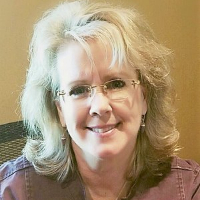
Dr. Karyn Smith
Compassionate psychologist focused on real-life solutions
- Credentials
- MN Psychologist 6271
- Experience
- 25 years
- Licensed in
- Minnesota
- Languages
- English
- Format
- Online sessions
About Karyn
Dr. Karyn Smith uses a blend of practical, evidence-informed approaches to help people manage stress, anxiety, depression, and relationship concerns. She is a Minnesota licensed psychologist, MN Psychologist 6271, and brings 25 years of experience to sessions.
Her style is warm and interactive, focused on clear goals and steady progress. She speaks English and offers multiple online session formats to fit busy schedules. In sessions she listens closely and tailors conversations to each person’s situation.
Background and approach
She draws on cognitive behavioral techniques to spot thought patterns that make problems worse. She also uses Acceptance and Commitment Therapy to help people clarify values and respond differently to difficult feelings. Dr.
Smith has worked with a wide range of concerns, including trauma and abuse, addictions, grief, parenting challenges, sleep and eating issues, ADHD, and intimacy-related problems. She also supports clients facing career changes, caregiver stress, and life transitions. Her background includes many years helping people recover from neglect, physical or sexual trauma, and emotional abuse.
Her approach mixes client-centered listening with structured skill-building. Sessions often include practical skills for coping, communication strategies, and steps to reduce unhelpful behaviors. She adapts methods such as dialectical behavior therapy and the Gottman Method when they match a person’s needs.
People who choose Dr. Smith can expect a collaborative, respectful process. She encourages small, achievable steps and works with clients to build long-term skills.
To begin, clients complete a matching questionnaire and schedule sessions based on availability.
Approaches that translate well to online work
Acceptance and Commitment Therapy (ACT) helps people notice painful thoughts and feelings without getting stuck in them, then choose actions that match their values; it can be useful for anxiety, stress, and life transitions. Cognitive Behavioral Therapy (CBT) focuses on identifying unhelpful thoughts and testing them with practical experiments and skills, which often helps with depression, anxiety, sleep, and eating concerns. The Gottman Method concentrates on improving communication and problem-solving in relationships by teaching specific interaction skills and exercises that couples can practice between sessions.Finding the right approach is part of the process. The therapist collaborates with each person to pick methods that fit their goals, comfort level, and day-to-day life. That means refining the plan over time and combining techniques when that matches the client’s needs.
Online therapy offers flexible ways to meet. Video calls allow face-to-face conversation and visual cues. Phone sessions work for those who prefer voice-only contact. Live chat and text-based messaging let people check in or work through short issues between longer sessions. These options make it easier to fit therapy into busy schedules and to keep progress moving forward.
Acceptance and Commitment Therapy (ACT)
Less about arguing with difficult thoughts, more about loosening their grip and acting on what matters to you anyway. Values and committed action carry the work, which suits conversation at a distance.
Client-Centered Therapy
The direction comes from you rather than from a set programme. The therapist offers a warm, non-judgemental space to think out loud and work at your own pace. Online, this rests on the relationship rather than on being in the same room.
Cognitive Behavioral Therapy (CBT)
CBT looks at the link between what you think, how you feel, and what you do. You work on noticing unhelpful patterns and practising steadier responses. It suits online sessions well, because much of the work happens between appointments and can be talked through from anywhere.
Frequently asked questions
What kinds of problems does she address?
What is her therapeutic style and approach?
How much experience does she have?
Where is she licensed and based?
In which language are sessions offered?
What session formats are available?
How are fees and payment handled?
What should I do to get started?
Specialties and expertise
Top specialties
- Stress, Anxiety
- Relationship issues
- Trauma and abuse
Also works with
- Addictions
- ADHD
- Aging and geriatric issues
- Anger management
- Antisocial personality
- Attachment issues
- Autism and Asperger Syndrome
- Bipolar disorder
- Body image
- Career difficulties
- Caregiver issues and stress
- Coaching
- Codependency
- Communication problems
- Compassion fatigue
- Coping with life changes
- Depression
- Divorce and separation
- Domestic violence
- Drug and alcohol addiction
- Eating and food-related issues
- Eating disorders
- Family conflicts
- Family of origin issues
- Fertility issues
- Gender dysphoria
- Grief
- Infidelity
- Intellectual disability
- Intimacy-related issues
- LGBT
- Life purpose
- Midlife crisis
- Parenting issues
- Personality disorders
- Post-traumatic stress
- Process addiction (porn, exercise, gambling)
- Seasonal Affective Disorder (SAD)
- Self esteem
- Self-harm
- Sexual assault and abuse
- Sexuality
- Sleeping disorders
- Social anxiety and phobia
- Traumatic brain injury
- Workplace issues
Therapeutic approaches
- Experience
- 25 years
- Licensed
- Minnesota
- Languages
- English
Next step
Talk to Karyn
- Takes a few minutes
- Nothing to set up just to look
- Stop at any point