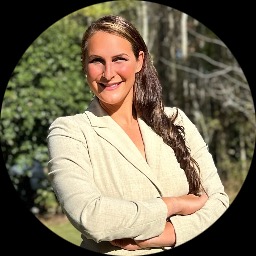
Faith Sanders
Calm, practical support for family and life changes
- Credentials
- LMHC
- Experience
- 9 years
- Licensed in
- Florida, Massachusetts
- Languages
- English
- Format
- Online sessions
About Faith
Faith Sanders is a licensed mental health counselor who helps people facing grief, depression, anxiety, relationship strain, and parenting challenges. She also supports those dealing with addiction, trauma, and stress. Her focus includes concerns around self-esteem, anger, and life transitions.
Faith presents a steady, practical presence for parents and individuals trying to sort through hard moments. She uses plain, goal-oriented conversation to uncover what matters most to each person. Sessions often focus on small, doable steps that reduce overwhelm and improve communication.
Background and approach
Faith teaches tools people can use at home to manage mood, reduce conflict, and handle tough emotions. Her training includes therapies that combine thought work, acceptance, and skill building. She draws on Cognitive Behavioral Therapy (CBT) to spot unhelpful thinking patterns and on Acceptance and Commitment Therapy (ACT) to clarify values and goals.
Dialectical Behavior Therapy (DBT) and mindfulness techniques are used for emotional regulation and staying present. Faith has nine years of clinical experience and holds the credential LMHC, which stands for Licensed Mental Health Counselor. She practices in Florida and works with a broad range of common life and mood concerns.
Her style is straightforward, compassionate, and focused on practical change. People who want coaching around parenting, blended family issues, or coping after loss can expect concrete strategies and step-by-step plans. Faith aims to help people find more ease in daily life and clearer paths forward.
Approaches that guide online sessions
Acceptance and Commitment Therapy, or ACT, helps people clarify what matters most to them and take small actions toward those values. It is useful when you feel stuck by worry, low mood, or hard life changes. Cognitive Behavioral Therapy, or CBT, focuses on identifying and changing unhelpful thoughts and behaviors. It is often used for anxiety, depression, and for learning new coping skills. Dialectical Behavior Therapy, DBT, teaches practical skills for managing intense emotions and improving communication in stressful situations.Choosing the right method is a shared process. The therapist will talk with each person about goals, preferences, and what has or has not helped in the past. Together they try approaches and adjust strategies until something feels workable and clear.
Online sessions can take place by video calls, phone, live chat, or text-based messaging to fit busy family schedules. These options let people access therapy from home, coordinate sessions around childcare, and keep progress going between appointments. The range of formats supports flexible scheduling and easier follow-through while working toward clearer days and better coping skills.
Acceptance and Commitment Therapy (ACT)
Less about arguing with difficult thoughts, more about loosening their grip and acting on what matters to you anyway. Values and committed action carry the work, which suits conversation at a distance.
Cognitive Behavioral Therapy (CBT)
CBT looks at the link between what you think, how you feel, and what you do. You work on noticing unhelpful patterns and practising steadier responses. It suits online sessions well, because much of the work happens between appointments and can be talked through from anywhere.
Dialectical Behavior Therapy (DBT)
Concrete skills for riding out strong emotion, tolerating distress, and handling relationships without things escalating. The skills are practised in daily life, so between-session support by message or phone fits naturally.
Frequently asked questions
What problems does Faith address in sessions?
How would you describe her therapy style?
What background and experience does she bring?
What credentials and where is she licensed?
In which languages can sessions be held?
What formats are available for meeting?
How is cost handled for sessions?
How do I begin therapy with her?
Specialties and expertise
Top specialties
- Addictions
- Relationship issues
- Trauma and abuse
Also works with
- Anger management
- Bipolar disorder
- Blended family issues
- Body image
- Career difficulties
- Co-morbidity
- Coaching
- Codependency
- Communication problems
- Compassion fatigue
- Control issues
- Coping with life changes
- Dependent personality
- Depression
- Drug and alcohol addiction
- Eating and food-related issues
- Family conflicts
- Family problems
- Forgiveness
- Grief
- Guilt and shame
- Isolation / loneliness
- LGBT
- Life purpose
- Mood disorders
- Multicultural concerns
- Panic disorder and panic attacks
- Parenting issues
- Post-traumatic stress
- Postpartum depression
- Pregnancy and childbirth
- Seasonal Affective Disorder (SAD)
- Self esteem
- Self-love
- Smoking / vaping cessation
- Social anxiety and phobia
- Stress, Anxiety
- Women's issues
Therapeutic approaches
- Experience
- 9 years
- Licensed
- Florida, Massachusetts
- Languages
- English
Next step
Talk to Faith
- Takes a few minutes
- Nothing to set up just to look
- Stop at any point