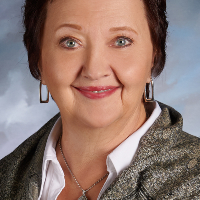
Ellen Shafer-Lind
Compassionate family-focused clinical care
- Credentials
- LIMHP
- Experience
- 36 years
- Licensed in
- Nebraska
- Languages
- English
- Format
- Online sessions
About Ellen
Ellen Shafer-Lind is a licensed independent mental health practitioner (LIMHP) in Nebraska who focuses on family and parenting concerns alongside many individual issues. She helps people work through stress, anxiety, grief, relationship and intimacy problems, addictions, depression, and major life changes. Her style aims to be straightforward and compassionate so parents and partners can find clearer ways forward.
She combines practical techniques with listening and reflection. Ellen often uses Cognitive Behavioral Therapy, which looks at how thoughts and actions affect feelings.
Background and approach
She also draws on client-centered and psychodynamic ideas when they fit the person’s situation. Solution-focused steps are used when people want direct, short-term goals. Her approach is collaborative.
She talks with clients about goals, tries methods that match their needs, and adjusts the plan as therapy proceeds. Sessions emphasize problem solving, skill building, and understanding patterns that affect family life and relationships.
Ellen has worked in counseling for over three decades and has experience with grief work, veterans issues through time at the Veterans Health Administration, and with a variety of family situations including blended families and caregiving stress. She trained with a Master of Social Work from the University of Nebraska at Omaha and maintains her LIMHP credential.
In practice she offers a mix of therapy formats and tailors pace to each person. Her aim is to help people gain coping tools and clearer perspectives so they can manage family stresses and move toward more stable relationships.
Therapeutic approaches for online family and relationship work
Client-centered therapy focuses on understanding each person’s perspective and responding with empathy. It helps when people need a respectful space to talk through feelings and figure out what matters most to them.Cognitive Behavioral Therapy or CBT looks at how thoughts and behaviors affect moods and actions. It teaches concrete strategies to change unhelpful thinking patterns and develop new coping skills, which can help with anxiety, depression, and stress related to family life.
Psychodynamic therapy pays attention to patterns that repeat over time and how family history shapes current relationships. It can help people understand deeper influences on their choices and reactions.
Finding the right approach is part of the work. The therapist will discuss options and try methods that fit the client’s goals, needs, and preferences. This is a collaborative process and adjustments are made as progress is observed.
Online therapy offers flexible ways to meet. Video calls let people interact much like an in-person session, while phone sessions may suit those who prefer voice only. Live chat and text-based messaging provide shorter, more frequent check-ins or a way to stay connected between longer appointments. These options make it easier to fit therapy into busy family schedules and to access help across different locations.
Client-Centered Therapy
The direction comes from you rather than from a set programme. The therapist offers a warm, non-judgemental space to think out loud and work at your own pace. Online, this rests on the relationship rather than on being in the same room.
Cognitive Behavioral Therapy (CBT)
CBT looks at the link between what you think, how you feel, and what you do. You work on noticing unhelpful patterns and practising steadier responses. It suits online sessions well, because much of the work happens between appointments and can be talked through from anywhere.
Psychodynamic Therapy
Exploring how earlier relationships and patterns still shape the present, often over a longer stretch of time. It relies on conversation and reflection rather than exercises.
Frequently asked questions
What kinds of problems does Ellen work with?
How would you describe her therapy style?
What is her professional background?
What are her credentials and where is she based?
Which languages are available for sessions?
What formats are available for meeting online?
How does payment and cost work for online sessions?
What steps do I take to begin therapy?
Specialties and expertise
Top specialties
- Stress, Anxiety
- Family conflicts
- Grief
Also works with
- Addictions
- Aging and geriatric issues
- Anger management
- Bipolar disorder
- Blended family issues
- Body image
- Career difficulties
- Caregiver issues and stress
- Coaching
- Codependency
- Communication problems
- Compassion fatigue
- Control issues
- Coping with life changes
- Dependent personality
- Depression
- Divorce and separation
- Domestic violence
- Eating and food-related issues
- Eating disorders
- Emptiness
- Family of origin issues
- Family problems
- Fatherhood issues
- First responder issues
- Guilt and shame
- Hospice and end-of-life counseling
- Infidelity
- Intimacy-related issues
- Isolation / loneliness
- Jealousy
- Life purpose
- Men's issues
- Midlife crisis
- Obsessions, compulsions, and OCD
- Phobias
- Post-traumatic stress
- Postpartum depression
- Process addiction (porn, exercise, gambling)
- Relationship issues
- Seasonal Affective Disorder (SAD)
- Self esteem
- Self-harm
- Self-love
- Sexual dysfunction
- Sexuality
- Social anxiety and phobia
- Trauma and abuse
- Veteran and Armed Forces Issues
- Women's issues
- Workplace issues
Therapeutic approaches
- Experience
- 36 years
- Licensed
- Nebraska
- Languages
- English
Next step
Talk to Ellen
- Takes a few minutes
- Nothing to set up just to look
- Stop at any point