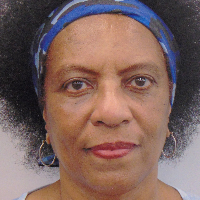
Ednina Welters
Practical, person-centered therapy for everyday struggles
- Credentials
- LCPC
- Experience
- 11 years
- Licensed in
- Illinois
- Languages
- English
- Format
- Online sessions
About Ednina
Ednina Welters is an Illinois Licensed Clinical Professional Counselor (LCPC) who focuses on straightforward, practical therapy. She often draws on Cognitive Behavioral Therapy to help people change unhelpful thoughts and behaviors. She also uses Acceptance and Commitment Therapy and Dialectical Behavior Therapy techniques when they fit a person’s needs.
Ednina writes plainly and aims to make sessions clear and actionable for clients. She works with adults facing stress, anxiety, depression, addictions, relationship struggles, and changes in life.
Background and approach
She also focuses on issues such as grief, intimacy, bipolar disorder, and ADHD. Sessions tend to center on what feels most pressing for the client and on steps that can be tried between meetings. Her approach is collaborative and person-centered.
That means she believes people have the ability to grow and that therapy works best when therapist and client set realistic goals together. In practice she listens, reflects, and helps identify small, practical changes to try. Ednina has 11 years of experience and holds an Illinois LCPC license, number IL LCPC 180.007504.
Her background includes helping people with communication problems, control issues, commitment worries, and caregiver stress. She keeps language plain and uses methods like CBT, ACT, DBT, and elements of the Gottman Method when relationship work is needed. Conversations with Ednina focus on clear steps, workable strategies, and real-life changes.
She aims to make therapy feel like a partnership where clients leave with tools they can use the same week.
How therapeutic approaches translate to online care
Acceptance and Commitment Therapy (ACT) helps people accept difficult feelings while committing to actions that match their values; it is useful for stress, anxiety, and coping with life changes. Cognitive Behavioral Therapy (CBT) focuses on identifying and changing the thoughts and behaviors that keep problems going, which can help with depression, anxiety, and addictive patterns. Dialectical Behavior Therapy (DBT) teaches skills for emotion regulation, distress tolerance, and clearer communication, which can be helpful for intense emotions and relationship conflicts.Deciding which approach to use is a collaborative step. The therapist will discuss your goals, try techniques that fit your situation, and adjust the plan as you learn what helps. That process means you and the therapist test what works together rather than committing to a single method from the start.
Online sessions through video calls, phone, live chat, or text-based messaging give flexibility for busy schedules and for people who prefer not to travel. These formats let clients practice skills between sessions and check in more easily when life gets hectic. Working online still allows therapists to teach coping tools, coach through tense moments, and work on relationship and family topics in a practical, hands-on way.
Acceptance and Commitment Therapy (ACT)
Less about arguing with difficult thoughts, more about loosening their grip and acting on what matters to you anyway. Values and committed action carry the work, which suits conversation at a distance.
Client-Centered Therapy
The direction comes from you rather than from a set programme. The therapist offers a warm, non-judgemental space to think out loud and work at your own pace. Online, this rests on the relationship rather than on being in the same room.
Cognitive Behavioral Therapy (CBT)
CBT looks at the link between what you think, how you feel, and what you do. You work on noticing unhelpful patterns and practising steadier responses. It suits online sessions well, because much of the work happens between appointments and can be talked through from anywhere.
Frequently asked questions
What concerns does this therapist help with?
What is her general therapy style?
How much experience does she have?
What credentials and location apply?
Which languages are supported for sessions?
What session formats are offered?
How are fees and billing handled?
How do I begin working with this therapist?
Specialties and expertise
Top specialties
- Stress, Anxiety
- Addictions
- Anger management
Also works with
- Abandonment
- ADHD
- Aging and geriatric issues
- Antisocial personality
- Attachment issues
- Autism and Asperger Syndrome
- Avoidant personality
- Bipolar disorder
- Body image
- Career difficulties
- Caregiver issues and stress
- Chronic pain, illness, and disability
- Co-morbidity
- Codependency
- Commitment issues
- Communication problems
- Control issues
- Coping with life changes
- Dependent personality
- Depression
- Disruptive Mood Dysregulation Disorder (DMDD)
- Domestic violence
- Drug and alcohol addiction
- Eating and food-related issues
- Emptiness
- Family conflicts
- Family of origin issues
- Family problems
- Gender dysphoria
- Grief
- Guilt and shame
- Impulsivity
- Infidelity
- Intellectual disability
- Intimacy-related issues
- Isolation / loneliness
- Life purpose
- Men's issues
- Money and financial issues
- Mood disorders
- Narcissism
- Obsessions, compulsions, and OCD
- Panic disorder and panic attacks
- Paranoia
- Phobias
- Post-traumatic stress
- Postpartum depression
- Process addiction (porn, exercise, gambling)
- Relationship issues
- Seasonal Affective Disorder (SAD)
- Self esteem
- Self-harm
- Smoking / vaping cessation
- Social anxiety and phobia
- Trauma and abuse
- Trichotillomania
- Women's issues
- Workplace issues
- Young adult issues
Therapeutic approaches
- Experience
- 11 years
- Licensed
- Illinois
- Languages
- English
Next step
Talk to Ednina
- Takes a few minutes
- Nothing to set up just to look
- Stop at any point