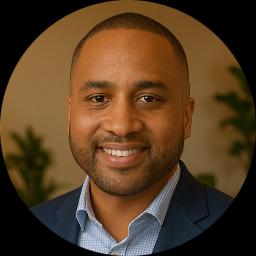
Donny Simpson
Practical therapy for relationship and life challenges
- Credentials
- LMFT
- Experience
- 6 years
- Licensed in
- California
- Languages
- English
- Format
- Online sessions
About Donny
Donny Simpson is a licensed marriage and family therapist who focuses on practical help for people facing relationship and life challenges. He aims to make therapy straightforward and useful. He meets people where they are and emphasizes clear steps they can take between sessions.
In sessions he listens first and then helps clients map small changes that matter. He uses talk, skills practice, and simple exercises rather than long explanations.
Background and approach
Common topics he addresses include addiction, relationship strain, stress and anxiety, grief, intimacy concerns, trauma and abuse, and issues related to identity and sexual orientation. Donny draws from several evidence-based methods. He blends attachment ideas to look at how past bonds shape current patterns.
He also uses cognitive behavioral techniques to identify and change unhelpful thoughts and behaviors. Mindfulness practices are added when grounding and present-moment awareness will help reduce reactivity. Across his work he keeps a calm, respectful tone and focuses on what clients want to change.
He has six years of clinical experience and holds the California license LMFT 114365 - Licensed Marriage and Family Therapist. He offers sessions in English and works with people located in California. Practical details are straightforward: sessions can be scheduled by completing a short matching questionnaire and picking a time.
Therapy subscriptions can be canceled at any time and session formats include video calls, phone, live chat, and text-based messaging.
Approaches that guide online sessions
Attachment-based work looks at how early connections influence current patterns in relationships. It helps people notice why they react a certain way with partners or close others and supports building more supported ways of relating. Cognitive Behavioral Therapy, or CBT, focuses on identifying unhelpful thoughts and testing small behavior changes to reduce anxiety, depression, or problematic habits. Mindfulness therapy teaches simple attention and breathing practices to calm the body and reduce reactivity in stressful moments.
Choosing the right approach is part of the work. The therapist will talk with each person about goals, preferences, and what has or hasn’t helped before. Together they decide which methods to try and adjust the plan as progress is made.
Online formats allow the same therapeutic work without needing to travel. Video calls support face-to-face conversation and nonverbal cues. Phone sessions provide flexibility when video isn’t possible. Live chat and text messaging let clients check in between sessions or use brief coaching-style support. These options make it easier to fit therapy into a busy life while still using attachment, CBT, and mindfulness techniques in practical ways.
Attachment-Based Therapy
Looks at how early bonds shaped what you expect from closeness, and how that plays out now with a partner, a parent, or your own children.
Client-Centered Therapy
The direction comes from you rather than from a set programme. The therapist offers a warm, non-judgemental space to think out loud and work at your own pace. Online, this rests on the relationship rather than on being in the same room.
Cognitive Behavioral Therapy (CBT)
CBT looks at the link between what you think, how you feel, and what you do. You work on noticing unhelpful patterns and practising steadier responses. It suits online sessions well, because much of the work happens between appointments and can be talked through from anywhere.
Frequently asked questions
What kinds of problems does he help with?
What is his general therapy style?
What training and experience does he have?
Where is the therapist located and licensed?
Which languages are sessions offered in?
Can people outside the United States work with him?
How do sessions work and what formats are available?
How much does therapy cost and how do subscriptions work?
Specialties and expertise
Top specialties
- Addictions
- LGBT
- Relationship issues
Also works with
- Adoption and foster care
- Anger management
- Body image
- Career difficulties
- Codependency
- Communication problems
- Coping with life changes
- Dependent personality
- Depression
- Divorce and separation
- Domestic violence
- Drug and alcohol addiction
- Eating and food-related issues
- Family conflicts
- Family problems
- Fatherhood issues
- Forgiveness
- Gender dysphoria
- Grief
- Guilt and shame
- HIV / AIDS
- Intimacy-related issues
- Isolation / loneliness
- Jealousy
- Men's issues
- Money and financial issues
- Narcissism
- Obsessions, compulsions, and OCD
- Panic disorder and panic attacks
- Pregnancy and childbirth
- Self-love
- Sex addiction
- Sexual dysfunction
- Sexuality
- Social anxiety and phobia
- Stress, Anxiety
- Trauma and abuse
- Workplace issues
- Young adult issues
Therapeutic approaches
- Experience
- 6 years
- Licensed
- California
- Languages
- English
Next step
Talk to Donny
- Takes a few minutes
- Nothing to set up just to look
- Stop at any point