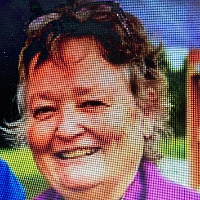
Diana Lively
Restoring family balance with practical care
- Credentials
- LPC
- Experience
- 16 years
- Licensed in
- Oklahoma
- Languages
- English
- Format
- Online sessions
About Diana
Diana Lively is a Licensed Professional Counselor (LPC) in Oklahoma who focuses on family and parenting concerns along with stress, anxiety, addictions, grief, and relationship issues. She helps people understand patterns that keep struggles repeating and supports practical steps toward healthier routines. Her approach is compassionate and straightforward, designed for parents and families seeking usable tools rather than jargon.
Diana draws on 16 years of experience in mental health work.
Background and approach
Diana earned graduate degrees that inform her work with substance use and recovery. She has experience in community mental health and court-related rehabilitation programs. That background shaped her skills in relapse prevention, group education, and working with co-occurring mental health and substance concerns.
In sessions she uses Cognitive Behavioral Therapy, Acceptance and Commitment Therapy, and attachment-based ideas to help people notice thoughts and patterns, try new behaviors, and repair relationships. She blends evidence-based techniques with a wellness mindset and mindfulness practices. Diana also teaches skills in communication, boundary setting, and emotion regulation.
Family-focused work centers on helping family members see their roles and improve how they interact. She uses psychoeducation to name dysfunctional patterns and then builds small, doable steps toward healthier connections. The goal is clearer communication, better problem-solving, and more time spent on shared values.
Diana leads outpatient recovery and prevention groups and facilitates discussions on relapse planning. She is certified to perform drug and alcohol assessments and has training in crisis work and suicide prevention. Her style is practical, grounded, and geared toward steady progress for individuals and families.
How Diana’s Approaches Translate to Online Care
Acceptance and Commitment Therapy (ACT) encourages people to notice difficult thoughts and feelings without getting stuck in them, then choose actions that reflect what matters most. It can help with anxiety, depression, and life changes by focusing on values and small steps. Cognitive Behavioral Therapy (CBT) looks at the link between thoughts, feelings, and actions and teaches concrete skills for changing unhelpful patterns. CBT is useful for anxiety, depression, sleep problems, and managing cravings or compulsive behaviors. Attachment-Based Therapy explores relationship patterns formed over time and helps people strengthen trust, boundaries, and communication in families and partnerships. This approach supports repairing connection and improving how members relate to one another.Choosing the right approach is a collaborative process. Diana will discuss goals and try methods that fit each person or family. If one approach does not help, she adjusts strategies and mixes techniques to match what works in real life.
Online formats make it easier to attend sessions when life is busy. Video calls let people meet face-to-face from home, phone sessions work when video is not possible, and live chat or text messaging can support brief check-ins or skill practice between sessions. These options offer flexibility for parents, caregivers, and anyone juggling schedules while seeking steady, skills-focused therapy.
Acceptance and Commitment Therapy (ACT)
Less about arguing with difficult thoughts, more about loosening their grip and acting on what matters to you anyway. Values and committed action carry the work, which suits conversation at a distance.
Attachment-Based Therapy
Looks at how early bonds shaped what you expect from closeness, and how that plays out now with a partner, a parent, or your own children.
Client-Centered Therapy
The direction comes from you rather than from a set programme. The therapist offers a warm, non-judgemental space to think out loud and work at your own pace. Online, this rests on the relationship rather than on being in the same room.
Frequently asked questions
What concerns does she commonly address?
What is her general therapy style?
What kind of experience does she have?
What credentials and location apply?
Which languages are sessions offered in?
What session formats are available?
How are costs and payment handled?
How do I get started with therapy?
Specialties and expertise
Top specialties
- Stress, Anxiety
- Addictions
- Relationship issues
Also works with
- ADHD
- Aging and geriatric issues
- Anger management
- Bipolar disorder
- Career difficulties
- Caregiver issues and stress
- Coaching
- Codependency
- Communication problems
- Compassion fatigue
- Coping with life changes
- Depression
- Drug and alcohol addiction
- Eating disorders
- Family conflicts
- Family problems
- Grief
- Guilt and shame
- Intimacy-related issues
- Isolation / loneliness
- LGBT
- Life purpose
- Obsessions, compulsions, and OCD
- Parenting issues
- Seasonal Affective Disorder (SAD)
- Self esteem
- Self-love
- Sleeping disorders
- Smoking / vaping cessation
- Social anxiety and phobia
- Somatization
- Trauma and abuse
Therapeutic approaches
- Acceptance and Commitment Therapy (ACT)
- Attachment-Based Therapy
- Client-Centered Therapy
- Cognitive Behavioral Therapy (CBT)
- Dialectical Behavior Therapy (DBT)
- Existential Therapy
- Jungian Therapy
- Mindfulness Therapy
- Motivational Interviewing
- Narrative Therapy
- Solution-Focused Therapy
- Somatic Therapy
- Trauma-Focused Therapy
- Internal Family Systems
- Experience
- 16 years
- Licensed
- Oklahoma
- Languages
- English
Next step
Talk to Diana
- Takes a few minutes
- Nothing to set up just to look
- Stop at any point