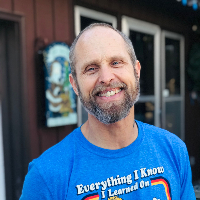
David Krych
Supportive LCSW for family and parenting concerns
- Credentials
- LCSW
- Experience
- 19 years
- Licensed in
- Wisconsin
- Languages
- English
- Format
- Online sessions
About David
David Krych is a Licensed Clinical Social Worker (LCSW) based in Wisconsin. He focuses on family and parenting concerns alongside stress, anxiety, addictions, grief, depression, and other life challenges. He draws on nearly two decades of clinical experience to support people who want practical help and clearer direction.
He keeps sessions straightforward and grounded. He listens for the goals a person brings and uses that to shape each conversation. His style centers on respect, empathy, and helping people notice the strengths they already have.
Background and approach
David’s path includes long experience in counseling and a personal recovery journey from alcohol and addiction. That lived experience informs how he talks about substance use, relapse, and recovery planning. He emphasizes learning practical skills while also attending to meaning and values.
Therapy often involves learning new ways to manage emotions, improving communication, and setting realistic steps toward change. He uses tools from cognitive behavioral techniques and emotion-focused work to help with patterns of thinking and relationship strains. Motivational interviewing and client-centered methods guide how he supports motivation and personal choice.
People who come to him can expect a calm, direct approach with attention to what they want to accomplish. He invites clients to explore self-acceptance and to build habits that match their goals. The aim is steady, usable progress rather than quick fixes.
How therapeutic approaches shape online care
Client-Centered Therapy is about creating a respectful, nonjudgmental space where the client sets the pace and topics. It helps people who want to be heard and to make choices based on their own values.Cognitive Behavioral Therapy, or CBT, focuses on spotting unhelpful thoughts and testing small behavioral changes. It is useful for anxiety, depression, and patterns that get in the way of daily life.
Emotionally-Focused Therapy aims to identify and shift patterns in emotions and relationships. It can help people who want clearer emotional communication and stronger connections.
Choosing the right approach is part of the work. The therapist will collaborate with each person to try methods that fit their goals, needs, and comfort. If something isn’t working, adjustments are made together so therapy stays useful.
Online sessions offer flexibility through video calls, phone sessions, live chat, or text-based messaging. These options make it easier to fit therapy into busy family schedules and to keep continuity when life is unpredictable. Licensed professionals can use these formats to practice the approaches above while focusing on practical steps and steady progress.
Client-Centered Therapy
The direction comes from you rather than from a set programme. The therapist offers a warm, non-judgemental space to think out loud and work at your own pace. Online, this rests on the relationship rather than on being in the same room.
Cognitive Behavioral Therapy (CBT)
CBT looks at the link between what you think, how you feel, and what you do. You work on noticing unhelpful patterns and practising steadier responses. It suits online sessions well, because much of the work happens between appointments and can be talked through from anywhere.
Emotionally-Focused Therapy (EFT)
Attends to the emotions underneath a recurring argument or distance, and to the attachment needs driving them. Often used where a relationship keeps returning to the same painful loop.
Frequently asked questions
What concerns does he address?
What is his therapeutic style like?
How long has he been practicing?
What are his credentials and where is he located?
Which languages are offered for sessions?
What session formats are available?
How are sessions paid for?
How do I begin working with him?
Specialties and expertise
Top specialties
Also works with
- Abandonment
- Anger management
- Bipolar disorder
- Body image
- Caregiver issues and stress
- Co-morbidity
- Coaching
- Codependency
- Communication problems
- Compassion fatigue
- Coping with life changes
- Depression
- Drug and alcohol addiction
- Eating disorders
- Emptiness
- Family conflicts
- Family of origin issues
- Family problems
- Fatherhood issues
- Forgiveness
- Grief
- Guilt and shame
- Isolation / loneliness
- Life purpose
- Men's issues
- Midlife crisis
- Parenting issues
- Relationship issues
- Seasonal Affective Disorder (SAD)
- Self-love
- Social anxiety and phobia
- Trauma and abuse
- Workplace issues
Therapeutic approaches
- Experience
- 19 years
- Licensed
- Wisconsin
- Languages
- English
Next step
Talk to David
- Takes a few minutes
- Nothing to set up just to look
- Stop at any point