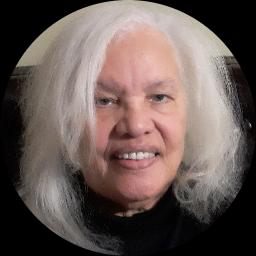
Amaryllis Thomas
Calm, practical care for everyday struggles
- Credentials
- LPC
- Experience
- 23 years
- Licensed in
- Michigan
- Languages
- English
- Format
- Online sessions
About Amaryllis
Amaryllis Thomas is a licensed professional counselor with more than two decades of clinical experience. She takes a straightforward, client-centered approach that helps people talk through stress, anxiety, addiction concerns, and low self-esteem. Her style is warm and direct, with an emphasis on building trust so people feel comfortable sharing difficult thoughts and feelings.
She uses practical tools from cognitive behavioral therapy to identify unhelpful thinking and to try different behaviors.
Background and approach
Dialectical behavior therapy skills and mindfulness practices are woven in when they suit the problem at hand. Narrative therapy techniques help people reframe painful stories and find more hopeful ways to describe themselves. Amaryllis has worked across many challenges that often overlap in real life, including depression, sleep problems, parenting strain, relationship conflict, trauma and abuse, and issues tied to addiction.
She also helps people facing life changes such as divorce, caregiving and bereavement, or career shifts. Her breadth of experience includes work with first responder issues and compassion fatigue. Her approach is collaborative and paced to each person's needs.
Sessions focus on clear goals, skill building, and everyday strategies that can be tried between meetings. People who prefer practical steps alongside reflective conversation may find this approach helpful. Amaryllis practices in Michigan and conducts sessions in English.
She welcomes people with varied backgrounds and encourages anyone curious about beginning therapy to take the next step.
How these approaches translate to online sessions
Client-centered therapy focuses on listening and responding to each person's concerns, helping them feel heard and guiding the conversation where they want it to go. Cognitive behavioral therapy (CBT) looks at patterns of thought and behavior and uses simple exercises and experiments to test new ways of coping. Dialectical behavior therapy (DBT) teaches practical skills for managing strong emotions and improving relationships, often through step-by-step techniques.Finding the right blend of approaches is part of therapy. The therapist will work together with the person to choose methods that match goals, preferences, and the issues at hand. That collaboration means techniques can shift over time as needs change.
Confirm current session options before booking to know which formats are offered. Online therapy can make it easier to fit sessions into a busy life, such as scheduling around work, avoiding travel time, or choosing a shorter check-in when a full session is not needed. It can also allow continued work when routines are disrupted. Licensed professionals can adapt CBT exercises, DBT skill coaching, and client-centered conversation to an online setting so people can practice skills between meetings and track progress over time.
Client-Centered Therapy
The direction comes from you rather than from a set programme. The therapist offers a warm, non-judgemental space to think out loud and work at your own pace. Online, this rests on the relationship rather than on being in the same room.
Cognitive Behavioral Therapy (CBT)
CBT looks at the link between what you think, how you feel, and what you do. You work on noticing unhelpful patterns and practising steadier responses. It suits online sessions well, because much of the work happens between appointments and can be talked through from anywhere.
Dialectical Behavior Therapy (DBT)
Concrete skills for riding out strong emotion, tolerating distress, and handling relationships without things escalating. The skills are practised in daily life, so between-session support by message or phone fits naturally.
Frequently asked questions
What concerns does Amaryllis address?
How would you describe her therapeutic style?
How much experience does she bring?
What are her credentials and where is she based?
Are sessions offered in any other languages?
Can people outside the United States work with her?
How are fees and payment handled?
What do I need to do to start therapy?
Specialties and expertise
Top specialties
Also works with
- Abandonment
- ADHD
- Adoption and foster care
- Anger management
- Attachment issues
- Bipolar disorder
- Career difficulties
- Coaching
- Codependency
- Compassion fatigue
- Coping with life changes
- Dependent personality
- Depression
- Divorce and separation
- Drug and alcohol addiction
- Emptiness
- Family conflicts
- Family problems
- First responder issues
- Forgiveness
- Guilt and shame
- Hospice and end-of-life counseling
- Infidelity
- Isolation / loneliness
- Jealousy
- Life purpose
- Multicultural concerns
- Parenting issues
- Post-traumatic stress
- Relationship issues
- Self-love
- Sleeping disorders
- Smoking / vaping cessation
- Social anxiety and phobia
- Trauma and abuse
Therapeutic approaches
- Experience
- 23 years
- Licensed
- Michigan
- Languages
- English
Next step
Talk to Amaryllis
- Takes a few minutes
- Nothing to set up just to look
- Stop at any point