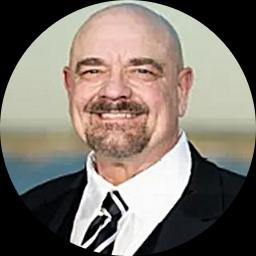
Thomas Collins
Calm, practical counseling for life's challenges
- Credentials
- LPC
- Experience
- 20 years
- Licensed in
- Texas
- Languages
- English
- Format
- Online sessions
About Thomas
Thomas Collins is a Licensed Professional Counselor (LPC) in Texas with 20 years of experience. He helps people manage stress, anxiety, addictions, grief, depression, and mood concerns like bipolar disorder. He also supports clients dealing with parenting, intimacy-related concerns, sleep and eating problems, career questions, and life transitions.
He uses a straightforward, respectful style in sessions. Conversations are tailored to each person. He aims to listen first, then work with clients to set realistic goals and steps.
Background and approach
Thomas emphasizes practical tools that can be used between appointments. Thomas draws on several therapy methods to match the situation. Cognitive Behavioral Therapy (CBT) helps identify thought patterns that affect mood and behavior.
Client-Centered Therapy focuses on listening and creating a supportive space where the client sets the pace. He also uses Existential and Jungian ideas when exploring meaning, identity, or deeper personal themes. Hypnotherapy may be offered as an adjunct for certain issues like habit change or managing anxiety symptoms.
Thomas will explain options and help decide what fits best for each person. Sessions may include talk interventions, skill-building exercises, and practical coaching around daily routines. He aims to help people find clearer ways to cope, restore balance, and move toward goals in daily life.
Therapy Approaches and How They Work Online
Client-Centered Therapy centers on listening and creating a respectful, nonjudgmental space where the client guides the pace. It helps people who need steady support while they sort through decisions or emotions. Cognitive Behavioral Therapy, or CBT, focuses on identifying unhelpful thoughts and testing small behavior changes. It is useful for anxiety, depression, and stress by teaching clear tools to change day-to-day reactions.Finding the right approach is part of the work. The therapist will talk with each person about their goals and preferences, then suggest one or a blend of methods. That choice is collaborative and can change as progress is made or needs shift.
Online formats include video calls, phone sessions, live chat, and text-based messaging to offer flexible options. These formats make it easier to fit therapy into a busy schedule and keep continuity when travel or work gets in the way. Using these tools, sessions can focus on skill practice, short exercises, coaching on daily routines, and regular check-ins to keep momentum toward goals.
Client-Centered Therapy
The direction comes from you rather than from a set programme. The therapist offers a warm, non-judgemental space to think out loud and work at your own pace. Online, this rests on the relationship rather than on being in the same room.
Cognitive Behavioral Therapy (CBT)
CBT looks at the link between what you think, how you feel, and what you do. You work on noticing unhelpful patterns and practising steadier responses. It suits online sessions well, because much of the work happens between appointments and can be talked through from anywhere.
Existential Therapy
Takes the larger questions seriously: meaning, choice, mortality, responsibility. Suited to periods when the difficulty is less a symptom than a sense that something has to change.
Frequently asked questions
What kinds of concerns does this practice address?
How would you describe the therapy style and approach?
What is the clinician's background and experience?
Where is Thomas licensed and based?
Which languages are supported for sessions?
What session formats are available?
How are costs and billing handled?
How do I begin working with this therapist?
Specialties and expertise
Top specialties
Also works with
- Abandonment
- Aging and geriatric issues
- Anger management
- Attachment issues
- Bipolar disorder
- Career difficulties
- Chronic pain, illness, and disability
- Coaching
- Compassion fatigue
- Control issues
- Coping with life changes
- Depression
- Divorce and separation
- Eating and food-related issues
- Eating disorders
- Emptiness
- Fatherhood issues
- First responder issues
- Forgiveness
- Grief
- Guilt and shame
- Hospice and end-of-life counseling
- Impulsivity
- Intimacy-related issues
- Isolation / loneliness
- Life purpose
- Men's issues
- Midlife crisis
- Mood disorders
- Parenting issues
- Post-traumatic stress
- Process addiction (porn, exercise, gambling)
- Seasonal Affective Disorder (SAD)
- Self esteem
- Self-love
- Sex addiction
- Sleeping disorders
- Veteran and Armed Forces Issues
- Workplace issues
- Young adult issues
Therapeutic approaches
- Experience
- 20 years
- Licensed
- Texas
- Languages
- English
Next step
Talk to Thomas
- Takes a few minutes
- Nothing to set up just to look
- Stop at any point