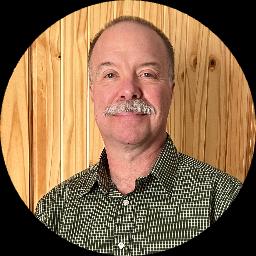
Scott Wetherhold
Clear, practical help for stressful seasons
- Credentials
- LPC, LMHC
- Experience
- 5 years
- Licensed in
- Florida, Georgia, Colorado
- Languages
- English
- Format
- Online sessions
About Scott
Scott Wetherhold is a licensed counselor who helps people facing stress, anxiety, depression, trauma, and life changes. He uses plain language and steady support to help clients manage strong feelings and find clearer next steps. Scott holds Licensed Professional Counselor (LPC) and Licensed Mental Health Counselor (LMHC) credentials and has five years of clinical experience.
He focuses on building practical skills for everyday life. Sessions often include grounding exercises, exploring unhelpful thinking, and making action plans to handle difficult moments.
Background and approach
Scott also works with concerns such as grief, anger, addictions, career stress, and compassion fatigue. Scott integrates several therapy methods depending on needs. He draws from Acceptance and Commitment Therapy to help people connect with values and take meaningful action.
Cognitive Behavioral Therapy is used to identify and change thoughts and behaviors that get in the way. Eye Movement Desensitization and Reprocessing can be part of work for people processing traumatic memories. Scott keeps the conversation collaborative and straightforward.
He listens for what matters most to each person and matches techniques to real-life goals. That often means setting clear steps between sessions and checking progress as therapy continues. He practices from Georgia and offers services in English, including work with international clients.
His aim is to help people gain steady coping tools, better communication, and renewed direction during stressful seasons.
Therapeutic approaches and online care that fit your life
Acceptance and Commitment Therapy helps people notice painful thoughts and feelings without getting stuck, then choose actions that match their values and goals. It can be useful for anxiety, depression, and finding direction during life changes.Cognitive Behavioral Therapy focuses on spotting unhelpful thoughts and testing them with real-life experiments. That approach works well for anxiety, panic, self-esteem concerns, and habits that interfere with day-to-day functioning.
Eye Movement Desensitization and Reprocessing is an approach used when people are processing traumatic memories; it combines focused recall with guided bilateral stimulation to ease the intensity of those memories.
Finding the right approach is usually a team effort. Scott will talk with clients about their goals, try methods that seem likely to help, and adjust the plan based on what feels most useful. The emphasis is on practical steps and regular check-ins to measure progress.
Online sessions are offered as video calls, phone sessions, live chat, or text-based messaging to make therapy fit into busy lives. These formats allow for regular contact, flexible scheduling, and the ability to continue work between appointments with brief messages or chat tools.
Acceptance and Commitment Therapy (ACT)
Less about arguing with difficult thoughts, more about loosening their grip and acting on what matters to you anyway. Values and committed action carry the work, which suits conversation at a distance.
Client-Centered Therapy
The direction comes from you rather than from a set programme. The therapist offers a warm, non-judgemental space to think out loud and work at your own pace. Online, this rests on the relationship rather than on being in the same room.
Cognitive Behavioral Therapy (CBT)
CBT looks at the link between what you think, how you feel, and what you do. You work on noticing unhelpful patterns and practising steadier responses. It suits online sessions well, because much of the work happens between appointments and can be talked through from anywhere.
Frequently asked questions
What kinds of problems does Scott address?
What is his general therapy style?
How much clinical experience does he have?
What credentials and location are listed for him?
Which languages are supported for sessions?
In what formats can sessions take place?
How are costs handled for sessions?
What are the first steps to begin therapy?
Specialties and expertise
Top specialties
Also works with
- Addictions
- Anger management
- Career difficulties
- Caregiver issues and stress
- Communication problems
- Compassion fatigue
- Coping with life changes
- Depression
- Family conflicts
- First responder issues
- Forgiveness
- Grief
- Guilt and shame
- Isolation / loneliness
- Life purpose
- Men's issues
- Midlife crisis
- Panic disorder and panic attacks
- Post-traumatic stress
- Relationship issues
- Self-love
- Sexual assault and abuse
- Social anxiety and phobia
Therapeutic approaches
- Experience
- 5 years
- Licensed
- Florida, Georgia, Colorado, Virginia
- Languages
- English
Next step
Talk to Scott
- Takes a few minutes
- Nothing to set up just to look
- Stop at any point