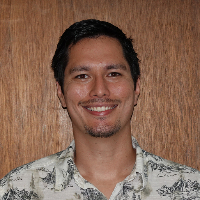
Scott Kilousky
Thoughtful listening and practical steps
- Credentials
- LMFT
- Experience
- 4 years
- Licensed in
- Hawaii
- Languages
- English
- Format
- Online sessions
About Scott
Scott Kilousky is a licensed marriage and family therapist (LMFT) based in Hawaii. He offers a calm, non-directive space where people can talk about what brought them to therapy and make sense of changes in their lives. Scott focuses on listening first and helping clients find what feels most useful for them.
Scott uses client-centered and existential ideas to guide sessions. He encourages reflection on personal meaning and supports people in exploring tough emotions without judgment.
Background and approach
He also includes solution-focused strategies to identify small, practical steps clients can try between sessions. Common concerns he works with include stress, anxiety, depression, relationship and intimacy issues, grief, trauma and abuse, and problems with self-esteem. He also addresses addictions, ADHD, bipolar mood concerns, compassion fatigue, and issues related to identity and LGBT matters.
Communication problems, forgiveness, guilt and shame, isolation, and finding life purpose are additional areas of focus. Scott has four years of clinical experience and holds the Hawaii LMFT license (MFT-671). Sessions are offered in English and are provided through online formats.
He frames therapy as a collaborative effort and adapts his style to each person’s needs and goals. He believes that understanding and acceptance are key first steps. Scott aims to help people reflect on their experiences and take manageable actions toward change.
Approach and online options for personal change
Client-centered therapy centers on understanding and acceptance. The therapist listens closely and follows the person’s lead, helping them feel heard and clearer about their own goals. It can be helpful for people who want a supportive space to think through feelings and identity issues.Existential therapy looks at meaning, choice, and how people respond to life changes. It invites reflection about values and purpose, and can help when someone feels stuck, isolated, or unsure about their next steps. Solution-focused therapy is practical and goal-oriented, concentrating on small, actionable steps that build momentum between sessions.
Scott treats the search for the right approach as a collaborative process. He will discuss each method with the client and tailor the mix based on needs, goals, and preferences. Together they decide which ideas to try and adapt over time.
Online sessions are offered via video calls, phone sessions, live chat, or text-based messaging to fit different schedules and comfort levels. These options make it easier to meet regularly from home or work and to use shorter check-ins or longer sessions as needed. The flexible formats support consistent progress while fitting into busy family lives.
Client-Centered Therapy
The direction comes from you rather than from a set programme. The therapist offers a warm, non-judgemental space to think out loud and work at your own pace. Online, this rests on the relationship rather than on being in the same room.
Existential Therapy
Takes the larger questions seriously: meaning, choice, mortality, responsibility. Suited to periods when the difficulty is less a symptom than a sense that something has to change.
Solution-Focused Therapy
Rather than examining the problem at length, this looks at what is already working and builds on it. Sessions tend to be practical and forward-looking, with small achievable steps, which translates readily to shorter online conversations.
Frequently asked questions
What kinds of concerns does Scott address?
How would you describe his therapeutic style?
What experience does he have?
What are his credentials and where is he based?
Which languages are supported for sessions?
Can international clients work with him?
What session formats are available?
How do costs and scheduling work?
Specialties and expertise
Top specialties
- Addictions
- LGBT
- Relationship issues
Also works with
Therapeutic approaches
- Experience
- 4 years
- Licensed
- Hawaii
- Languages
- English
Next step
Talk to Scott
- Takes a few minutes
- Nothing to set up just to look
- Stop at any point