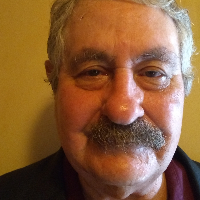
Robert Skuy
Compassionate, practical support for families
- Credentials
- LCSW
- Experience
- 12 years
- Licensed in
- Oklahoma
- Languages
- English
- Format
- Online sessions
About Robert
Robert Skuy is a Licensed Clinical Social Worker who offers family and individual therapy from his base in Oklahoma. He brings 12 years of professional experience, including work in child welfare, adult protection services, and with developmentally disabled adults. He aims for a warm, nonjudgmental tone in sessions and focuses on practical steps parents and families can take.
He does not offer Christian-based or spiritual counseling that includes Bible study or prayer.
Background and approach
In sessions he listens first and helps clients set clear, attainable goals. He uses a mix of approaches tailored to each person - for example Cognitive Behavioral Therapy to change unhelpful thoughts, EMDR for trauma processing, and mindfulness practices to manage stress. He believes therapy should fit the individual rather than forcing a single method.
His background includes teaching and many years supporting adults with developmental disabilities, plus hands-on experience in child welfare investigations. That work informs how he talks about safety, family dynamics, and practical problem solving. He has worked with people facing depression, anxiety, abuse, grief, and relationship stress.
He describes his style as adaptable and open to new techniques. He has used play therapy methods when helpful and continues learning new approaches. Parents who want straightforward guidance, clear tools, and a steady listener may find his approach useful.
Sessions emphasize skill-building, communication strategies, and small changes that add up. He works with a range of concerns related to family, parenting, stress, trauma, and emotional health.
Approaches that translate well to online care
Client-Centered Therapy focuses on listening and building a trusting relationship. The therapist follows your lead, helps you set goals, and responds to what matters to you. This approach is useful when families need a calm, steady space to talk about feelings and make plans.Cognitive Behavioral Therapy, or CBT, breaks problems into thoughts, feelings, and actions. It teaches practical skills to change unhelpful thinking and behavior, which can help with anxiety, depression, sleep, and workplace stress. CBT tools can be learned and practiced across video, phone, or text sessions.
Eye Movement Desensitization and Reprocessing, EMDR, is used to reduce the impact of traumatic memories. It involves guided attention and recall of memories while using specific stimulation techniques. When appropriate, parts of EMDR can be taught and supported through online sessions with a licensed professional.
Finding the right approach is part of the work together. The therapist will talk with clients about their goals, symptoms, and preferences and recommend methods that fit. That plan can change over time as progress is made and needs shift, and decisions are made collaboratively.
Online therapy offers flexible ways to meet - video calls for face-to-face conversation, phone sessions when video is difficult, or live chat and text for quick check-ins and ongoing support. These options help parents and families fit therapy into busy days and maintain continuity when schedules or locations change. Licensed professionals can deliver these approaches effectively across these formats, making support more accessible.
Client-Centered Therapy
The direction comes from you rather than from a set programme. The therapist offers a warm, non-judgemental space to think out loud and work at your own pace. Online, this rests on the relationship rather than on being in the same room.
Cognitive Behavioral Therapy (CBT)
CBT looks at the link between what you think, how you feel, and what you do. You work on noticing unhelpful patterns and practising steadier responses. It suits online sessions well, because much of the work happens between appointments and can be talked through from anywhere.
Dialectical Behavior Therapy (DBT)
Concrete skills for riding out strong emotion, tolerating distress, and handling relationships without things escalating. The skills are practised in daily life, so between-session support by message or phone fits naturally.
Frequently asked questions
What concerns does he help with?
What is his therapeutic style like?
What experience does he bring?
What are his credentials and location?
Can I work with him if English is not my first language?
What session formats does he offer?
How does payment work?
How do I begin therapy with him?
Specialties and expertise
Top specialties
- Stress, Anxiety
- Family conflicts
- Trauma and abuse
Also works with
- Anger management
- Attachment issues
- Bipolar disorder
- Blended family issues
- Career difficulties
- Communication problems
- Coping with life changes
- Depression
- Forgiveness
- Grief
- Impulsivity
- Intellectual disability
- Intimacy-related issues
- LGBT
- Life purpose
- Panic disorder and panic attacks
- Parenting issues
- Post-traumatic stress
- Relationship issues
- Self esteem
- Self-love
- Sleeping disorders
- Social anxiety and phobia
- Workplace issues
Therapeutic approaches
- Experience
- 12 years
- Licensed
- Oklahoma
- Languages
- English
Next step
Talk to Robert
- Takes a few minutes
- Nothing to set up just to look
- Stop at any point