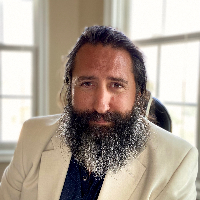
Prof. Randolph (Randy) Beasley
Calm, practical therapy for families and relationships
- Credentials
- LMFT
- Experience
- 5 years
- Licensed in
- California, Alaska
- Languages
- English
- Format
- Online sessions
About Randolph
Prof. Randolph (Randy) Beasley is a Licensed Marriage and Family Therapist (LMFT) based in California. He brings five years of clinical experience and practical problem-solving to sessions.
Randy often helps people facing stress, anxiety, relationship struggles, depression, bipolar concerns, addictions, and family or parenting challenges. He speaks English and works with clients both inside and outside the United States. Randy trained in marriage and family therapy after studying business and theology.
Background and approach
His background includes roles as a pastor and camp director, and work in community clinics, substance use treatment settings, a state hospital, and jail environments. That variety shaped his straightforward, hands-on style. In sessions he focuses on clear goals and active steps.
He blends client-centered listening with evidence-based tools from cognitive behavioral therapy and dialectical behavior therapy. He also uses existential ideas to help people find meaning and the Gottman Method for relationship work when relevant. Randy emphasizes changing thinking and behavior patterns that keep people stuck.
He helps clients identify unmet needs, set achievable goals, and practice new ways of handling stress, emotions, and communication. He also supports work on parenting, grief, intimacy, and career transitions. Therapy with him can take different forms - video, phone, chat, or text - to fit a family’s schedule and needs.
Sessions use a subscription model that can be canceled at any time. To begin, users follow the platform Start Therapy steps to match and schedule according to availability.
Approaches that guide online family and relationship work
Client-Centered Therapy focuses on listening and building a strong working relationship. The therapist follows the client’s lead and supports growth by reflecting concerns and helping people clarify what they want to change. Cognitive Behavioral Therapy, or CBT, looks at the links between thoughts, feelings, and actions. It teaches practical exercises and small behavior changes to reduce anxiety, depression, and unhelpful patterns in relationships.Finding the right approach is a collaborative process. Randy will help assess what matters most to the client and suggest methods that match goals and preferences. Together they set clear, achievable aims and try techniques to see what works in real life, then adjust the plan as needed.
Online therapy offers options to fit busy family lives. Clients can meet by video or phone, or use live chat and text messaging when that better suits their schedule. These formats make it easier to maintain regular work on goals, practice new skills between sessions, and stay connected during stressful times.
Client-Centered Therapy
The direction comes from you rather than from a set programme. The therapist offers a warm, non-judgemental space to think out loud and work at your own pace. Online, this rests on the relationship rather than on being in the same room.
Cognitive Behavioral Therapy (CBT)
CBT looks at the link between what you think, how you feel, and what you do. You work on noticing unhelpful patterns and practising steadier responses. It suits online sessions well, because much of the work happens between appointments and can be talked through from anywhere.
Dialectical Behavior Therapy (DBT)
Concrete skills for riding out strong emotion, tolerating distress, and handling relationships without things escalating. The skills are practised in daily life, so between-session support by message or phone fits naturally.
Frequently asked questions
What kinds of problems does Randy help with?
How would you describe his therapeutic style?
What training and background does he have?
Where is he licensed to practice?
Can sessions be conducted in other languages or countries?
What session formats are available?
How are fees and payment handled?
What are the first steps to begin therapy?
Specialties and expertise
Top specialties
- Stress, Anxiety
- Relationship issues
- Bipolar disorder
Also works with
- Abandonment
- Addictions
- ADHD
- Anger management
- Antisocial personality
- Avoidant personality
- Blended family issues
- Body image
- Career difficulties
- Caregiver issues and stress
- Coaching
- Codependency
- Commitment issues
- Communication problems
- Compassion fatigue
- Coping with life changes
- Depression
- Disruptive Mood Dysregulation Disorder (DMDD)
- Divorce and separation
- Drug and alcohol addiction
- Eating disorders
- Emptiness
- Family conflicts
- Family problems
- Fatherhood issues
- First responder issues
- Forgiveness
- Grief
- Guilt and shame
- Impulsivity
- Infidelity
- Intimacy-related issues
- Isolation / loneliness
- Jealousy
- Men's issues
- Midlife crisis
- Mood disorders
- Multicultural concerns
- Narcissism
- Parenting issues
- Personality disorders
- Process addiction (porn, exercise, gambling)
- Seasonal Affective Disorder (SAD)
- Self esteem
- Self-harm
- Self-love
- Sexual assault and abuse
- Sexual dysfunction
- Sexuality
- Trauma and abuse
- Workplace issues
- Young adult issues
Therapeutic approaches
- Experience
- 5 years
- Licensed
- California, Alaska
- Languages
- English
Next step
Talk to Randolph
- Takes a few minutes
- Nothing to set up just to look
- Stop at any point