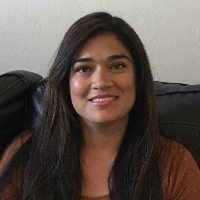
Rachel Bentley
Support for families and parents
- Credentials
- LMFT
- Experience
- 8 years
- Licensed in
- Arizona
- Languages
- English
- Format
- Online sessions
About Rachel
Rachel Bentley is a licensed marriage and family therapist with eight years of clinical practice in Arizona. She uses plain talk and steady guidance to help families and parents facing stress, parenting challenges, relationship strain, and emotional setbacks. Rachel draws on her background working in schools, group homes, addiction programs, and outpatient services to offer practical support.
Her style is collaborative and down-to-earth, aimed at helping caregivers make changes that matter at home.
Background and approach
Rachel views current struggles through the lens of early attachments and relationship patterns. She explains how childhood connections with caregivers can shape reactions, expectations, and coping today. That perspective helps families see why certain conflicts repeat and where small shifts can lead to better interactions.
In sessions she teaches concrete skills to manage emotions, reduce conflict, and improve communication. She uses techniques from cognitive behavioral therapy to spot unhelpful thoughts and from emotion-focused work to strengthen bonds between partners or family members. Rachel also draws on attachment-based ideas to rebuild trust and safety within relationships.
Parents often come for help with anxiety, grief, addiction concerns, and behavior challenges in children and teens. Rachel also addresses issues like codependency, infidelity, divorce and separation, and first responder stress. She works to identify strengths families already have and build on them to create lasting change.
Rachel keeps a practical focus during care. She helps families try small, achievable changes between sessions and tracks what works. Progress is measured by better communication, calmer parenting moments, and stronger family connections over time.
Therapeutic approaches for families in online care
Attachment-based work puts relationships at the center by looking at how early caregiver bonds shape current interactions. It helps parents and partners see repeating patterns and build more supported ways of relating. Cognitive Behavioral Therapy, or CBT, focuses on identifying unhelpful thoughts and testing new behaviors to reduce anxiety, anger, or depressive patterns. It offers step-by-step strategies that are easy to practice between sessions.Choosing the right approach is a team effort. The therapist will talk with each family about goals, preferences, and what has or hasn’t helped before. Together they decide whether attachment work, CBT, or a mix of methods is the best fit and then adjust the plan as progress is made.
Online therapy offers flexible ways to meet families where they are. Video calls make it possible to work on communication and observe family interactions. Phone sessions, live chat, and text messaging let busy parents fit support into their week and review tools on the go. These options make it easier to keep momentum and practice new skills between sessions.
Attachment-Based Therapy
Looks at how early bonds shaped what you expect from closeness, and how that plays out now with a partner, a parent, or your own children.
Client-Centered Therapy
The direction comes from you rather than from a set programme. The therapist offers a warm, non-judgemental space to think out loud and work at your own pace. Online, this rests on the relationship rather than on being in the same room.
Cognitive Behavioral Therapy (CBT)
CBT looks at the link between what you think, how you feel, and what you do. You work on noticing unhelpful patterns and practising steadier responses. It suits online sessions well, because much of the work happens between appointments and can be talked through from anywhere.
Frequently asked questions
What kinds of concerns does she address?
How would you describe her therapy style?
What is her background and experience?
What credentials and location are listed?
Which languages are used for sessions?
In what formats are sessions offered?
How is cost handled for sessions?
What are the first steps to begin therapy?
Specialties and expertise
Top specialties
- Stress, Anxiety
- Relationship issues
- Trauma and abuse
Also works with
- Abandonment
- Addictions
- Anger management
- Attachment issues
- Codependency
- Commitment issues
- Communication problems
- Control issues
- Coping with life changes
- Depression
- Divorce and separation
- Drug and alcohol addiction
- Family conflicts
- Family problems
- First responder issues
- Forgiveness
- Grief
- Guilt and shame
- Impulsivity
- Infidelity
- Intimacy-related issues
- Isolation / loneliness
- Jealousy
- Life purpose
- Money and financial issues
- Parenting issues
- Personality disorders
- Post-traumatic stress
- Postpartum depression
- Self esteem
- Self-love
- Sexual assault and abuse
- Social anxiety and phobia
- Veteran and Armed Forces Issues
- Women's issues
Therapeutic approaches
- Experience
- 8 years
- Licensed
- Arizona
- Languages
- English
Next step
Talk to Rachel
- Takes a few minutes
- Nothing to set up just to look
- Stop at any point