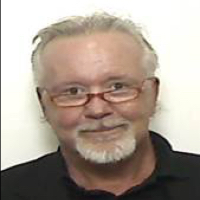
Michael Booth
Calm, experienced therapist for practical change
- Credentials
- LMFT
- Experience
- 25 years
- Licensed in
- California
- Languages
- English
- Format
- Online sessions
About Michael
Michael Booth is a Licensed Marriage & Family Therapist (LMFT) practicing in California with 25 years of experience. He focuses on problems that often reduce day-to-day wellbeing, such as anxiety, depression, addictions, anger, and struggles with meaning or purpose. He speaks English and works with adults who are looking for practical help to feel better in their lives.
He prefers a straightforward, collaborative way of working. Sessions start by identifying the most urgent concerns and setting small, measurable goals.
Background and approach
He watches changes over time and adjusts the plan when something is not working. Michael draws on several well-established methods to tailor care. He uses cognitive behavioral therapy (CBT) to help people spot unhelpful thoughts and change behaviors.
He also uses acceptance and commitment therapy (ACT) to clarify values and build action despite difficult feelings. Dialectical behavior therapy (DBT) skills feature when stronger emotion regulation and distress tolerance are needed. Over his career he has supported people facing a wide range of issues, including relationship and intimacy struggles, parenting challenges, grief, trauma, ADHD, bipolar concerns, and process or substance addictions.
He pays attention to how family of origin issues, attachment patterns, and shame can keep problems running. Getting started is simple: choose the Start Therapy button, complete a short matching questionnaire, and schedule a session based on availability. Sessions are offered in formats that include video calls, phone, live chat, or text messaging.
Therapeutic approaches for effective online work
Acceptance and Commitment Therapy (ACT) focuses on clarifying what matters most to a person and taking small actions that reflect those values even when feelings are hard. This approach can help with anxiety, depression, and confusion about life direction. Cognitive Behavioral Therapy (CBT) looks at the links between thoughts, feelings, and actions and teaches practical strategies to shift unhelpful patterns; it is useful for anxiety, panic, and mood problems. Dialectical Behavior Therapy (DBT) provides concrete skills for managing intense emotions, improving relationships, and tolerating distress when needed.Finding the right approach is a team effort. The therapist and client discuss goals, try techniques, and pick what fits best. Over time they adjust the plan based on what helps and what does not, keeping the process collaborative and concrete.
Online therapy lets sessions happen in ways that suit a busy life. Video calls approximate in-person conversations, phone sessions work when video is not possible, and live chat or text messaging can support shorter check-ins or skill practice between sessions. These options make it easier to keep momentum while juggling work, family, and other commitments.
Acceptance and Commitment Therapy (ACT)
Less about arguing with difficult thoughts, more about loosening their grip and acting on what matters to you anyway. Values and committed action carry the work, which suits conversation at a distance.
Client-Centered Therapy
The direction comes from you rather than from a set programme. The therapist offers a warm, non-judgemental space to think out loud and work at your own pace. Online, this rests on the relationship rather than on being in the same room.
Cognitive Behavioral Therapy (CBT)
CBT looks at the link between what you think, how you feel, and what you do. You work on noticing unhelpful patterns and practising steadier responses. It suits online sessions well, because much of the work happens between appointments and can be talked through from anywhere.
Frequently asked questions
What concerns does he address?
What is his general therapy style?
How long has he been practicing?
What are his credentials and where is he located?
Which languages are supported?
What session formats are available?
How are fees handled?
How do I begin working with him?
Specialties and expertise
Top specialties
- Stress, Anxiety
- Addictions
- Anger management
Also works with
- ADHD
- Attachment issues
- Avoidant personality
- Bipolar disorder
- Career difficulties
- Co-morbidity
- Commitment issues
- Coping with life changes
- Depression
- Drug and alcohol addiction
- Emptiness
- Family conflicts
- Family of origin issues
- Grief
- Guilt and shame
- Infidelity
- Intimacy-related issues
- Isolation / loneliness
- LGBT
- Life purpose
- Panic disorder and panic attacks
- Paranoia
- Parenting issues
- Process addiction (porn, exercise, gambling)
- Relationship issues
- Self esteem
- Sex addiction
- Social anxiety and phobia
- Trauma and abuse
- Veteran and Armed Forces Issues
- Young adult issues
Therapeutic approaches
- Experience
- 25 years
- Licensed
- California
- Languages
- English
Next step
Talk to Michael
- Takes a few minutes
- Nothing to set up just to look
- Stop at any point