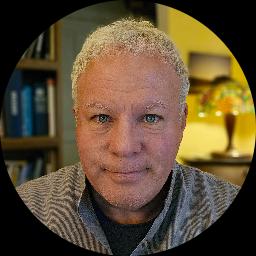
Mark Beiser
Support for stress, parenting, and trauma
- Credentials
- LCPC
- Experience
- 28 years
- Licensed in
- Illinois
- Languages
- English
- Format
- Online sessions
About Mark
Mark Beiser is a licensed clinical professional counselor who helps people facing stress, anxiety, trauma, parenting challenges, depression, relationship struggles, and related issues. He brings practical, steady support and focuses on small changes that add up over time. Mark aims to build trust by being genuine and respectful so people can feel comfortable talking about difficult things.
He uses hands-on strategies rather than abstract talk. Sessions often start with identifying one small behavior to try differently.
Background and approach
That change becomes a way to shift thoughts and, in time, feelings. Motivational work and confidence building are common parts of his approach. Mark draws on mindfulness exercises to ease distress and on cognitive tools to help people notice and change unhelpful thinking.
He also brings trauma-focused methods when past events interfere with daily life. These methods are used together to match a person’s needs and goals. He has been helping people since 1988 and earned a master’s degree in counseling in 1995.
He became an Illinois Licensed Clinical Professional Counselor in 2002 and holds the LCPC credential. Therapy with Mark is collaborative. He helps set practical goals and checks in about what is working.
Appointments can include talking, brief exercises, and simple practices to try between sessions. Mark practices in Illinois and offers services in English. He works remotely using video calls, phone sessions, live chat, or text-based messaging so people can fit therapy into busy lives.
Approaches that translate well to online care
Mindfulness Therapy is about learning simple attention and breathing practices to reduce stress and interrupt overwhelming reactions; it can help with anxiety, stress, and managing strong emotions. Cognitive Behavioral Therapy, or CBT, focuses on spotting unhelpful thoughts and testing small behavior changes to shift mood and reactions, which is useful for depression, anxiety, and motivation problems. Motivational Interviewing is a collaborative way to sort out ambivalence and build commitment to change, often used when someone wants help boosting confidence or following through on goals.Finding the right mix of methods is part of the work. The therapist will talk with each person about their goals and preferences and then try approaches that fit. Together they will adjust pace and tools based on what helps in real life rather than forcing a single method.
Online therapy using video calls, phone sessions, live chat, or text-based messaging makes it easier to fit sessions into busy family schedules. These options allow regular check-ins, brief coaching between meetings, and flexible ways to practice skills at home. Licensed professionals can use these formats to guide exercises, teach mindful practices, and support step-by-step behavior changes without requiring travel to an office.
Cognitive Behavioral Therapy (CBT)
CBT looks at the link between what you think, how you feel, and what you do. You work on noticing unhelpful patterns and practising steadier responses. It suits online sessions well, because much of the work happens between appointments and can be talked through from anywhere.
Mindfulness Therapy
Attention training: noticing thoughts and physical feelings as they arrive without being carried off by them. Much of it is practice you do yourself, so guidance over video or audio works much as it would in person.
Motivational Interviewing
A way of working through mixed feelings about change without being pushed. The therapist helps you weigh things up and find your own reasons, which often makes a difficult decision feel less stuck.
Frequently asked questions
What concerns does Mark focus on?
What is his therapeutic style like?
How much experience does he have?
What are his credentials and where is he based?
Which languages are supported for sessions?
What session formats are available?
How does payment and cost work?
How do I start working with him?
Specialties and expertise
Top specialties
- Stress, Anxiety
- Trauma and abuse
- Parenting issues
Also works with
- ADHD
- Adoption and foster care
- Aging and geriatric issues
- Anger management
- Bipolar disorder
- Blended family issues
- Chronic pain, illness, and disability
- Compassion fatigue
- Coping with life changes
- Depression
- Disruptive Mood Dysregulation Disorder (DMDD)
- Family conflicts
- Forgiveness
- Grief
- Infidelity
- Intimacy-related issues
- Jealousy
- Obsessions, compulsions, and OCD
- Paranoia
- Post-traumatic stress
- Process addiction (porn, exercise, gambling)
- Relationship issues
- Seasonal Affective Disorder (SAD)
- Self esteem
- Self-harm
- Traumatic brain injury
Therapeutic approaches
- Experience
- 28 years
- Licensed
- Illinois
- Languages
- English
Next step
Talk to Mark
- Takes a few minutes
- Nothing to set up just to look
- Stop at any point