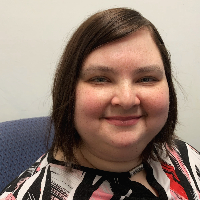
Karen Schwartz Triana
Helping families move forward with clear steps
- Credentials
- MD, LCPC, LMHC
- Experience
- 14 years
- Licensed in
- Florida, New York, Maryland
- Languages
- English
- Format
- Online sessions
About Karen
Karen Schwartz Triana is a licensed mental health counselor who helps people manage stress, anxiety, depression, parenting struggles, relationship and family concerns, trauma, and substance issues. She holds an MD and is licensed as a Licensed Clinical Professional Counselor - LCPC (MD LCPC LC15777) and a Licensed Mental Health Counselor - LMHC (NY LMHC 014828).
Karen has 14 years of experience and practices in Florida. Her style is direct and practical.
Background and approach
Sessions focus on short-term goals and clear steps clients can try between meetings. She listens without judgment and tailors each meeting to what feels most helpful for the person or family in front of her. Karen uses techniques from cognitive behavioral therapy to identify thoughts and behaviors that get in the way.
She also uses client-centered methods to follow the client’s lead and solution-focused work to find immediate, doable changes. Motivational interviewing is part of how she supports people making difficult decisions. In sessions she helps clients set measurable progress goals and checks in about how each meeting felt.
That simple feedback loop guides what comes next and keeps work practical and focused on results that matter in daily life. Parents and families looking for guidance around communication, parenting, postpartum challenges, or conflict resolution will find an approach designed to be step-by-step and collaborative. Karen aims to help people find the next concrete move toward better coping and clearer relationships.
Therapeutic approaches and how they work online
Client-centered therapy focuses on listening closely and following the client’s concerns. The therapist offers empathy and reflects what she hears so people feel understood and can decide their next steps. This approach is helpful for building trust and for parents who want space to talk through difficult feelings.Cognitive behavioral therapy, or CBT, looks at the links between thoughts, feelings, and actions. It teaches simple strategies to test unhelpful thoughts and try new behaviors. CBT is often used for anxiety, depression, and coping with life changes because it gives clear exercises to practice between sessions.
Motivational interviewing is a conversational method that helps people find their own reasons for change. It is brief and goal-oriented, useful for addressing addictions, commitment issues, or when someone feels stuck deciding what to do next.
Finding the right mix of approaches is part of the work. The therapist will collaborate with each person or family to choose methods that match specific needs, goals, and comfort level. Together they adjust techniques as progress is checked and new challenges come up.
Online therapy options include video calls, phone sessions, live chat, and text-based messaging. These formats make scheduling easier for busy families and allow follow-up between sessions. Use of multiple formats helps people stay consistent with therapy and apply new skills in day-to-day life.
Client-Centered Therapy
The direction comes from you rather than from a set programme. The therapist offers a warm, non-judgemental space to think out loud and work at your own pace. Online, this rests on the relationship rather than on being in the same room.
Cognitive Behavioral Therapy (CBT)
CBT looks at the link between what you think, how you feel, and what you do. You work on noticing unhelpful patterns and practising steadier responses. It suits online sessions well, because much of the work happens between appointments and can be talked through from anywhere.
Motivational Interviewing
A way of working through mixed feelings about change without being pushed. The therapist helps you weigh things up and find your own reasons, which often makes a difficult decision feel less stuck.
Frequently asked questions
What kinds of concerns does Karen address?
How would you describe her therapeutic style?
What is her professional background?
Which credentials and location apply to this therapist?
Which languages are available for sessions?
Can international clients work with this therapist?
What session formats does she offer and how do sessions work?
How are costs handled and how do I start?
Specialties and expertise
Top specialties
- Stress, Anxiety
- Relationship issues
- Family conflicts
Also works with
- Addictions
- ADHD
- Anger management
- Bipolar disorder
- Career difficulties
- Coaching
- Codependency
- Commitment issues
- Communication problems
- Compassion fatigue
- Coping with life changes
- Depression
- Divorce and separation
- Family problems
- Grief
- Impulsivity
- Intimacy-related issues
- Jealousy
- LGBT
- Mood disorders
- Parenting issues
- Post-traumatic stress
- Postpartum depression
- Self esteem
- Self-harm
- Self-love
- Social anxiety and phobia
- Trauma and abuse
- Workplace issues
Therapeutic approaches
- Experience
- 14 years
- Licensed
- Florida, New York, Maryland
- Languages
- English
Next step
Talk to Karen
- Takes a few minutes
- Nothing to set up just to look
- Stop at any point