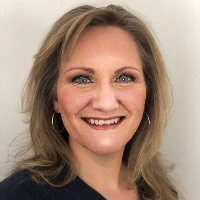
Jessica Milosky
Compassionate counselor for family and life challenges
- Credentials
- LPC
- Experience
- 8 years
- Licensed in
- Pennsylvania, South Carolina
- Languages
- English
- Format
- Online sessions
About Jessica
Jessica Milosky is a Licensed Professional Counselor with eight years of clinical experience. She began graduate training in 2008 and completed her degree in 2012 before working in a university counseling center and later splitting time between independent practice and psychiatric hospital assessments.
Jessica draws on years of varied clinical work to guide people through stress, anxiety, depression, relationship strain, and life transitions. Her style is adaptable. She can offer direct feedback and challenge or take a gentler, guiding role.
Background and approach
Sessions focus on practical steps and honest conversation rather than jargon. Jessica values looking at the whole person and how everyday life affects mental health. Background and approach: Jessica uses a mix of methods depending on each person’s needs.
She applies client-centered listening to build trust, cognitive behavioral techniques to address thinking patterns, and emotionally-focused ideas to repair connection when relationships are strained. She also brings narrative and existential perspectives to help people make sense of hard experiences and find purpose.
Her work includes support for family issues, grief, trauma and abuse, caregiver stress, addictions, eating and body image concerns, and problems with communication and control. She pays special attention to the realities families face when a member has a chronic illness and to the ripple effects on daily life. Jessica works in South Carolina and communicates in English.
She aims to tailor sessions to each person’s situation and to partner with them on clear, manageable goals.
Therapeutic approaches for online family and life challenges
Jessica often blends client-centered therapy and cognitive behavioral therapy to meet online clients where they are. Client-centered therapy focuses on listening and reflecting so people feel heard and understood, which helps when processing difficult emotions or family stress. Cognitive behavioral therapy looks at thoughts and behaviors and provides concrete strategies to reduce anxiety, manage mood, and change unhelpful patterns.She also draws on emotionally-focused therapy when relationship repair and connection are priorities. EFT helps partners and family members identify emotions beneath conflicts and practice new ways of responding that build trust and closeness. Together, these approaches allow practical problem solving alongside deeper emotional work.
Finding the best approach is part of the work. The therapist will collaborate with each person to decide which methods fit their goals, needs, and preferences. This means checking in, trying techniques, and adjusting the plan so it feels useful and doable.
Online therapy offers flexible options like video calls, phone sessions, live chat, and text-based messaging. These formats let people fit sessions around busy schedules, reduce travel time, and access care from different locations. The variety of formats also makes it easier to continue work during life transitions or when in-person visits are difficult.
Client-Centered Therapy
The direction comes from you rather than from a set programme. The therapist offers a warm, non-judgemental space to think out loud and work at your own pace. Online, this rests on the relationship rather than on being in the same room.
Cognitive Behavioral Therapy (CBT)
CBT looks at the link between what you think, how you feel, and what you do. You work on noticing unhelpful patterns and practising steadier responses. It suits online sessions well, because much of the work happens between appointments and can be talked through from anywhere.
Emotionally-Focused Therapy (EFT)
Attends to the emotions underneath a recurring argument or distance, and to the attachment needs driving them. Often used where a relationship keeps returning to the same painful loop.
Frequently asked questions
What kinds of concerns does she address?
What is her therapeutic style like?
How much clinical experience does she have?
What are her credentials and where does she practice?
Which languages are supported for sessions?
What session formats are available?
How are sessions billed and what does it cost?
How do I begin working with her?
Specialties and expertise
Top specialties
- Stress, Anxiety
- Relationship issues
- Depression
Also works with
- Addictions
- Attachment issues
- Body image
- Cancer
- Caregiver issues and stress
- Codependency
- Commitment issues
- Communication problems
- Compassion fatigue
- Control issues
- Coping with life changes
- Divorce and separation
- Eating and food-related issues
- Eating disorders
- Family conflicts
- Family of origin issues
- Family problems
- Fertility issues
- Forgiveness
- Gender dysphoria
- Grief
- Guilt and shame
- Isolation / loneliness
- Midlife crisis
- Postpartum depression
- Process addiction (porn, exercise, gambling)
- Seasonal Affective Disorder (SAD)
- Self esteem
- Self-harm
- Self-love
- Sex addiction
- Sexual assault and abuse
- Sexuality
- Somatization
- Trauma and abuse
- Women's issues
- Young adult issues
Therapeutic approaches
- Experience
- 8 years
- Licensed
- Pennsylvania, South Carolina
- Languages
- English
Next step
Talk to Jessica
- Takes a few minutes
- Nothing to set up just to look
- Stop at any point