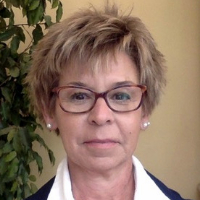
Jane Robbins
Compassionate, practical therapy for life’s challenges
- Credentials
- LCSW
- Experience
- 25 years
- Licensed in
- North Carolina
- Languages
- English
- Format
- Online sessions
About Jane
Jane Robbins is an LCSW with 25 years of clinical experience who helps people facing stress, anxiety, depression, grief, parenting challenges, addiction, and related concerns. She works with issues across the lifespan, including eating and sleeping problems, ADHD, trauma and abuse, and caregiving or end-of-life difficulties.
Her style aims to make therapy practical and accessible for worried parents and adults who need straightforward support. She focuses on building a trusting relationship first.
Background and approach
Sessions center on the client's goals and needs rather than forcing a specific method. Jane emphasizes collaboration and clear, manageable steps so families and individuals can try changes that fit their lives.
Her background includes a Master of Science in Social Work from the University of Tennessee and training that began after a Bachelor’s degree in psychology from the University of Nevada, Las Vegas. She holds a Licensed Clinical Social Worker credential in North Carolina, NC LCSW C004162.
Jane uses a range of approaches to match each person’s situation, drawing from cognitive behavioral methods, acceptance and commitment ideas, dialectical behavior skills, client-centered care, and psychodynamic thinking. In practice this means balancing coping skills, values-based work, emotion regulation, and understanding patterns from the past.
Online options include video calls, phone sessions, live chat, and text-based messaging, which allow flexible ways to keep therapy consistent. Jane accepts international clients and conducts sessions in English. To begin, follow the platform’s Start Therapy process to complete a short questionnaire and schedule a session.
Therapeutic approaches for online family and parenting support
Acceptance and Commitment Therapy (ACT) helps people notice what matters to them and take small steps toward those values. It often involves learning to accept difficult thoughts while trying new behaviors that fit what the client cares about. Cognitive Behavioral Therapy (CBT) focuses on practical skills to change unhelpful thoughts and behaviors. It is commonly used for anxiety, depression, sleeping or eating issues, and coping with life changes. Client-Centered Therapy puts the relationship first and creates space for clients to lead sessions while the therapist offers empathy and nonjudgmental support.Finding the right approach is part of the work. Jane collaborates with each person to choose methods that fit their goals, needs, and everyday schedule. She adjusts techniques over time so therapy stays useful and realistic for parents and adults juggling many demands.
Online therapy offers several practical benefits. Video calls allow face-to-face conversation without travel, phone sessions provide a simple alternative when video is difficult, and live chat or text messaging can help maintain momentum between sessions. These options make it easier to keep therapy consistent and to fit sessions around family life, work, or caregiving responsibilities.
Acceptance and Commitment Therapy (ACT)
Less about arguing with difficult thoughts, more about loosening their grip and acting on what matters to you anyway. Values and committed action carry the work, which suits conversation at a distance.
Client-Centered Therapy
The direction comes from you rather than from a set programme. The therapist offers a warm, non-judgemental space to think out loud and work at your own pace. Online, this rests on the relationship rather than on being in the same room.
Cognitive Behavioral Therapy (CBT)
CBT looks at the link between what you think, how you feel, and what you do. You work on noticing unhelpful patterns and practising steadier responses. It suits online sessions well, because much of the work happens between appointments and can be talked through from anywhere.
Frequently asked questions
What concerns does Jane Robbins address?
What is her therapeutic style?
How long has she been working in this field?
What are her credentials and where is she based?
Which languages are available for sessions?
What session formats are offered?
How does payment and cost work?
How do I begin working with Jane?
Specialties and expertise
Top specialties
- Stress, Anxiety
- Relationship issues
- Grief
Also works with
- Addictions
- ADHD
- Aging and geriatric issues
- Anger management
- Bipolar disorder
- Body image
- Career difficulties
- Caregiver issues and stress
- Communication problems
- Compassion fatigue
- Control issues
- Coping with life changes
- Depression
- Divorce and separation
- Eating and food-related issues
- Eating disorders
- Emptiness
- Family conflicts
- Family of origin issues
- Family problems
- Forgiveness
- Guilt and shame
- Hospice and end-of-life counseling
- Infidelity
- Isolation / loneliness
- Jealousy
- LGBT
- Life purpose
- Midlife crisis
- Mood disorders
- Obsessions, compulsions, and OCD
- Parenting issues
- Self esteem
- Sleeping disorders
- Social anxiety and phobia
- Trauma and abuse
- Women's issues
Therapeutic approaches
- Experience
- 25 years
- Licensed
- North Carolina
- Languages
- English
Next step
Talk to Jane
- Takes a few minutes
- Nothing to set up just to look
- Stop at any point