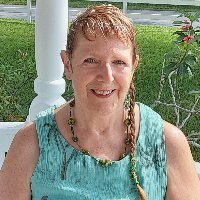
Rev. Ellen Schipul
Calm guidance with practical tools
- Credentials
- LPC
- Experience
- 18 years
- Licensed in
- Pennsylvania
- Languages
- English
- Format
- Online sessions
About Ellen
Rev. Ellen Schipul uses a client-centered approach that helps people talk through hard moments. She listens closely and brings practical tools from cognitive behavioral therapy, mindfulness, solution-focused work, and somatic methods.
Her style blends everyday talk with concrete steps people can try between sessions. Ellen is an LPC - Licensed Professional Counselor - practicing in Pennsylvania with 18 years of experience. She draws on a broad background that includes pastoral work and spiritual perspectives when clients want that included.
Background and approach
Sessions look at how thoughts, body sensations, and meaning connect in day-to-day life. That helps with stress, anxiety, grief, depression, and mood struggles like bipolar when people bring those concerns. Ellen also addresses parenting and family issues and explores relationship patterns and family of origin topics.
She brings tools for coping with change, managing overwhelm, and handling caregiver and compassion fatigue. Practical strategies are paired with mindfulness and somatic awareness so people can notice what's happening in their body as well as their thinking. The work can include short-term goal-focused plans or deeper process work depending on what the person needs.
She incorporates mindful parenting ideas for those who want parenting support. Sessions may use talk, guided mindfulness, or body-awareness practices as appropriate. People meet her for help with trauma and abuse recovery, attachment and abandonment concerns, codependency, and life transitions.
She integrates spiritual beliefs when clients request that component, and she frames therapy as a collaborative process focused on clear next steps.
How therapeutic approaches translate to online care
Client-centered therapy focuses on listening and responding to what each person needs in the moment. In practice this means the therapist reflects back what is said, asks open questions, and helps clients set their own goals. It works well for people who want a supportive, respectful space to sort things out.Cognitive Behavioral Therapy, or CBT, looks at the links between thoughts, feelings, and actions. It offers simple exercises to test unhelpful thoughts and try new behaviors, which can be useful for anxiety, depression, and managing mood shifts. Mindfulness Therapy teaches simple attention and breathing practices to reduce reactivity and build calm awareness in daily life.
Finding the right approach is part of the process. The therapist will collaborate with each person to choose methods that match their needs, goals, and comfort level. Plans can change as work progresses so techniques feel helpful rather than forced.
Online sessions are offered by video calls, phone, live chat, or text-based messaging to give flexibility. That variety helps people fit therapy into busy schedules, maintain continuity when travel or relocation happens, and choose the format that feels most comfortable for opening up. Licensed professionals can use these formats to guide mindful practices, teach CBT exercises, and coach practical parenting and coping steps in real time.
Client-Centered Therapy
The direction comes from you rather than from a set programme. The therapist offers a warm, non-judgemental space to think out loud and work at your own pace. Online, this rests on the relationship rather than on being in the same room.
Cognitive Behavioral Therapy (CBT)
CBT looks at the link between what you think, how you feel, and what you do. You work on noticing unhelpful patterns and practising steadier responses. It suits online sessions well, because much of the work happens between appointments and can be talked through from anywhere.
Mindfulness Therapy
Attention training: noticing thoughts and physical feelings as they arrive without being carried off by them. Much of it is practice you do yourself, so guidance over video or audio works much as it would in person.
Frequently asked questions
What issues does she commonly address?
What is her general therapy style?
How much clinical experience does she have?
Where is she licensed and located?
Which languages are supported and are international clients accepted?
What session formats are available?
How are sessions paid for and what do costs look like?
How do I begin working with her?
Specialties and expertise
Top specialties
Also works with
- Abandonment
- ADHD
- Aging and geriatric issues
- Attachment issues
- Bipolar disorder
- Blended family issues
- Caregiver issues and stress
- Codependency
- Commitment issues
- Compassion fatigue
- Control issues
- Coping with life changes
- Dependent personality
- Depression
- Dissociation
- Divorce and separation
- Family conflicts
- Family of origin issues
- Family problems
- Fertility issues
- Forgiveness
- Guilt and shame
- Hospice and end-of-life counseling
- Impulsivity
- Life purpose
- Midlife crisis
- Narcissism
- Obsessions, compulsions, and OCD
- Panic disorder and panic attacks
- Parenting issues
- Phobias
- Polyamory / non-monogamous relationships
- Post-traumatic stress
- Postpartum depression
- Relationship issues
- Seasonal Affective Disorder (SAD)
- Self esteem
- Self-love
- Sexual assault and abuse
- Social anxiety and phobia
- Trichotillomania
Therapeutic approaches
- Experience
- 18 years
- Licensed
- Pennsylvania
- Languages
- English
Next step
Talk to Ellen
- Takes a few minutes
- Nothing to set up just to look
- Stop at any point