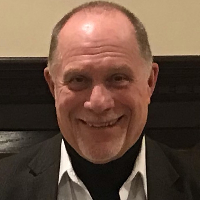
David Spann
Experienced family-focused clinical social worker
- Credentials
- LCSW, LISW
- Experience
- 29 years
- Licensed in
- North Carolina, Ohio
- Languages
- English
- Format
- Online sessions
About David
David Spann is a licensed clinical social worker who uses practical, relationship-focused therapy to help families and individuals move forward. He combines straightforward talk with proven methods to address stress, grief, addiction, mood concerns, and family strain. He holds a Master of Social Work and brings 29 years of clinical experience to his work in North Carolina.
Mr. Spann uses plain language and an outcome-oriented style so people know what to expect in sessions.
Background and approach
His background includes outpatient, residential, and hospital settings, including work at a Naval Hospital with active duty Marines. That experience shaped his understanding of how trauma, mental illness, and addiction affect family systems and daily life. He also has experience in management, leadership development, and personal coaching, which informs how he frames communication and problem solving.
Therapy sessions often focus on improving communication, addressing attachment and intimacy issues, and stabilizing mood or substance concerns. He draws from Attachment-Based Therapy, Cognitive Behavioral Therapy, Dialectical Behavior Therapy, mindfulness, and motivational interviewing. These methods are applied in clear, step-by-step ways so families can use them between sessions.
Mr. Spann has led trainings in crisis intervention, grief, anger management, boundaries, and relational enrichment for law enforcement, teachers, and community groups for more than two decades. He emphasizes strengths and practical skills while working toward healthier relationships and better day-to-day functioning.
Sessions are offered in English and are delivered through a variety of online formats. He is licensed in North Carolina as LCSW and holds an Ohio LISW credential as well.
Approaches that guide online family and trauma work
Attachment-Based Therapy focuses on how bonds between people shape behavior and emotion. It helps identify patterns in relationships and rebuild connection when trust or closeness has been damaged, which can be helpful for parenting and family strain.Cognitive Behavioral Therapy, or CBT, looks at the links between thoughts, feelings, and actions. It teaches clear strategies to change unhelpful thinking and to build new habits for managing anxiety, depression, or mood swings.
Dialectical Behavior Therapy, DBT, combines acceptance and change strategies and includes practical skills for emotion regulation and distress tolerance. That makes it useful when strong emotions or conflict are getting in the way of daily life at home.
Choosing the right approach is part of the work. The therapist will discuss goals, preferences, and how each method might help. Sessions are collaborative and adjusted over time to match what is working for the individual or family.
Online therapy offers flexible ways to connect, including video calls, phone sessions, live chat, and text-based messaging. These formats make it easier to fit sessions into busy family schedules and to follow up between meetings. They also allow licensed professionals to share exercises, skill coaching, and communication tools that clients can use at home.
Attachment-Based Therapy
Looks at how early bonds shaped what you expect from closeness, and how that plays out now with a partner, a parent, or your own children.
Client-Centered Therapy
The direction comes from you rather than from a set programme. The therapist offers a warm, non-judgemental space to think out loud and work at your own pace. Online, this rests on the relationship rather than on being in the same room.
Cognitive Behavioral Therapy (CBT)
CBT looks at the link between what you think, how you feel, and what you do. You work on noticing unhelpful patterns and practising steadier responses. It suits online sessions well, because much of the work happens between appointments and can be talked through from anywhere.
Frequently asked questions
What concerns does he help with related to family life?
What is his general therapy style?
What experience does he bring to family and trauma work?
What credentials and location are listed for this therapist?
Which languages are supported for sessions?
What session formats are available online?
How are fees and payment handled?
How does someone begin working with him?
Specialties and expertise
Top specialties
- Addictions
- Family conflicts
- Trauma and abuse
Also works with
- Anger management
- Attachment issues
- Bipolar disorder
- Blended family issues
- Career difficulties
- Coaching
- Codependency
- Communication problems
- Compassion fatigue
- Control issues
- Coping with life changes
- Coping with natural or human-caused disaster
- Depression
- Divorce and separation
- Domestic violence
- Drug and alcohol addiction
- Grief
- Intimacy-related issues
- Life purpose
- Money and financial issues
- Mood disorders
- Multicultural concerns
- Parenting issues
- Post-traumatic stress
- Relationship issues
- Self esteem
- Self-love
- Sex addiction
- Sexual assault and abuse
- Stress, Anxiety
- Veteran and Armed Forces Issues
- Workplace issues
Therapeutic approaches
- Experience
- 29 years
- Licensed
- North Carolina, Ohio
- Languages
- English
Next step
Talk to David
- Takes a few minutes
- Nothing to set up just to look
- Stop at any point