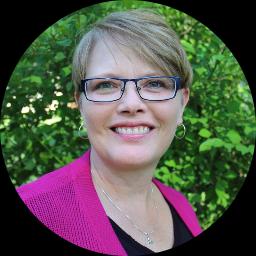
Darla Belflower
Calm, practical support for life changes
- Credentials
- LSCSW, LCSW
- Experience
- 22 years
- Licensed in
- Missouri, Kansas
- Languages
- English
- Format
- Online sessions
About Darla
Darla Belflower is a licensed social worker who uses practical, client-focused methods to help people manage stress, addiction, grief, and relationship strain. She holds LSCSW and LCSW credentials and practices from Missouri. Her tone is direct and compassionate, aimed at people seeking straightforward help for life changes and emotional strain.
With 22 years of clinical experience, she draws on approaches that emphasize collaboration and personal strengths. Sessions tend to focus on small, realistic steps rather than abstract theory.
Background and approach
Clients can expect clear tools for coping with anxiety, depression, caregiver stress, and substance concerns. Belflower also brings attention to sexuality and gender matters, women’s issues, and complicated family problems. She integrates practical strategies for communication, forgiveness, and rebuilding after loss.
Motivational techniques are used when people want help finding or maintaining change. Her background includes long-term lived experience in recovery, which informs a nonjudgmental stance and an emphasis on hope and connection. That perspective often shapes conversations about addiction, relapse prevention, and sustaining recovery supports.
In sessions, she combines client-centered listening with cognitive-behavioral tools and mindfulness practices. The goal is to reduce daily distress and strengthen coping skills so people can handle work, caregiving, and relationship demands more effectively.
How her approaches translate to online care
Client-centered therapy centers conversations on the person sitting in front of the therapist. In practice that means sessions begin by hearing what matters most to the individual, then shaping goals and tools around those priorities. This approach helps with relationship concerns, identity questions, and emotional distress.Cognitive behavioral therapy, or CBT, focuses on identifying unhelpful thoughts and testing new behaviors. It provides concrete exercises to reduce anxiety, manage mood swings, and improve day-to-day coping. Clients often leave sessions with specific homework they can try between meetings.
Finding the right approach is part of the work. The therapist collaborates with each person to decide whether client-centered listening, CBT techniques, mindfulness practice, or motivational interviewing will best fit their needs and goals. That choice may shift as progress is made.
Online sessions are offered by video call, phone, live chat, or text-based messaging to make scheduling easier around busy lives. These options allow people to receive care from home, while traveling, or during caregiving breaks, and support consistent follow-up and small practical tasks between conversations.
Client-Centered Therapy
The direction comes from you rather than from a set programme. The therapist offers a warm, non-judgemental space to think out loud and work at your own pace. Online, this rests on the relationship rather than on being in the same room.
Cognitive Behavioral Therapy (CBT)
CBT looks at the link between what you think, how you feel, and what you do. You work on noticing unhelpful patterns and practising steadier responses. It suits online sessions well, because much of the work happens between appointments and can be talked through from anywhere.
Mindfulness Therapy
Attention training: noticing thoughts and physical feelings as they arrive without being carried off by them. Much of it is practice you do yourself, so guidance over video or audio works much as it would in person.
Frequently asked questions
What concerns does she address?
What is her therapeutic style like?
How much experience does she have?
What are her credentials and where is she based?
Which languages are supported?
What session formats are offered?
How is cost handled?
How do I begin working with this therapist?
Specialties and expertise
Top specialties
Also works with
- Bipolar disorder
- Career difficulties
- Caregiver issues and stress
- Coaching
- Communication problems
- Compassion fatigue
- Coping with life changes
- Depression
- Drug and alcohol addiction
- Family conflicts
- Family problems
- Forgiveness
- Gender dysphoria
- Grief
- Guilt and shame
- HIV / AIDS
- Hospice and end-of-life counseling
- Life purpose
- Polyamory / non-monogamous relationships
- Relationship issues
- Seasonal Affective Disorder (SAD)
- Self esteem
- Sexuality
- Women's issues
Therapeutic approaches
- Experience
- 22 years
- Licensed
- Missouri, Kansas
- Languages
- English
Next step
Talk to Darla
- Takes a few minutes
- Nothing to set up just to look
- Stop at any point