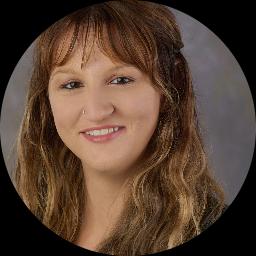
Chelsey Lee
Compassionate practical support for life challenges
- Credentials
- LPC, LCMHC
- Experience
- 5 years
- Licensed in
- North Carolina, South Carolina
- Languages
- English
- Format
- Online sessions
About Chelsey
Chelsey Lee is a licensed counselor who supports people facing stress, anxiety, depression, trauma, and self-esteem struggles. She addresses concerns like mood shifts, grief, coping with life changes, and ADHD in straightforward, practical ways. Chelsey aims to make the first step into therapy feel manageable for someone who may be nervous or unsure.
She keeps sessions simple and direct. Conversations focus on what feels hardest right now and on small, doable steps forward.
Background and approach
Chelsey creates a calm space where clients can name feelings and try new ways of handling them without judgment. Her training includes approaches that help people change unhelpful thinking, build skills to handle intense emotions, and notice the present moment. She blends techniques to match each person's needs rather than using a single method for everyone.
Over five years of practice, she has used these tools with people facing a wide range of life challenges. Chelsey holds the Licensed Professional Counselor credential - LPC - and the Licensed Clinical Mental Health Counselor credential - LCMHC. She is based in North Carolina and works in English.
Sessions are offered through several online formats to fit different schedules. People who choose Chelsey can expect a practical, empathetic style. The focus is on small changes that bring relief and clearer choices.
She encourages people to bring questions and to be part of shaping the work together.
How therapeutic methods translate to online care
Client-Centered Therapy emphasizes listening and building a trusting relationship. In this approach the therapist follows the client's lead, reflects what is said, and supports personal goals. It is helpful when someone needs a nonjudgmental space to sort out feelings.Cognitive Behavioral Therapy, or CBT, focuses on identifying unhelpful thoughts and testing new reactions. Sessions include practical exercises and small homework tasks to change patterns that fuel anxiety or low mood. This approach is useful for stress, anxiety, depression, and mood-related concerns.
Dialectical Behavior Therapy, DBT, teaches skills for managing strong emotions and improving interpersonal problem-solving. It mixes attention to acceptance with concrete behavior change tools and can help with impulsivity and intense emotional states.
Finding the right approach is part of the work together. The therapist will talk with the client about goals, preferences, and what has helped or not helped before. They will adjust methods over time, combining techniques that fit the person's needs and pace.
Online therapy makes it easier to schedule regular sessions and to use different formats. Video calls allow face-to-face interaction, phone sessions remove video stress, and live chat or text-based messaging supports shorter check-ins or step-by-step skills practice. These options help therapy fit into busy lives and make ongoing support more accessible.
Client-Centered Therapy
The direction comes from you rather than from a set programme. The therapist offers a warm, non-judgemental space to think out loud and work at your own pace. Online, this rests on the relationship rather than on being in the same room.
Cognitive Behavioral Therapy (CBT)
CBT looks at the link between what you think, how you feel, and what you do. You work on noticing unhelpful patterns and practising steadier responses. It suits online sessions well, because much of the work happens between appointments and can be talked through from anywhere.
Dialectical Behavior Therapy (DBT)
Concrete skills for riding out strong emotion, tolerating distress, and handling relationships without things escalating. The skills are practised in daily life, so between-session support by message or phone fits naturally.
Frequently asked questions
What kinds of concerns does this therapist help with?
How would you describe her therapy style?
What is her professional background?
What credentials and location are listed?
Which languages are supported for sessions?
What session formats are available?
How is cost handled for sessions?
How do I begin working with her?
Specialties and expertise
Top specialties
Also works with
- ADHD
- Aging and geriatric issues
- Bipolar disorder
- Body image
- Coping with life changes
- Depression
- Divorce and separation
- Family conflicts
- Fertility issues
- Forgiveness
- Gender dysphoria
- Guilt and shame
- Hospice and end-of-life counseling
- Impulsivity
- Infidelity
- LGBT
- Life purpose
- Mood disorders
- Pregnancy and childbirth
- Self esteem
- Self-love
- Social anxiety and phobia
- Women's issues
- Young adult issues
Therapeutic approaches
- Experience
- 5 years
- Licensed
- North Carolina, South Carolina
- Languages
- English
Next step
Talk to Chelsey
- Takes a few minutes
- Nothing to set up just to look
- Stop at any point