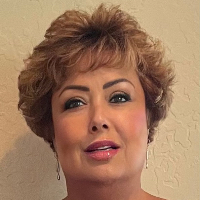
Catherine (Cathy) Groh
Calm, practical support for family and parenting concerns
- Credentials
- LCSW
- Experience
- 10 years
- Licensed in
- California
- Languages
- English
- Format
- Online sessions
About Catherine
Catherine (Cathy) Groh is a licensed clinical social worker who helps with stress, anxiety, family concerns, grief, depression, and life changes. She also addresses addictions, relationship and intimacy issues, trauma and abuse, sleep and eating problems, anger, self-esteem, career concerns, compassion fatigue, and ADHD. Cathy keeps language simple and listens first so parents can feel heard quickly.
Her style is warm and interactive. Sessions focus on the person's goals and strengths.
Background and approach
Cathy uses a client-centered stance so clients guide the pace while she offers support and skill-building. She values respect and dignity in sessions. Cathy has practiced for 10 years as an LCSW, which stands for Licensed Clinical Social Worker.
She provides care from California and works in English. Her background includes experience with many common family and relationship struggles and with people who have experienced physical and emotional trauma. In therapy she draws on Motivational Interviewing to help people find reasons to change, and on Solution-Focused Therapy to set small, practical steps forward.
Those methods pair with client-centered care to keep sessions grounded and useful for everyday parenting and family life. Her approach aims to make emotional work manageable. Parents can expect straightforward conversation, focused problem solving, and encouragement to try small changes between sessions.
Cathy supports people who want practical help for family and parenting challenges.
How Cathy brings client-centered care online
Cathy uses Client-Centered Therapy, Motivational Interviewing, and Solution-Focused Therapy in her online work. Client-Centered Therapy means the person sets the pace and topics while the therapist listens and reflects, which helps when parents need space to talk about family stresses. Motivational Interviewing helps people find personal reasons to change and can be useful for habits, addictions, or readiness to try new parenting strategies. Solution-Focused Therapy concentrates on small, practical steps and on what is already working, so sessions often end with clear, doable tasks.Choosing the right approach is part of the work together. Cathy will talk with each person about goals, preferences, and what feels most useful. This collaboration helps shape whether the focus is on motivation, quick problem-solving, or deeper supportive listening.
Online therapy offers flexible options like video calls, phone sessions, live chat, or text-based messaging. These formats make it easier to fit sessions into busy family schedules, continue work between appointments with messaging, and pick the communication style that feels most comfortable. Licensed professionals can use these tools to keep progress practical and accessible for parents and caretakers.
Client-Centered Therapy
The direction comes from you rather than from a set programme. The therapist offers a warm, non-judgemental space to think out loud and work at your own pace. Online, this rests on the relationship rather than on being in the same room.
Motivational Interviewing
A way of working through mixed feelings about change without being pushed. The therapist helps you weigh things up and find your own reasons, which often makes a difficult decision feel less stuck.
Solution-Focused Therapy
Rather than examining the problem at length, this looks at what is already working and builds on it. Sessions tend to be practical and forward-looking, with small achievable steps, which translates readily to shorter online conversations.
Frequently asked questions
What kinds of problems does she address?
How would she describe her therapy style?
What is her professional background?
Where is she licensed and located?
Which languages are available for sessions?
What session formats are offered?
How does payment and cost work?
How do I begin working with her?
Specialties and expertise
Top specialties
- Stress, Anxiety
- Family conflicts
- Grief
Also works with
- Abandonment
- Addictions
- ADHD
- Anger management
- Attachment issues
- Blended family issues
- Body image
- Career difficulties
- Codependency
- Commitment issues
- Communication problems
- Compassion fatigue
- Coping with life changes
- Dependent personality
- Depression
- Divorce and separation
- Domestic violence
- Eating and food-related issues
- Eating disorders
- Family of origin issues
- Family problems
- Infidelity
- Intimacy-related issues
- Jealousy
- Panic disorder and panic attacks
- Phobias
- Relationship issues
- Seasonal Affective Disorder (SAD)
- Self esteem
- Sleeping disorders
- Trauma and abuse
- Women's issues
- Workplace issues
- Young adult issues
Therapeutic approaches
- Experience
- 10 years
- Licensed
- California
- Languages
- English
Next step
Talk to Catherine
- Takes a few minutes
- Nothing to set up just to look
- Stop at any point