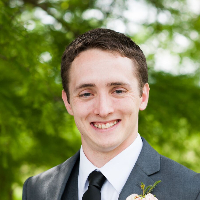
Brandon Thoma
Clear guidance to build daily coping skills
- Credentials
- LPC
- Experience
- 8 years
- Licensed in
- Missouri
- Languages
- English
- Format
- Online sessions
About Brandon
Brandon Thoma is a licensed professional counselor (LPC) practicing in Missouri. He builds therapy around each person’s needs and focuses on helping clients move toward greater life fulfillment. He aims to challenge unhelpful thoughts and habits while teaching practical tools that can be used day to day.
Brandon uses a person-centered stance, which means he listens first and follows where the client wants to go. He also draws on cognitive behavioral techniques to address negative thinking and on mindfulness to help people stay present and calm.
Background and approach
These approaches are blended to fit whatever issue the client brings. Sessions often include clear, usable skills for managing stress, anxiety, and mood challenges. He encourages a growth mindset and works to build confidence in handling life’s hurdles.
Conversations are direct but supportive, with attention to what will work in real life. Brandon has eight years of experience as a licensed professional counselor. His background includes work with addiction, trauma, relationship struggles, parenting concerns, grief, and other common life problems.
He trained at Missouri Baptist University for his master’s degree and holds a bachelor’s in psychology. Therapy with Brandon typically focuses on real goals and practical steps. Parents reading this will find language that is straightforward and centered on usable strategies.
If someone wants a counselor who mixes listening with hands-on tools, his approach may be a good fit.
Approach in Online Sessions and What to Expect
Brandon blends person-centered listening with cognitive behavioral techniques in online work. Person-centered therapy means the session starts by following what matters most to the client and creating space to speak without judgment. Cognitive behavioral therapy (CBT) focuses on identifying unhelpful thinking patterns and practicing concrete skills to change them, which is useful for anxiety, depression, and stress.He also uses mindfulness practices to help people notice thoughts and bodily reactions without getting swept up in them. These practices can reduce reactivity and make daily problems easier to handle. Together these approaches are used flexibly to match the client’s goals rather than forcing a single method.
Finding the right approach is a collaborative process. The therapist will discuss options, try techniques in session, and adjust based on how helpful they feel. Clients and the therapist work together to pick strategies that fit the client’s life, pace, and needs.
Online therapy supports multiple formats including video calls, phone sessions, live chat, and text-based messaging for ongoing work. This variety makes it easier to fit sessions around busy schedules, manage short check-ins between appointments, and continue therapy when in-person visits are not practical. Licensed professionals can use these formats to teach skills, coach through crises, and track progress over time.
Client-Centered Therapy
The direction comes from you rather than from a set programme. The therapist offers a warm, non-judgemental space to think out loud and work at your own pace. Online, this rests on the relationship rather than on being in the same room.
Cognitive Behavioral Therapy (CBT)
CBT looks at the link between what you think, how you feel, and what you do. You work on noticing unhelpful patterns and practising steadier responses. It suits online sessions well, because much of the work happens between appointments and can be talked through from anywhere.
Mindfulness Therapy
Attention training: noticing thoughts and physical feelings as they arrive without being carried off by them. Much of it is practice you do yourself, so guidance over video or audio works much as it would in person.
Frequently asked questions
What concerns does Brandon address?
What is his general therapeutic style?
How long has he been practicing?
What are his credentials and where is he based?
Which languages are offered for sessions?
Can people outside the country work with him?
What session formats are available?
How does pricing and getting started work?
Specialties and expertise
Top specialties
- Stress, Anxiety
- Relationship issues
- Anger management
Also works with
- Abandonment
- Addictions
- ADHD
- Attachment issues
- Bipolar disorder
- Body image
- Career difficulties
- Caregiver issues and stress
- Coaching
- Communication problems
- Compassion fatigue
- Control issues
- Coping with life changes
- Depression
- Drug and alcohol addiction
- Eating and food-related issues
- Eating disorders
- Emptiness
- Family conflicts
- Family problems
- Fatherhood issues
- First responder issues
- Forgiveness
- Grief
- Guilt and shame
- Impulsivity
- Infidelity
- Intimacy-related issues
- Jealousy
- Life purpose
- Men's issues
- Midlife crisis
- Money and financial issues
- Mood disorders
- Panic disorder and panic attacks
- Parenting issues
- Post-traumatic stress
- Process addiction (porn, exercise, gambling)
- Seasonal Affective Disorder (SAD)
- Self esteem
- Self-harm
- Self-love
- Sexuality
- Social anxiety and phobia
- Trauma and abuse
- Veteran and Armed Forces Issues
- Workplace issues
Therapeutic approaches
- Experience
- 8 years
- Licensed
- Missouri
- Languages
- English
Next step
Talk to Brandon
- Takes a few minutes
- Nothing to set up just to look
- Stop at any point