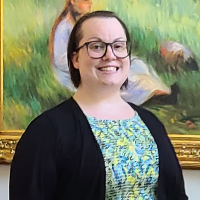
Abigail Thurlow
Calm, direct counseling with practical tools
- Credentials
- LPC
- Experience
- 13 years
- Licensed in
- Connecticut
- Languages
- English
- Format
- Online sessions
About Abigail
Abigail Thurlow is a Licensed Professional Counselor practicing in Connecticut with 13 years of experience. She has worked in medication assisted treatment for substance use and in independent practice, and brings a direct but warm manner to sessions. Abigail listens without judgment and aims to make beginning therapy feel manageable for someone taking that first step.
She has a long history working in behavioral health settings, including time in group homes and work with individuals transitioning from correctional settings.
Background and approach
That background informs a practical approach to problems like anxiety, depression, addiction, and trauma. Abigail also has focused experience with aging and cancer-related concerns, and caregiver stress. In session she combines several methods to suit each person.
Cognitive Behavioral Therapy, Dialectical Behavior Therapy, mindfulness techniques, motivational interviewing, and client-centered work are commonly used. She explains tools plainly and practices them together with the person in session so they feel usable between meetings. Clients can expect a straightforward, empathetic clinician who values the relationship as central to progress.
Abigail balances support with clear skills-based strategies. She aims to help people manage stress, improve mood, and handle life changes in practical ways. Overall, her style is approachable and focused.
Sessions typically move between short-term coping strategies and longer-term skill building, based on the issues presented and what the client wants to achieve.
Practical therapy methods for online care
Abigail often uses Cognitive Behavioral Therapy, which involves identifying unhelpful thinking patterns and testing new behaviors to reduce symptoms like anxiety and depression. CBT focuses on small, specific skills that people can practice between sessions to see real changes.She also uses Dialectical Behavior Therapy skills to help with emotion regulation, stress tolerance, and improving relationships. DBT mixes skill teaching and coaching in the moment to manage intense feelings and reactions.
Finding the right approach is a shared process. The therapist will talk with the client about goals, try strategies, and adjust the plan as needed so it fits the person’s life and preferences. That collaborative setup helps match methods to the issues at hand.
Online sessions are offered via video calls, phone, live chat, or text-based messaging to make therapy more flexible. These formats let people fit sessions around work, caregiving, and other commitments and provide multiple ways to practice skills and check in between meetings. Licensed professionals can use these options to keep therapy consistent and convenient while working toward the client’s goals.
Client-Centered Therapy
The direction comes from you rather than from a set programme. The therapist offers a warm, non-judgemental space to think out loud and work at your own pace. Online, this rests on the relationship rather than on being in the same room.
Cognitive Behavioral Therapy (CBT)
CBT looks at the link between what you think, how you feel, and what you do. You work on noticing unhelpful patterns and practising steadier responses. It suits online sessions well, because much of the work happens between appointments and can be talked through from anywhere.
Dialectical Behavior Therapy (DBT)
Concrete skills for riding out strong emotion, tolerating distress, and handling relationships without things escalating. The skills are practised in daily life, so between-session support by message or phone fits naturally.
Frequently asked questions
What kinds of problems does she address?
How would you describe her therapy style?
What is her professional background?
What are her credentials and where does she practice?
Which languages are supported for sessions?
What session formats are available?
How are fees and payments handled?
What is the easiest way to begin working together?
Specialties and expertise
Top specialties
- Stress, Anxiety
- Addictions
- Anger management
Also works with
- ADHD
- Aging and geriatric issues
- Bipolar disorder
- Cancer
- Career difficulties
- Caregiver issues and stress
- Co-morbidity
- Codependency
- Commitment issues
- Coping with life changes
- Depression
- Divorce and separation
- Drug and alcohol addiction
- Eating and food-related issues
- Eating disorders
- Family conflicts
- Forgiveness
- Grief
- Guilt and shame
- Intimacy-related issues
- Men's issues
- Mood disorders
- Panic disorder and panic attacks
- Post-traumatic stress
- Process addiction (porn, exercise, gambling)
- Relationship issues
- Seasonal Affective Disorder (SAD)
- Self esteem
- Self-love
- Sleeping disorders
- Social anxiety and phobia
- Trauma and abuse
- Women's issues
- Young adult issues
Therapeutic approaches
- Experience
- 13 years
- Licensed
- Connecticut
- Languages
- English
Next step
Talk to Abigail
- Takes a few minutes
- Nothing to set up just to look
- Stop at any point