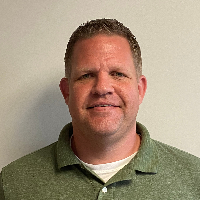
William "Bill" Blundell
Compassionate counselor with practical tools
- Credentials
- LCPC
- Experience
- 17 years
- Licensed in
- Illinois
- Languages
- English
- Format
- Online sessions
About William
William "Bill" Blundell is a Licensed Clinical Professional Counselor (LCPC) practicing in Illinois with 17 years of experience. He has worked as an adjunct professor teaching substance abuse, grief and loss, and human growth and development. He also has professional experience in probation and continues to consult and teach while offering counseling services.
Bill aims to provide an open, nonjudgmental space where people can talk about what matters to them.
Background and approach
Bill describes a relaxed, down-to-earth style. He uses humor when appropriate and meets people where they are emotionally. He prefers a collaborative approach rather than telling clients what to do.
His goal is to help clients make the changes they want and support progress over time. His practice addresses a wide range of concerns, including stress, anxiety, depression, grief, anger, addictions, trauma and abuse, sleep and eating issues, parenting, relationship concerns, self-esteem, career questions, bipolar disorder, compassion fatigue, and attention-deficit issues.
He has also focused extra time on understanding obsessive-compulsive disorder and related challenges. Bill draws on evidence-based methods such as Acceptance and Commitment Therapy (ACT), Cognitive Behavioral Therapy (CBT), Dialectical Behavior Therapy (DBT), Mindfulness Therapy, and Motivational Interviewing. He adapts these methods to each person’s goals and situation.
In sessions he listens first, then helps plan practical steps forward. He emphasizes respect for each person’s identity and background. Whether someone is exploring life changes or coping with a painful loss, he aims to offer steady support and practical strategies.
Prospective clients can expect straightforward communication and a focus on attainable progress.
Therapeutic approaches and online care
Acceptance and Commitment Therapy, or ACT, helps people notice thoughts and feelings without being driven by them and choose actions that match their values. It can be useful for stress, anxiety, grief, and life changes. Cognitive Behavioral Therapy, CBT, focuses on identifying unhelpful thoughts and testing them with real-world experiments to change feelings and behaviors. It is often used for anxiety, depression, and sleep or eating concerns. Dialectical Behavior Therapy, DBT, teaches skills for emotion regulation, distress tolerance, and clearer communication when emotions run high, which can help with anger, relationship difficulties, and compassion fatigue.Finding the right approach is part of the process. The therapist will work together with the client to decide which methods fit best based on needs, goals, and preferences. Sessions can combine techniques and shift over time as progress is made and priorities change.
Online therapy offers flexible options like video calls, phone sessions, live chat, or text-based messaging. These formats make it easier to fit sessions into busy schedules and to follow up between meetings. For people balancing work, family, or other responsibilities, remote sessions can help keep momentum and make ongoing support more accessible.
Acceptance and Commitment Therapy (ACT)
Less about arguing with difficult thoughts, more about loosening their grip and acting on what matters to you anyway. Values and committed action carry the work, which suits conversation at a distance.
Cognitive Behavioral Therapy (CBT)
CBT looks at the link between what you think, how you feel, and what you do. You work on noticing unhelpful patterns and practising steadier responses. It suits online sessions well, because much of the work happens between appointments and can be talked through from anywhere.
Dialectical Behavior Therapy (DBT)
Concrete skills for riding out strong emotion, tolerating distress, and handling relationships without things escalating. The skills are practised in daily life, so between-session support by message or phone fits naturally.
Frequently asked questions
What types of problems does he help with?
What is his therapeutic style like?
How long has he been practicing?
What are his credentials and where is he based?
Which languages are sessions offered in?
What session formats are available?
How does payment and cost work?
How do I begin working with him?
Specialties and expertise
Top specialties
- Stress, Anxiety
- Grief
- Anger management
Also works with
- Addictions
- ADHD
- Adoption and foster care
- Antisocial personality
- Attachment issues
- Autism and Asperger Syndrome
- BDSM, kink, and alternative sex culture
- Bipolar disorder
- Body image
- Career difficulties
- Codependency
- Commitment issues
- Communication problems
- Compassion fatigue
- Coping with life changes
- Depression
- Dissociation
- Divorce and separation
- Domestic violence
- Drug and alcohol addiction
- Eating and food-related issues
- Eating disorders
- Family conflicts
- Family problems
- First responder issues
- Gender dysphoria
- Hoarding
- Impulsivity
- Infidelity
- Intimacy-related issues
- LGBT
- Men's issues
- Midlife crisis
- Mood disorders
- Narcissism
- Obsessions, compulsions, and OCD
- Panic disorder and panic attacks
- Paranoia
- Parenting issues
- Process addiction (porn, exercise, gambling)
- Relationship issues
- Seasonal Affective Disorder (SAD)
- Self esteem
- Self-harm
- Sexuality
- Sleeping disorders
- Social anxiety and phobia
- Trauma and abuse
- Trichotillomania
- Workplace issues
- Young adult issues
Therapeutic approaches
- Experience
- 17 years
- Licensed
- Illinois
- Languages
- English
Next step
Talk to William
- Takes a few minutes
- Nothing to set up just to look
- Stop at any point